
Last updated November 15, 2026
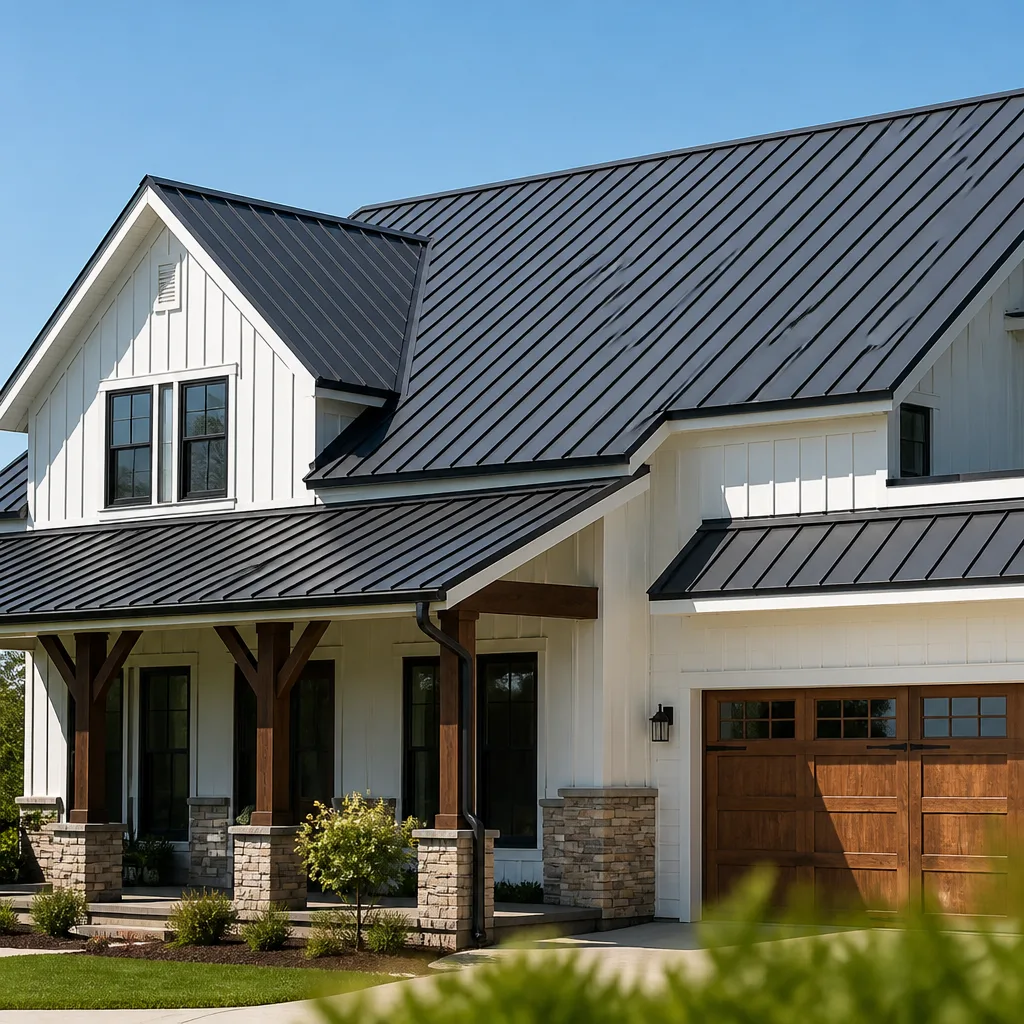 Metal roofing
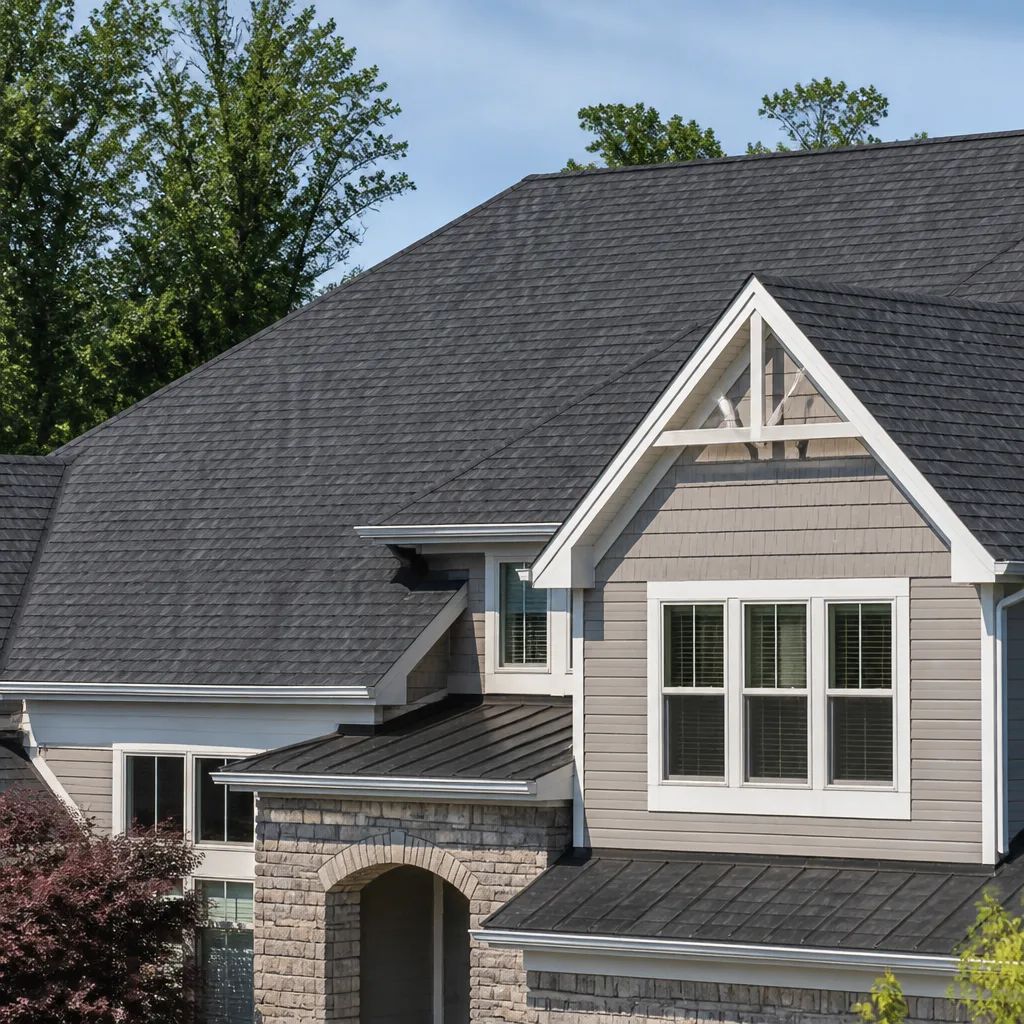 Architectural shingles
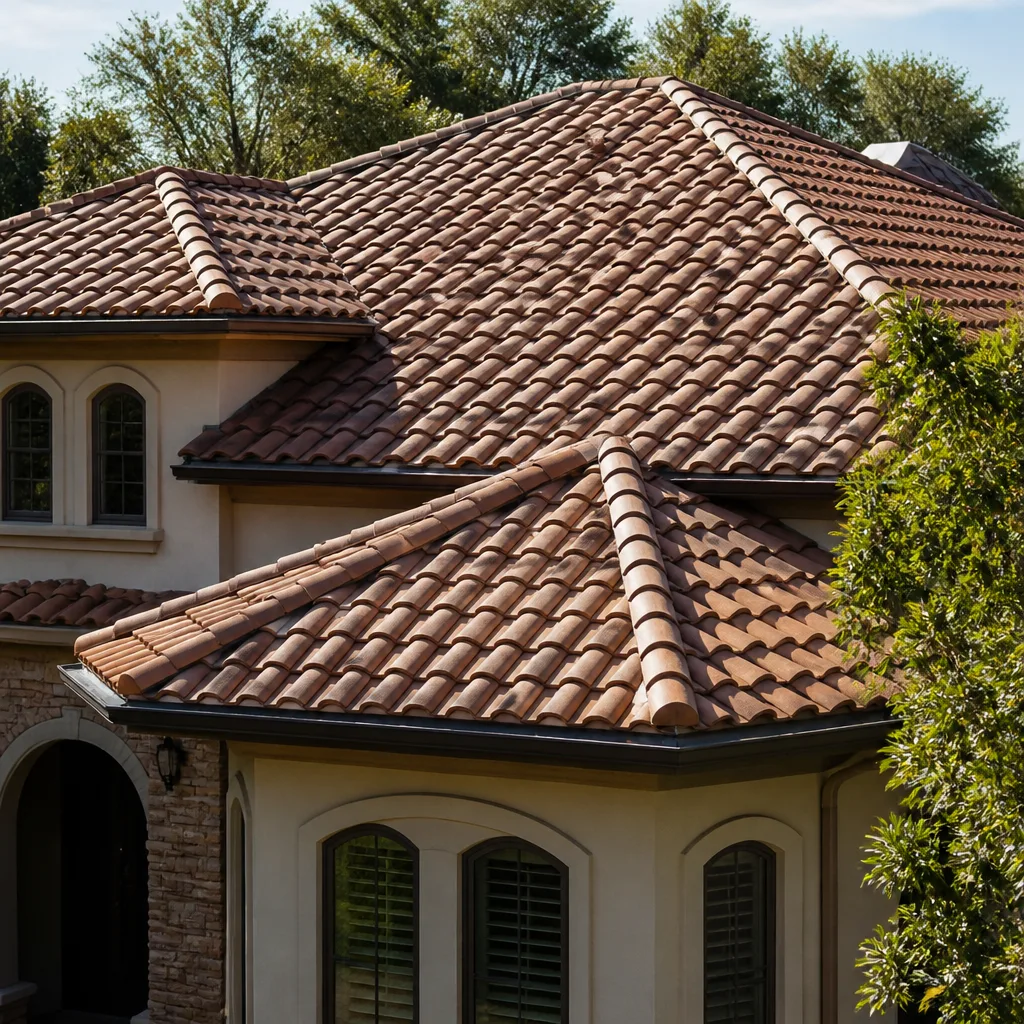 Tile roofing
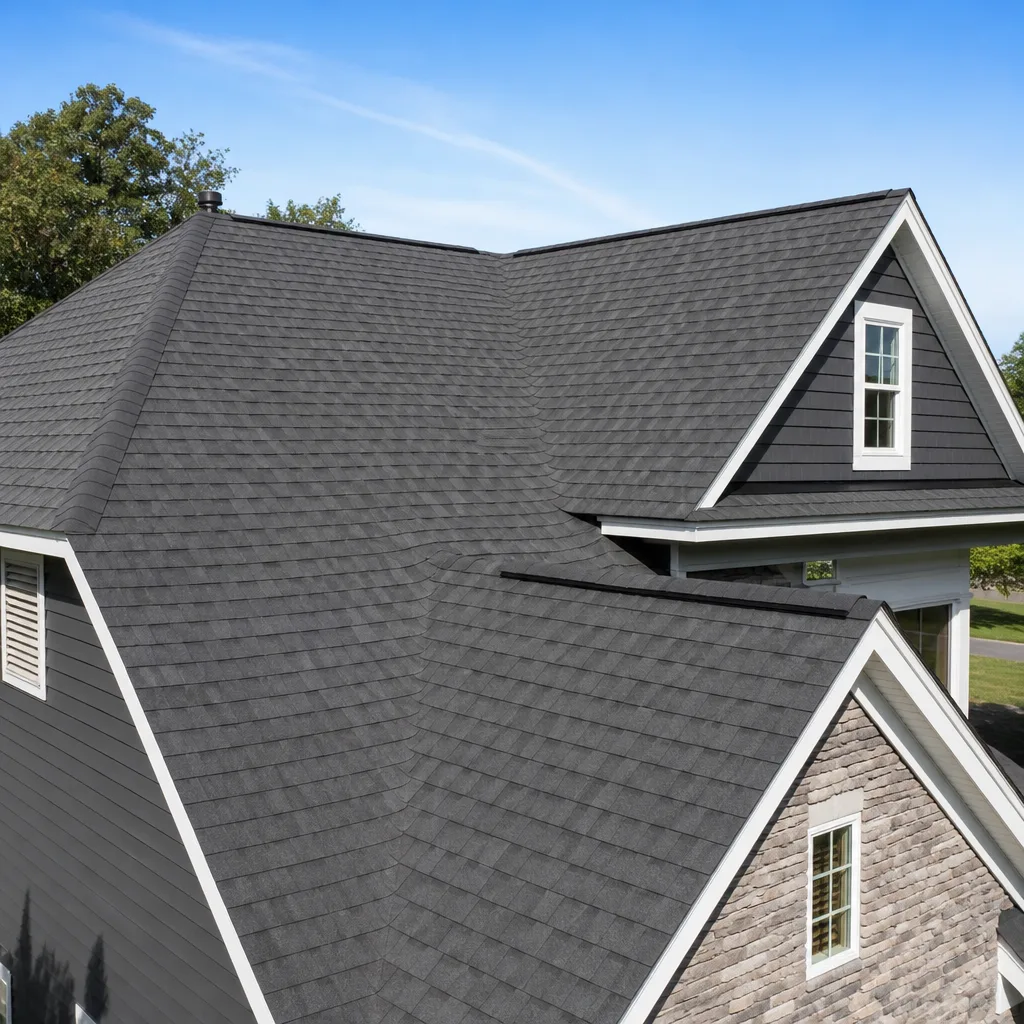 GAF
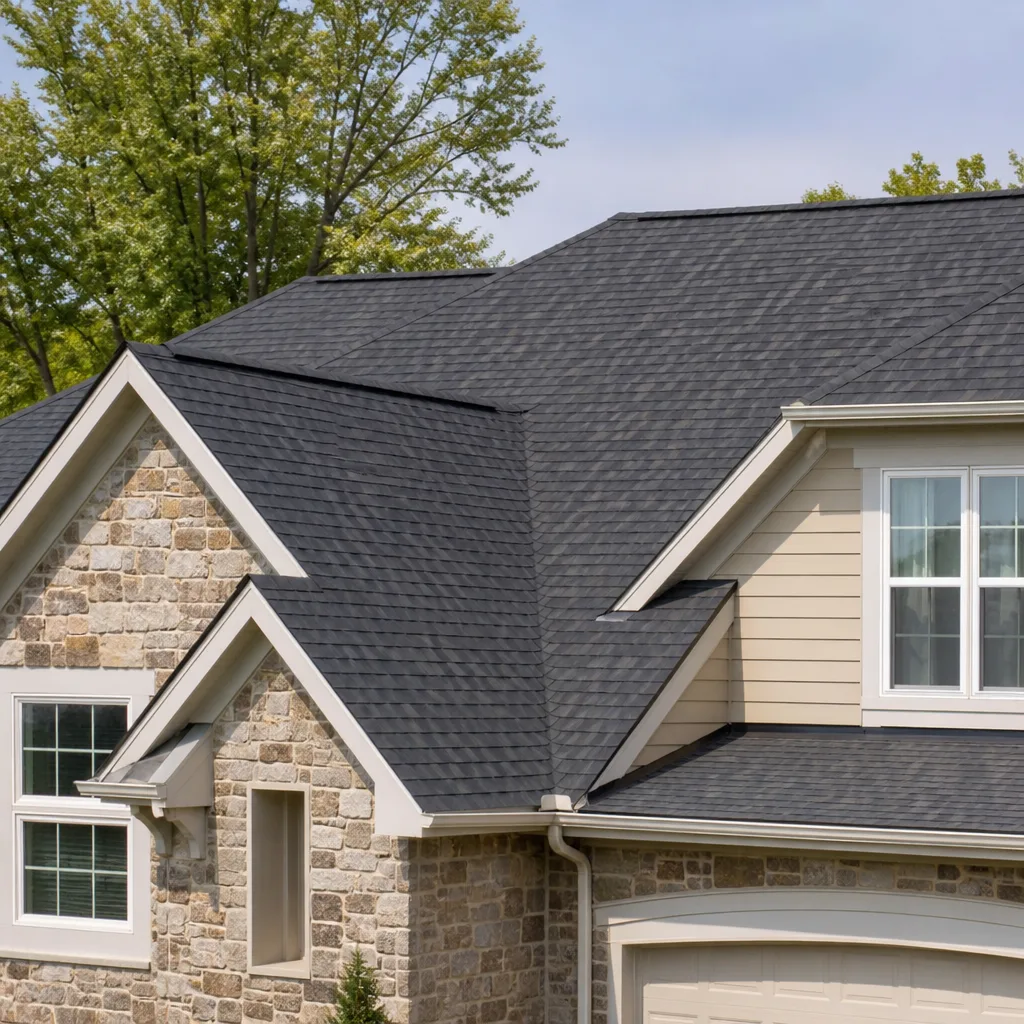 Owens Corning
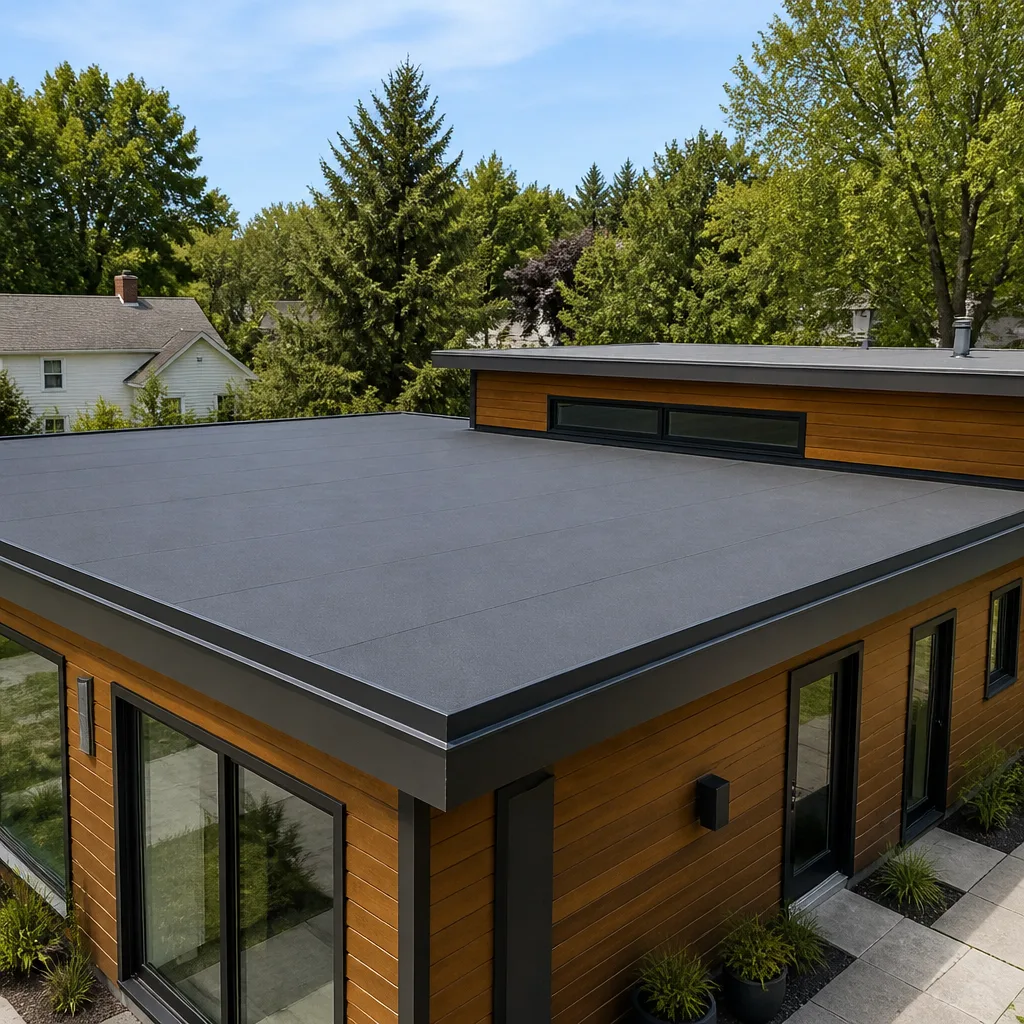 Flat & low-slope
Free roof inspection with deck photos before we talk money - GAF and Owens Corning certified installation
DIY vs Professional Roofing: The Sunnyvale Homeowner’s Decision Guide
Most DIY roofing guides skip the part that matters most. In Sunnyvale, a homeowner can legally pull a roofing permit for their primary residence, and that single fact changes the whole calculus. The moment you pull that permit, you personally sign on for code compliance, inspection sign-off, and liability for anything that goes wrong up there. No contractor’s license stands between you and the consequences. This guide walks through what California actually allows, how a DIY roof affects your homeowner’s insurance, which jobs are realistic for a careful homeowner and which ones are not, and what a failed attempt really costs to fix in a labor market as expensive as ours. By the end, you’ll know where to draw the line.
Quick Answer
Most Sunnyvale homeowners should hire a licensed roofing contractor for anything beyond a small patch or minor flashing fix. Homeowners can legally pull their own permit for a primary residence, but doing so transfers all code compliance and damage liability to you personally, and many insurers treat owner-installed roofing differently when a water damage claim comes in. Small repairs on a one-story pitched roof are a reasonable DIY scope; replacement, flat roofs, and anything on a two-story home are not.
Styles & brands we work with
- Architectural shingles
- Metal roofing
- Tile roofing
- GAF
- Owens Corning
- Flat & low-slope
Table of Contents
- What California law actually allows a homeowner to do
- The permit and liability question
- The insurance gap most DIY guides ignore
- A scope-based decision matrix
- The real cost of a DIY attempt that needs remediation
- Flat roofs vs pitched roofs in Sunnyvale
- What you can legitimately do alongside a professional
- Choosing materials without getting locked into one brand
What California Law Actually Allows a Homeowner to Do
California gives homeowners a real but narrow lane to work on their own home. You can perform roofing work on a single-family residence you own and occupy, and you can pull the permit for it yourself. That’s the legal permission. It is not the same as saying the work is easy, safe, or a good idea.
What the law does not do is let you act as a contractor generally. You can’t do this work for a neighbor, for a rental you own but don’t live in, or for compensation. Those situations cross into contracting that requires a license, and roofing specifically falls under the C-39 Roofing classification. If someone offers to do your roof cheaply and can’t show a C-39 license, that’s your cue to walk away.
Here’s the practical divide we see homeowners run into:
- Legally yours to do: minor patch repairs, replacing a few cracked shingles, sealing a small flashing gap, clearing debris from valleys and gutters.
- Legally yours but risky: pulling a permit for a full reroof on your primary residence, replacing a section of underlayment, resetting a vent boot.
- Requires a licensed C-39 contractor: structural work, anything affecting the load path, and any job where you’re hiring someone else to do it. If you pay someone to roof your house and they lack the license, you’re the one exposed.
The permit itself is straightforward to pull in most California jurisdictions. The hard part is what comes after: the inspection, the corrections, and the fact that a failed inspection sits on your record, not a contractor’s.
The Permit and Liability Question Nobody Explains
This is the part most DIY guides leave out entirely. When you pull your own roofing permit in Sunnyvale, you become the responsible party for code compliance. That means the building inspector is evaluating your work against current code, and if it fails, you’re the one who schedules the re-inspection and makes the corrections. There’s no contractor on the hook to fix it.
The liability piece goes further. If your roof leaks after you install it and damages interior finishes, the drywall, insulation, or flooring beneath it, you absorbed that risk the moment you took on the work yourself. A licensed contractor carries insurance and a bond for exactly this reason. A homeowner working on their own roof carries neither, because your homeowner’s policy isn’t a substitute for contractor liability coverage.
There’s a second layer that surprises people. Even a repair you’re confident about can trigger permit questions if it changes the roof’s assembly, adds a skylight, or alters the drainage path. Sunnyvale’s housing stock includes a lot of older single-story ranch homes, many with original or long-since-replaced roofs, and pulling a permit can bring an older roof deck into current code review. A contractor who does this work routinely knows what the inspector will flag before the inspection happens. A homeowner usually finds out after.
If you’re going to work on your own roof, our honest advice is to start with a roof inspection before you buy a single bundle of shingles. Knowing what’s actually up there changes what’s worth doing yourself. Our technicians have up to 9 years of experience reading exactly these conditions.
The Insurance Gap: How a DIY Roof Affects Your Coverage
Here’s the scenario worth understanding clearly. You install shingles or patch a section yourself, and a season later water gets in and stains the ceiling in a bedroom. You file a claim. The insurer asks who did the roof work and whether it was permitted and inspected. Those answers matter.
Most homeowner policies cover sudden and accidental water damage. But they also contain exclusions for faulty workmanship, and an adjuster can treat owner-installed roofing as workmanship the policy doesn’t back. The result isn’t always a denial, but it can be a much harder claim, or a partial payment that leaves you covering the interior repair yourself. That’s the gap: your policy is built to protect you from events, not from your own installation mistakes.
What to check before you decide:
- Read the exclusions section of your policy for faulty workmanship and for damage caused by work you performed.
- Call your agent and ask directly whether owner-installed roofing affects how a future water damage claim would be handled. Get the answer before you start, not after.
- Ask whether a permitted, inspected roof changes anything. A passed inspection is a documented standard, and documentation helps in a claim.
- Confirm what your coverage does for the interior. Finished ceilings, insulation, and drywall are often where the real repair cost lives.
None of this means a DIY roof automatically voids coverage. It means the claim conversation gets harder, and in a market where interior water damage repairs run high, that’s a real number. For a large or complex job, that risk usually tips the decision toward hiring out. You can read more about how we approach roof repair when a leak has already started.
A Scope-Based Decision Matrix
Rather than argue DIY versus pro in the abstract, it helps to map the job to the risk. Here’s the matrix we’d use if a friend asked us over coffee.
Repairs under roughly 100 square feet
Small areas are the reasonable DIY zone. A handful of damaged shingles, a vent boot replacement, sealing a flashing gap around a chimney or skylight. The work is contained, the failure mode is a leak you can see, and if you’re careful the downside is limited. On a one-story pitched roof, with proper footwear and a spotter, this is doable for a handy homeowner.
Repairs between 100 and 400 square feet
This is where it gets murky. Larger repairs mean opening up underlayment, matching shingle profiles on a roof that may be a discontinued line, and getting the water-shedding details right at transitions. A pro has the material options to match what’s there. That’s one reason we maintain breadth across manufacturers like Owens Corning, IKO, Atlas, and Tamko: matching an existing roof matters more than selling a new one.
Full replacement
Not a DIY job in Sunnyvale. Replacement involves tear-off, deck inspection, underlayment, flashing, ventilation, and a permit with inspections. It’s a crew operation with height risk on every load. This is squarely professional territory.
Flat roof vs pitched roof
- Pitched roof, one story: the most DIY-friendly configuration. Shingle work is accessible and the details are familiar.
- Pitched roof, two stories: the fall risk and the difficulty of staging materials push this toward a pro even for small jobs.
- Flat or low-slope roof: membrane systems like TPO or modified bitumen need seam and termination details that fail quietly when done wrong. Not a homeowner job. If you have a flat section, we handle both pitched and low-slope work through roof replacement.
The Real Cost of a DIY Attempt That Needs Remediation
Roofing labor in California’s high-cost markets is expensive, and that’s the factor that changes the math on a failed DIY attempt. When a homeowner has to call in a professional to correct their own work, they pay the labor twice: once for materials and their own time, then again for the tear-off, correction, and reinstall. There’s no partial credit. Correcting a bad installation often means removing material that was bought and paid for.
Here’s the fuller picture of what a remediation bill includes:
- Tear-off of the failed work. Materials you purchased come off and go in a dumpster. You pay for disposal.
- Deck repair if water got in during the period the roof was compromised.
- Interior repair for ceiling, insulation, or drywall damage, which is often the largest line item.
- The correction itself at current California labor rates, not the rates at the time of your original attempt.
- Matching materials for a repair on a partial roof, which can cost more than installing a full section.
The counterintuitive point: for small, contained repairs, DIY can genuinely save you money. For anything that touches the roof’s main water-shedding assembly, the downside risk dwarfs the labor savings. That’s the decision frame, not “can I do it,” but “what does it cost me if I have to call someone anyway.”
If you’re already in the middle of a remediation, our roof repair work starts with understanding exactly what’s there before anything gets torn off. Our technicians have up to 9 years of experience, and we’re glad to do a free estimate with a written line-item quote so you know the correction cost before you commit.
Flat Roofs vs Pitched Roofs: Why Sunnyvale’s Housing Stock Matters
Sunnyvale has a mix of roof types that affects the DIY question in a way that generic guides miss. A lot of the city’s older single-family homes have pitched composition shingle roofs, often hipped or gabled, and those are the most forgiving to work on. But there are also plenty of mid-century and contemporary homes with flat or low-slope sections, plus additions and garages where the roof transitions between the two.
That transition is where flat-roof DIY goes wrong most often. Where a low-slope membrane meets a pitched shingle field, the flashing details are fussy, and a small error becomes a persistent leak. Membrane seams on a flat roof are the other trouble spot. A seam that isn’t properly fused fails quietly, often years later, and by then the deck beneath it is soft.
Sunnyvale’s climate is, in a word, mild. Winters here are rainy but not brutal, and the dry season is long. That gentleness works against careless DIY in a specific way: a poorly detailed roof may look fine for a season or two because the sun bakes the small mistakes into the material and the rain doesn’t test them as hard as it would in a wetter region. The damage accumulates slowly, and that’s harder to catch. A professional inspection catches it because the eye is trained to look at the water path, not the shingle face.
For pitched roofs in Sunnyvale, the practical advice is that shingle replacement of small areas is doable, but the roof’s flashings, valleys, and vent terminations are where the real difficulty lives. Those are the details we check first. If you’re unsure of your roof’s configuration, a standalone inspection answers it without any obligation. We serve homeowners across Sunnyvale and treat the inspection as its own service, because diagnosis comes before any decision.
What You Can Legitimately Do Alongside a Professional
Hiring a pro doesn’t mean you sit inside with your hands in your pockets. There’s real value in staying involved, and none of it puts code liability or safety on you. Here’s the division of labor that works.
- Material selection. This is the homeowner’s decision, and it should be. We work with seven leading roofing brands so the material fits your home, not our supply order. You can weigh Owens Corning’s shingle lines against a value-tier option from IKO or Tamko, and we’ll tell you honestly where the difference shows up over time.
- Documentation. Photograph the existing roof before work starts, keep the permit paperwork, and file the inspection records. A documented, inspected roof helps you when you sell and helps you in an insurance claim years later. You can do this entirely yourself and it costs nothing but a phone call.
- Staging and access. Moving vehicles, clearing the driveway, keeping pets and kids away from the work area, and letting the crew know about sprinkler heads or a low fence. Small things, but they keep the job moving.
- Color and profile selection. Pick the shingle profile and color yourself, with guidance. It’s your house, and this is a decision you’ll look at for two decades.
- Budget conversations. Tell us what you’re working with. Brand breadth across both premium and value-tier manufacturers means there’s a solution at most budgets without dropping the installation standard.
The line is this: personal involvement in decisions, not personal involvement in installation. The moment your hands are on the roof in a way that affects code compliance, you’ve crossed into the risk you’re trying to avoid.
Choosing Materials Without Getting Locked Into One Brand
A contractor locked into a single manufacturer has one answer for every roof. That’s a problem for the homeowner, because the right material depends on your roof’s pitch, its structure, the existing assembly, and your budget. This is where a multi-brand approach makes a practical difference.
Here’s how we think about matching material to the job:
- Long-run value on a straightforward pitched roof: premium lines from GAF, CertainTeed, or Owens Corning are built for longevity and carry manufacturer warranties worth understanding.
- Budget-conscious replacement: value-tier manufacturers like IKO, Atlas, or Tamko offer solid protection at a lower price point, and the installation details are what matter more than the badge on the bundle.
- Specialty and tile-like profiles: Boral covers products where you want a different look, and we can talk through whether that fit makes sense for your home.
Before choosing any material, ask what warranty applies and what the eligibility requirements are. Manufacturer warranties have conditions, some tied to installation practices and ventilation. We’ll tell you what’s available without promising a specific tier we haven’t confirmed for your job. That’s a conversation to have at the estimate, not after the shingles are on.
For homeowners who value knowing exactly what’s going on their home and why, a short material comparison is worth an hour. The decision is yours, and it should be. You can learn more about how we approach the full project at Sunnyvale Roofer, where inspection, repair, and replacement all live under one roof so you never need a separate contractor to diagnose before fixing.
Common Mistakes to Avoid
- Pulling the permit without understanding the liability. Taking the permit transfers code compliance to you personally. Know that before you sign the application, because it’s the one step that’s hardest to undo.
- Assuming your homeowner’s policy covers your own workmanship. Ask your agent before you start, not after a claim. Most policies exclude faulty workmanship, and owner-installed roofing can complicate a water damage claim.
- Working on a two-story roof without fall protection. Height is the least forgiving part of this trade. A single mistake on a two-story pitched roof is far more dangerous in Sunnyvale than the same repair on a one-story ranch home.
- Matching shingles by eye. Older Sunnyvale homes often have roofs with discontinued shingle lines. What looks like a match in the sun may be a visibly different batch three months later. A pro can match by spec, or explain why the repair may need to be larger.
- Treating a flat roof like a pitched roof. Membrane seams and terminations need specific methods. A flat roof repair done with shingle techniques fails at the seams, and the failure often shows up years later.
- Skipping the inspection before a repair. Repairing a visible symptom without knowing the underlying condition is how a small leak becomes deck rot. Diagnosis comes first.
- Hiring an unlicensed roofer to save on a job you’re not doing yourself. If you’re paying someone else, the license matters. C-39 in California is the roofing classification, and hiring without it puts your coverage at risk.
See the difference
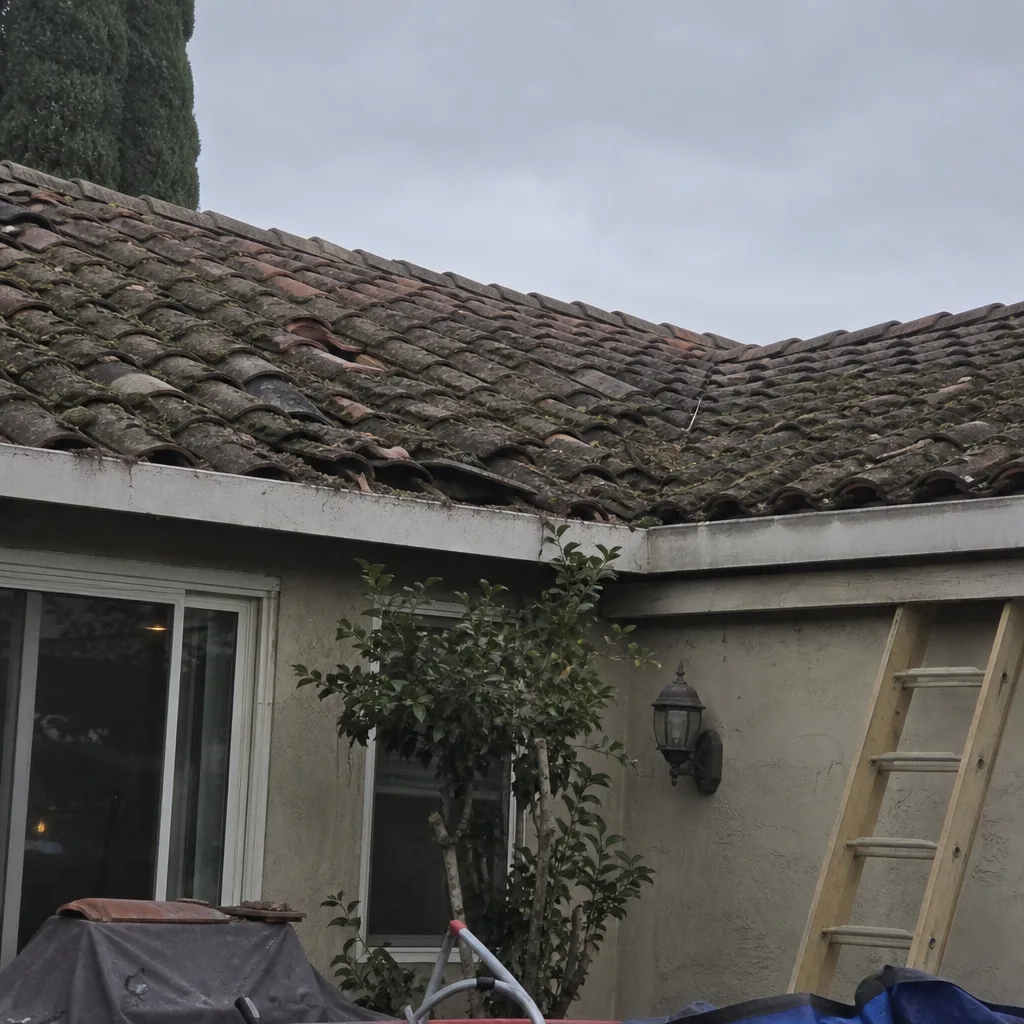 Before
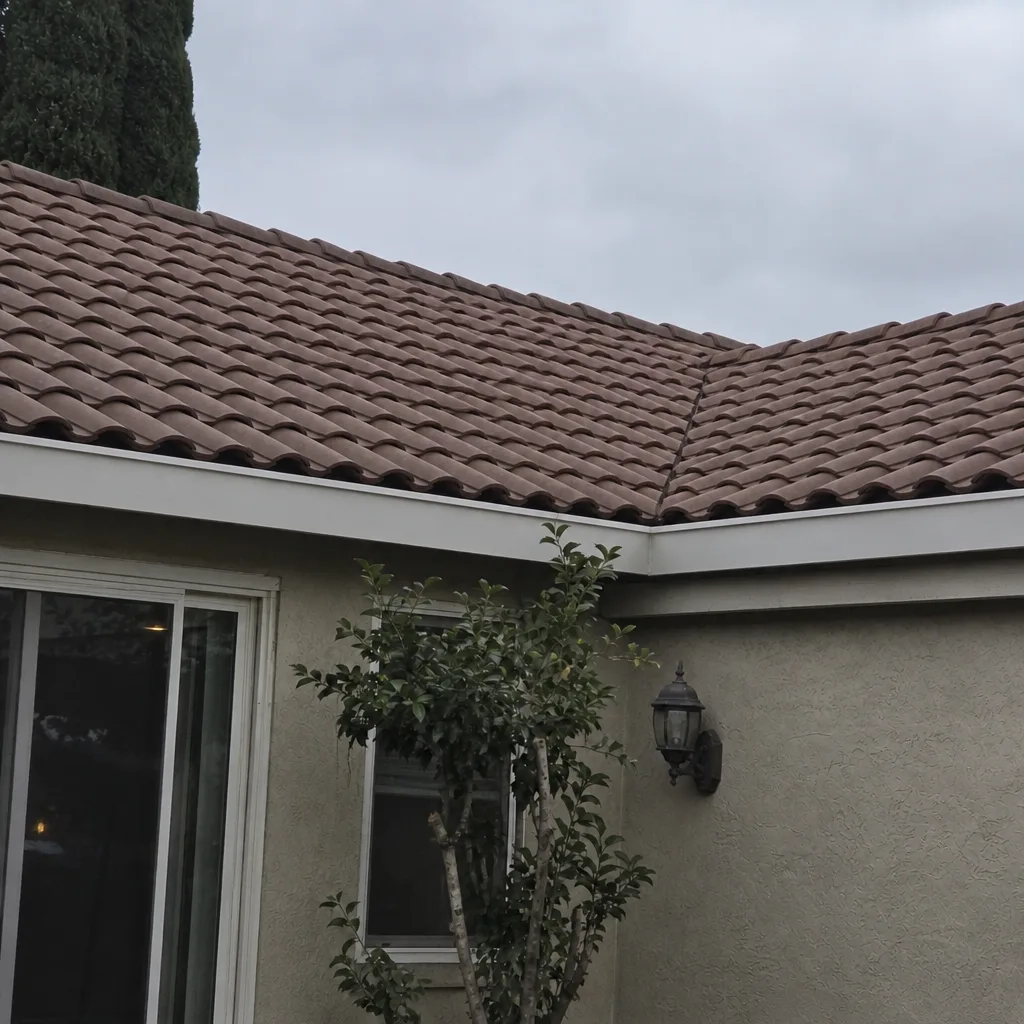 After
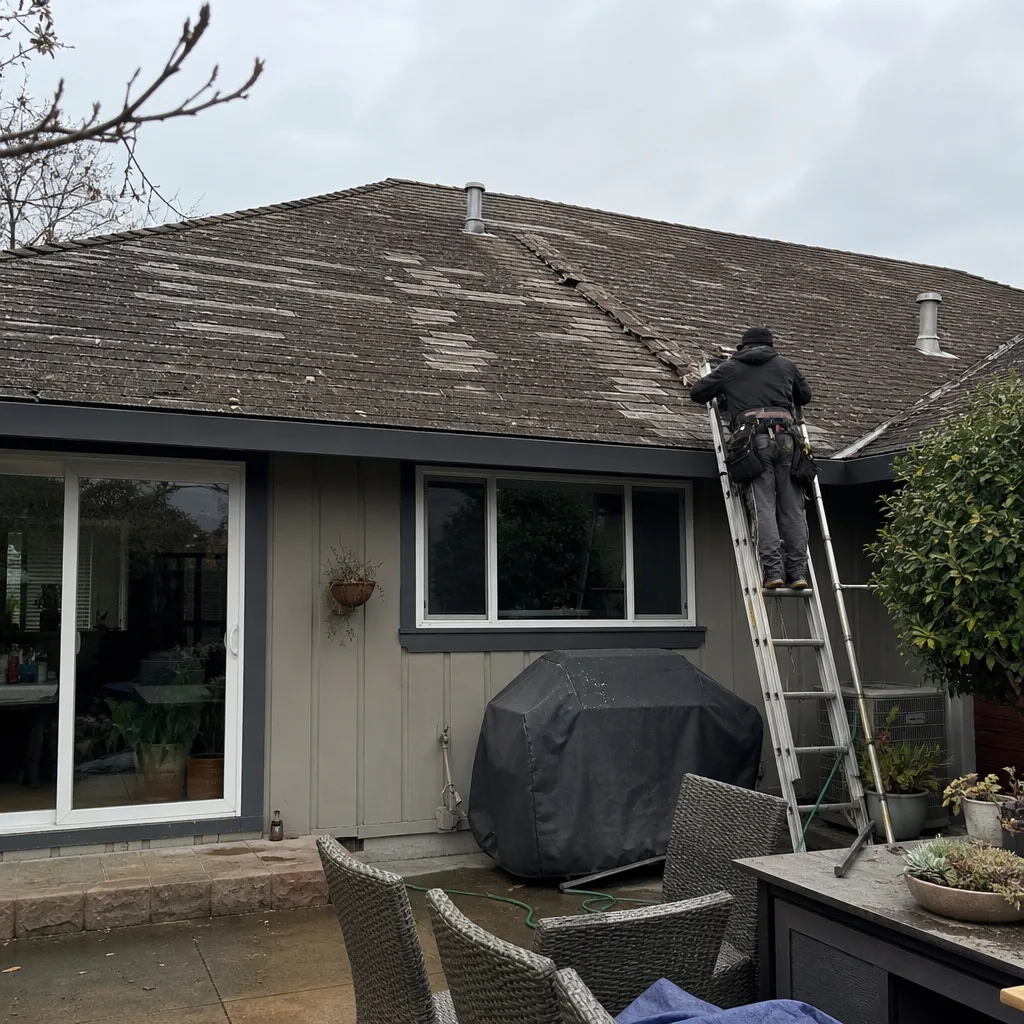 Before
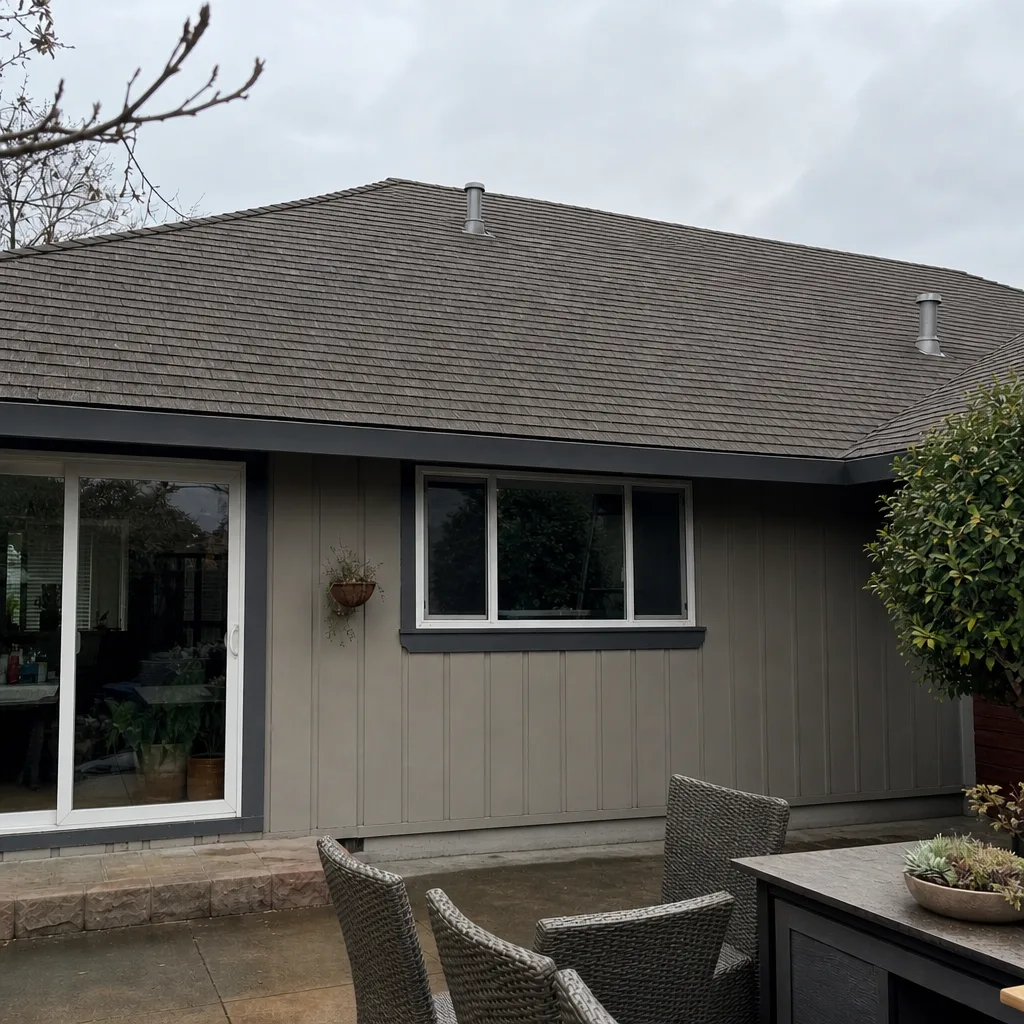 After
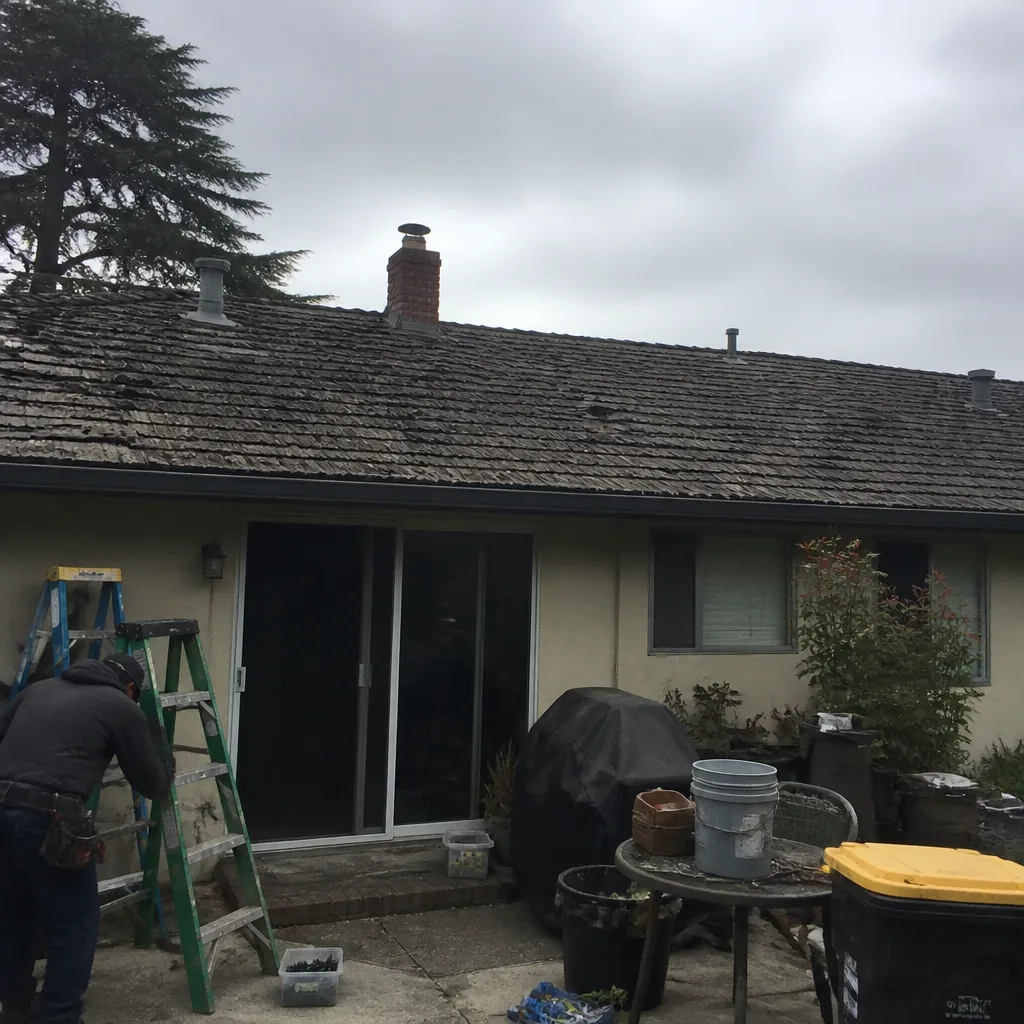 Before
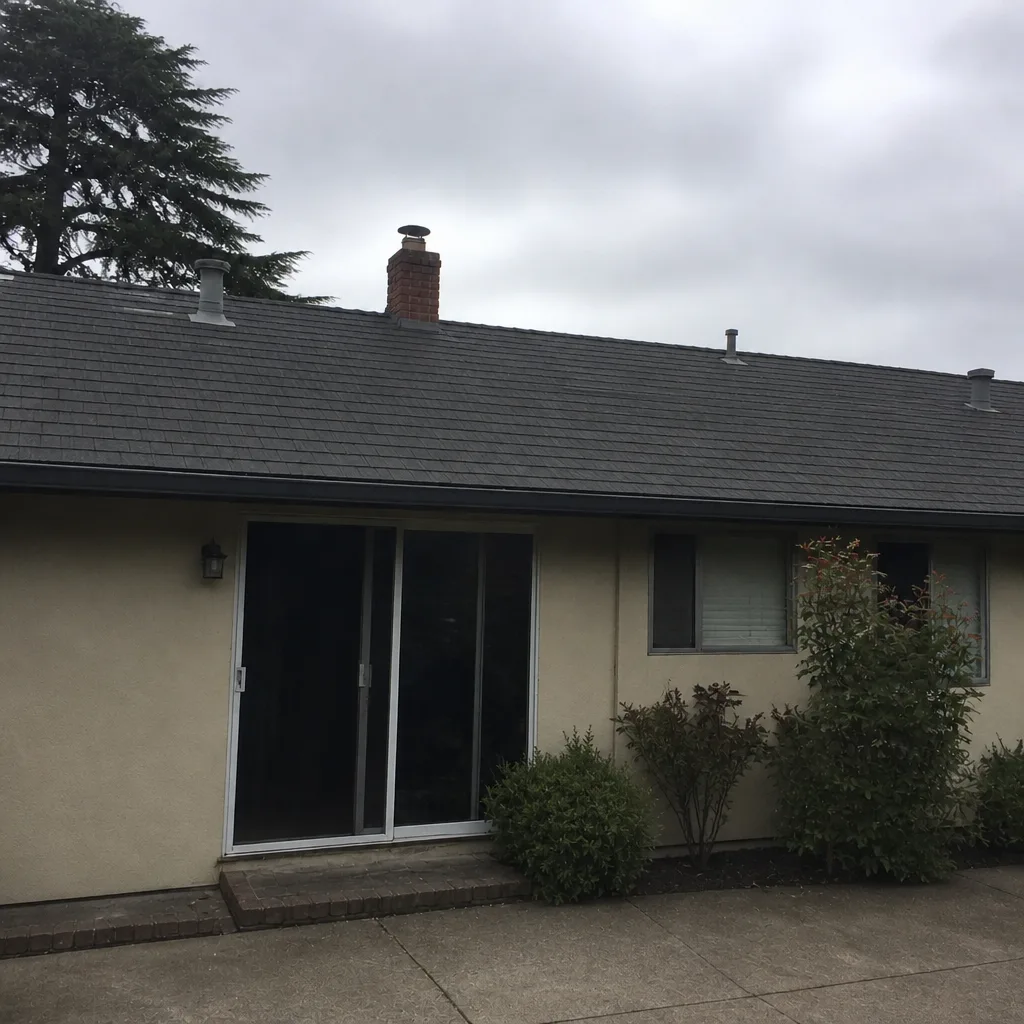 After
When to Call a Professional
Call a professional when the work involves replacement, when the roof is flat or low-slope, when it’s two stories up, when there’s structural damage, when water has already gotten in, or when a permit is involved and you’d rather not carry the liability. Call a professional if you’re unsure what you’re looking at, because uncertainty on a roof has a way of compounding. Also call when a repair requires matching discontinued materials, when the leak has resisted more than one patch, or when an insurance claim is involved. Repair when repair makes sense. Replace only when it’s time, and that’s a judgment best made after a proper inspection. Sunnyvale Roofer offers free estimates in Sunnyvale. Call (833) 349-3199. We answer 24/7. Fast dispatch from 7am to 7pm, Sunday through Friday.
Frequently Asked Questions
Yes, if it’s the single-family home you own and occupy, and you pull the permit yourself. What that permission doesn’t cover is doing the work for pay, for a rental, or for a neighbor, and it doesn’t come with any liability protection. The moment you pull the permit, code compliance and any resulting damage are on you. Call (833) 349-3199 for a free estimate if you’d rather the responsibility sit with an insured, licensed professional.
It can. Many policies exclude faulty workmanship, and an insurer handling a water damage claim may ask who installed the roofing and whether it was permitted and inspected. The coverage doesn’t disappear, but the claim can get harder or pay less. Check your exclusions and call your agent before starting. For a roof where the exposure is large, get a written estimate first. Call (833) 349-3199 to schedule one.
Small repairs on a pitched roof typically run lower than a full section replacement, and the exact figure depends on the scope, the materials, and whether the deck beneath is sound. California’s labor rates are among the highest in the country, so a repair in Sunnyvale costs more than the same repair in many other markets. The written line-item quote sets the final price. Call (833) 349-3199 for a free estimate on your specific roof.
A repair addresses a contained problem, like damaged shingles or a failed section of flashing, and a replacement removes the entire roof assembly and installs a new one. The decision hinges on the roof’s overall condition, its age, and whether the damage is isolated or widespread. A proper inspection tells you which one you’re facing. Call (833) 349-3199 to schedule an inspection with a written report before you spend anything on materials.
Yes. When we take on a job that requires a permit, we pull it as the licensed contractor, which means the code compliance and inspection responsibility sit with us, not you. That’s the main structural difference between hiring a pro and doing it yourself. It also means the inspection record and the work are documented together. Call (833) 349-3199 for a free estimate and we’ll walk through what your job requires.
Our estimate is written and line-item, and the price is set per job by that estimate. If we find something during tear-off that wasn’t visible at inspection, we stop and talk to you before doing more work, because deck damage and hidden conditions can affect the scope. Fixed pricing with no change orders on the scope we’ve quoted is how we run a job. Call (833) 349-3199 for an honest assessment and a clear quote.
The Bottom Line
The DIY question in Sunnyvale isn’t really about whether you’re handy enough. It’s about permits, liability, and insurance, and those three factors tilt the decision toward hiring out for anything beyond a small, contained repair. Small patch work on a one-story pitched roof is a reasonable project for a careful homeowner. Replacement, flat roofs, two-story work, structural issues, and anything with a permit is professional territory, and the cost of a failed attempt is higher here than in most of the country because California labor isn’t cheap. The smart move is a proper inspection first, then a clear decision about scope.
If you’d rather have an expert read your roof before you touch it, we’re happy to help. Our inspections are available as a standalone service, with no replacement required to get an honest assessment. We work with seven leading roofing brands so the material fits your home, not our supply order, and we recommend the right product for each roof rather than the easiest one to sell. Call (833) 349-3199. We answer 24/7. Fast dispatch from 7am to 7pm, Sunday through Friday.
Written by the team at Sunnyvale Roofer.