
Last updated November 15, 2026
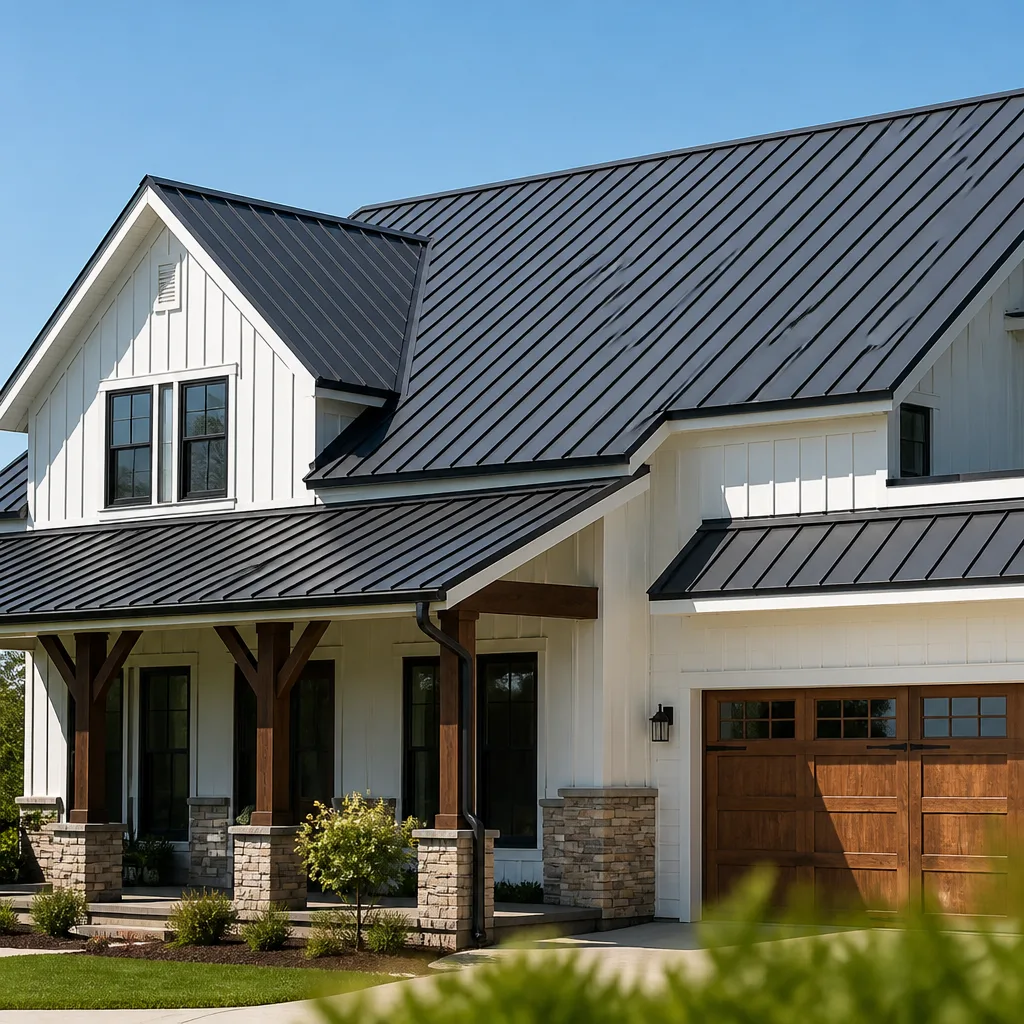 Metal roofing
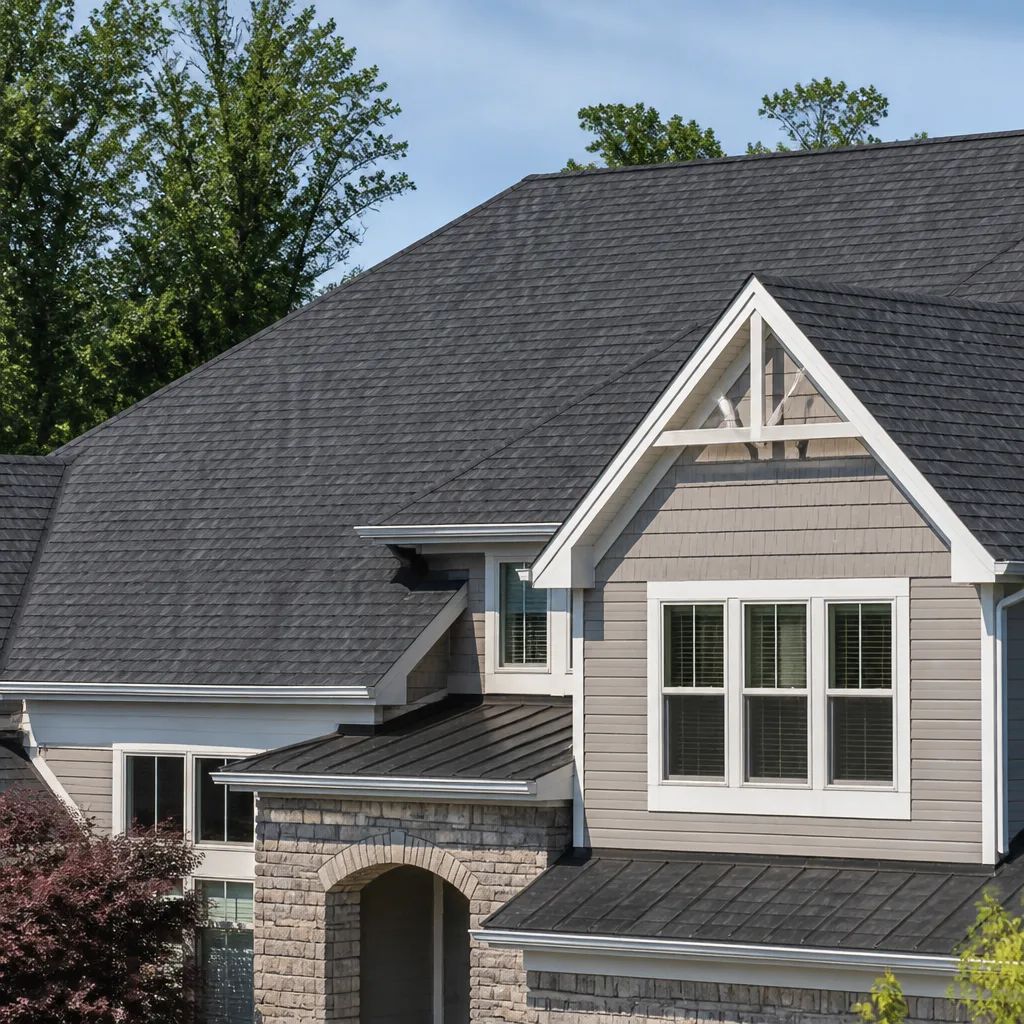 Architectural shingles
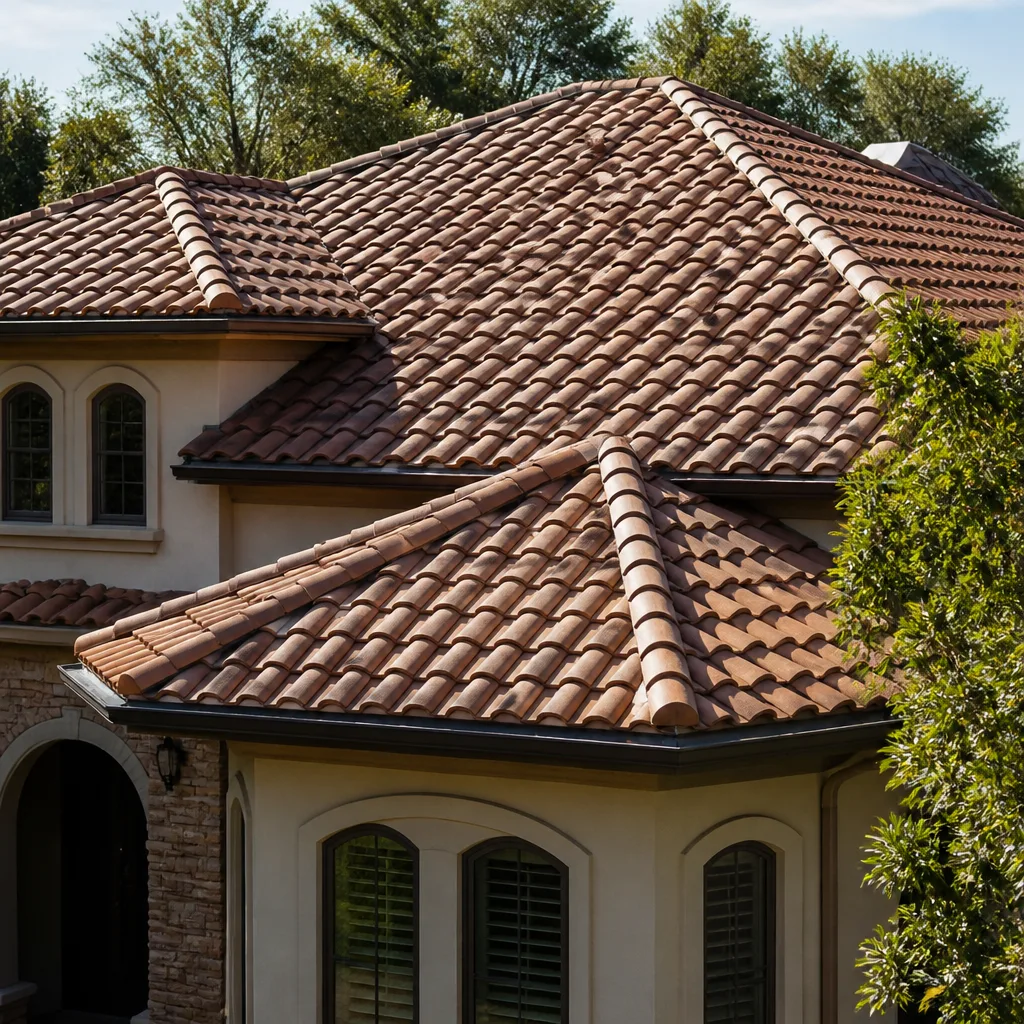 Tile roofing
 GAF
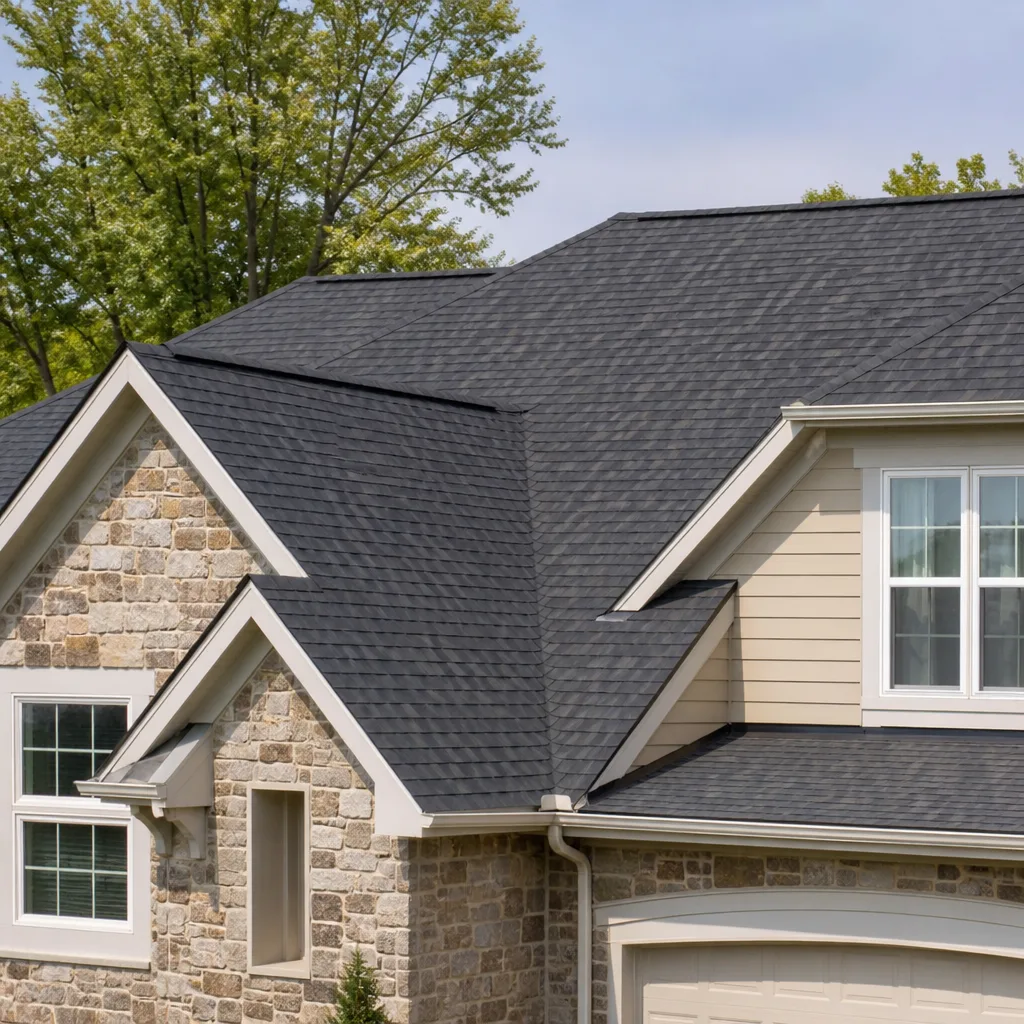 Owens Corning
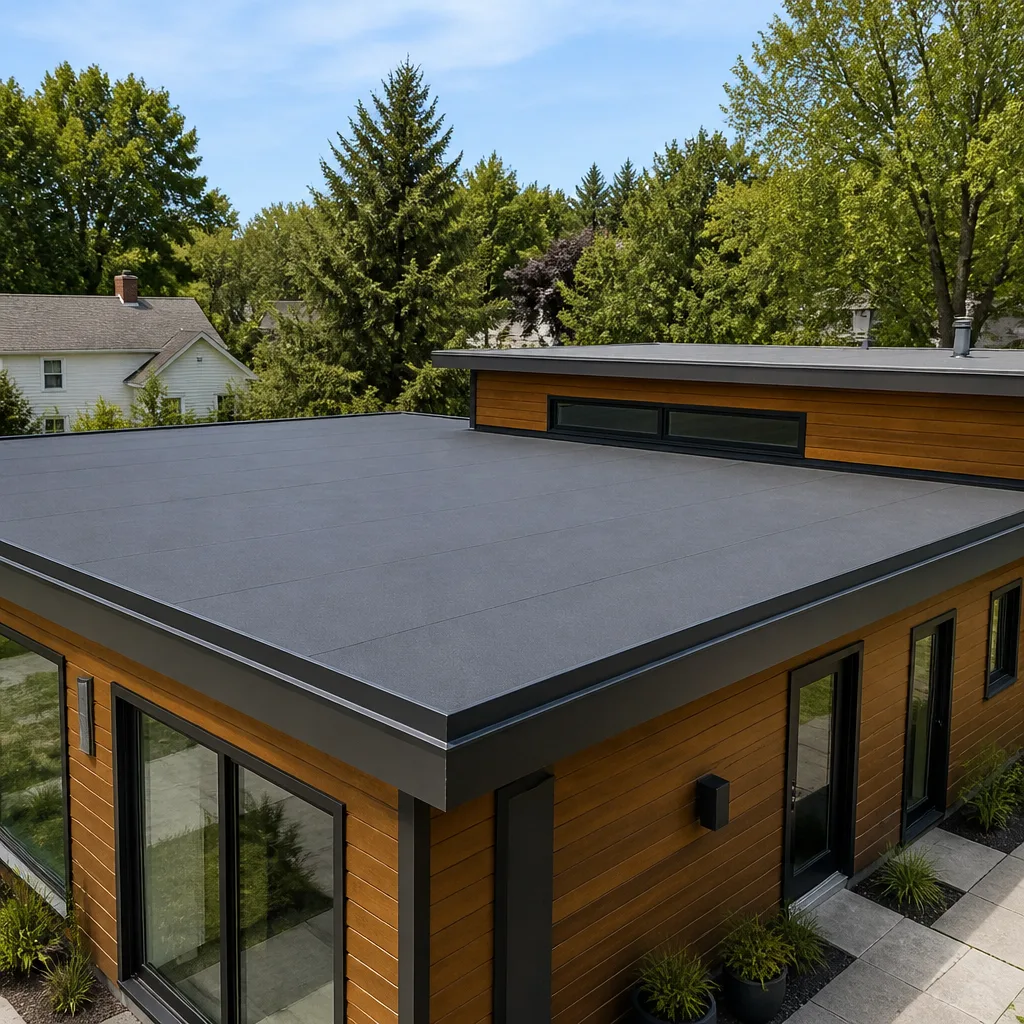 Flat & low-slope
Free roof inspection with deck photos before we talk money - GAF and Owens Corning certified installation
How to Hire a Roofing Contractor in Sunnyvale: A Step-by-Step Guide
The most common misconception about hiring a roofer is that the estimate is where you make your decision. It isn’t. The estimate is where a contractor makes their pitch, and a skilled salesperson can make a thin proposal sound thorough and a thorough one sound expensive. The decision actually happens earlier, in what the contractor brings to the conversation before they ever quote a number: how they document your roof, how many material lines they can speak to honestly, and how much of their process they’re willing to make visible. This guide walks through that process in order, from license verification to reading a line-item estimate, so you know exactly what you’re evaluating at each step. We’ve written it from Sunnyvale, where the market moves fast and the details matter.
Quick Answer
To hire a roofing contractor in Sunnyvale, verify their California license through the CSLB and confirm they hold a C-39 roofing classification, ask for a written inspection report before you accept any quote, compare line-item estimates that explicitly cover tear-off, underlayment, and code compliance, and choose a contractor who works across multiple manufacturers rather than a single brand. Insist on a permit mention, a timeline tied to actual work stages, and a warranty that names what it covers. That four-part filter removes nearly every bad actor before they get near your roof.
Styles & brands we work with
- Architectural shingles
- Metal roofing
- Tile roofing
- GAF
- Owens Corning
- Flat & low-slope
Table of Contents
- 1. Verify Their License and Classification Before Anything Else
- 2. Why Brand Breadth Matters More Than You Think
- 3. What a Real Inspection Looks Like vs. a Sales Visit
- 4. Reading a Roofing Estimate Line by Line
- 5. Permits, Code, and Why the Paperwork Protects You
- 6. Timelines and the “Too Fast” Red Flag
- 7. The Five Questions to Ask Before Anyone Gets on Your Roof
- 8. Understanding the Warranty Before You Sign
Verify Their License and Classification Before Anything Else
Before you ask a single question about materials or pricing, verify the contractor’s license. California maintains the Contractors State License Board, and a quick search on the CSLB website tells you whether a license is active, whether it’s been suspended or revoked, and whether the classification matches the work being quoted. This takes about two minutes and eliminates the majority of unlicensed solicitors.
For roofing work specifically, the contractor must hold a C-39 classification. A general contractor with a B license can sometimes subcontract roofing work, but the entity performing the roofing should carry the C-39. If a contractor can’t tell you their license number off the top of their head, that’s not a personality quirk. It’s a signal.
Here’s what most homeowners don’t realize: if you hire an unlicensed contractor and something goes wrong, your homeowner’s insurance claim becomes far more complicated. Insurers can deny or reduce a claim when work was performed by an unlicensed party, and you may have no recourse through the CSLB’s recovery fund. The license isn’t just paperwork. It’s the foundation of your financial protection if the roof fails or a worker is injured.
We work with homeowners across Sunnyvale who are navigating exactly this verification step, and it’s always the first thing we recommend. Confirm the license, confirm the classification, confirm the insurance. Then talk about your roof.
Why Brand Breadth Matters More Than You Think
A contractor who sells only one roofing brand has a structural conflict of interest. When the only material on the truck is a particular product line, every roof becomes a candidate for that product, regardless of what the home actually needs. That doesn’t make the contractor dishonest. It makes the recommendation predictable, and predictable recommendations aren’t the same as good ones.
The opposite problem exists too: a contractor who works with many brands but can’t articulate why one suits your roof better than another. Material breadth only matters if it comes with the knowledge to use it. The right contractor can explain why CertainTeed architectural shingles might be right for one home and why Owens Corning offers a better solution for another, in plain language, without reaching for a catalog.
At Sunnyvale Roofer, we install materials from seven manufacturers, spanning both premium lines like GAF, CertainTeed, and Owens Corning and value-tier options like IKO, Atlas, Tamko, and Boral. That range matters for one reason: it lets us match the material to the home and the budget instead of steering everyone toward a single price point.
- Premium tier (GAF, CertainTeed, Owens Corning): Longer manufacturer warranties, deeper color and profile options, higher wind and impact ratings.
- Value tier (IKO, Atlas, Tamko, Boral): Solid performance at a lower material cost, suited to rentals, tighter budgets, or homes where the roof shape limits premium product benefits.
- Boral: A distinct option for homeowners considering tile or non-asphalt systems where the home’s structure supports the added weight.
When you interview contractors, ask which brands they install and why. A two-brand contractor may be perfectly honest and still unable to give you the option you need. A contractor who can walk you through three or four options that fit your roof, your budget, and your home’s age is giving you something a single-brand shop can’t: an actual choice.
What a Real Inspection Looks Like vs. a Sales Visit
Many “free inspections” are really sales calls with a ladder. The person arrives, spends ten minutes on the roof, comes down, and hands you a replacement quote. If that’s what happens, you haven’t been inspected. You’ve been quoted.
A legitimate inspection produces documentation. That means photographs of specific problem areas, notes on the condition of individual roof components, and an assessment that distinguishes between what needs repair now, what needs monitoring, and what’s actually fine. Roof inspections are offered as a standalone service at Sunnyvale Roofer precisely because inspection and replacement are different tasks that shouldn’t be bundled by default.
Here’s how to tell the difference:
- Real inspection: The inspector takes photos and shows them to you, even if there’s no damage to report.
- Real inspection: The written summary explains what was checked, from flashing and valleys to the condition of the underlayment where visible.
- Real inspection: The report recommends repair where repair is appropriate and doesn’t push replacement as the only option.
- Sales visit: The inspector goes up without a camera and comes down with a number.
- Sales visit: The report arrives after you’ve been asked to sign something.
- Sales visit: Every visit results in a replacement recommendation, including visits on roofs that are clearly recoverable.
We’ve seen Sunnyvale homeowners hand over multiple replacement quotes for roofs that needed flashing repair. The inspection is the diagnostic step, and anyone who skips it is skipping the part where they’d have to justify their recommendation.
Reading a Roofing Estimate Line by Line
A roofing estimate is a contract in draft form. Every vague line is a place where the final bill can grow. The estimates that hold up are the ones that itemize the work in enough detail that nothing is left to interpretation. Here’s what a solid estimate should contain.
- Tear-off: Explicitly stated, with the number of layers being removed. “Tear-off included” is vague. “Remove one layer of existing asphalt shingles” is specific. If your roof has multiple layers, the estimate should say so and price accordingly.
- Decking and sheathing: An allowance or per-sheet price for replacing damaged wood decking. Roofers rarely know how much decking is rotted until tear-off reveals it. The estimate should tell you the rate before you sign, not surprise you after.
- Underlayment: Named by product or type, not just “underlayment.” Synthetic underlayment and felt have different performance and cost profiles.
- Ice and water shield: Should be specified for valleys, eaves, and around penetrations. The estimate should say where it goes, not just that it’s included.
- Flashing: New flashing at penetrations, chimney, and skylights. Reusing old flashing is a common shortcut that costs you later.
- Ridge vent and ventilation: Stated as part of the system, with intake and exhaust accounted for. Roofs that are sealed without adequate ventilation fail prematurely.
- Code compliance: Explicitly noted, especially for anything the local building department requires, such as drip edge or specific fastener patterns.
- Permit: A line item showing the permit will be pulled, not a vague promise to “handle the paperwork.”
- Cleanup and disposal: Dumpster, haul-away, and magnetic sweep of the property. Should be stated, not implied.
- Warranty: Line-itemed: manufacturer warranty and workmanship warranty, each with its term and coverage named.
When we provide estimates, the goal is that a homeowner can read each line and know exactly what it covers. If you’re comparing two estimates and one has twelve lines and the other has three, the twelve-line estimate isn’t necessarily more expensive. It’s just easier to hold the contractor to.
Permits, Code, and Why the Paperwork Protects You
A roofing permit isn’t bureaucratic overhead. It’s the mechanism that gets your roof inspected by an independent third party when the work is done, and it creates a paper trail that matters when you sell the home, file an insurance claim, or need to prove the work was done to code. Roofs replaced without a permit can become a disclosure item during a sale, and buyers discount for unpermitted work.
In Sunnyvale, roofing permits are typically issued by the city’s building department, and most full replacements and many repairs of significant scope require one. Requirements shift, so verify specifics with the city or ask your contractor to show you the permit number. A contractor who tells you “we don’t need a permit for that” without checking is either unfamiliar with Sunnyvale’s process or hoping you won’t ask.
Code compliance is the part of the estimate that’s easy to skip and expensive to overlook. Drip edge, fastener patterns, ventilation ratios, and flashing details are all governed by code, and a contractor who prices a job under code minimums is pricing a job that will fail inspection. When you read an estimate, look for the phrase “code compliant” or its equivalent applied to specific elements. If it’s just stated once as a blanket claim, ask which code items are covered.
If you’re already concerned about an existing installation, we can take a look before any decisions get made. Roof repair can address code-related corrections without requiring full replacement when the underlying roof is sound.
Timelines and the “Too Fast” Red Flag
Every homeowner wants a fast roof, and a good contractor can often replace a residential roof in a reasonable number of working days. But timelines in the roofing business are a signal, and “too fast” is worth paying attention to. A contractor who promises a full replacement in a single day, or who quotes a timeline shorter than the amount of time required for proper tear-off and inspection of the deck, is either cutting corners or hoping you won’t notice.
Fast timelines in the Sunnyvale market show up in three common ways:
- The “we have a crew in the area tomorrow” pitch. Roofing crews work scheduled jobs. A contractor who suddenly has a same-day opening is usually trying to prevent you from getting a second estimate.
- No permit timeline. If the permit isn’t mentioned, the calendar probably doesn’t include the inspection step. That’s either a permit they intend to skip or an inspection they haven’t planned for.
- Pressure to sign before documentation is shared. If you’re asked to commit before you’ve seen the inspection report or photos, the contractor is racing your decision against your information.
A realistic replacement timeline in Sunnyvale usually includes a permit period, a scheduling window, two to three working days of active installation for most residential roofs, and a follow-up inspection. That’s the honest version. If someone quotes less, they’ve either compressed the work or compressed the paperwork.
The Five Questions to Ask Before Anyone Gets on Your Roof
These five questions cover more ground than a full sales appointment. Ask them on the phone, before you schedule.
- “What’s your CSLB license number and classification?” They should answer immediately, and the number should verify on the CSLB website with an active C-39 classification.
- “Which roofing brands do you install, and why?” Look for a contractor who names at least three brands and connects the brands to specific situations (architectural shingles, wind ratings, budget tiers). A one-brand answer is a caution sign.
- “Will you pull the permit, and is the permit in the estimate?” The answer should be yes, with the permit shown as a line item, not folded into “miscellaneous.”
- “Can I see the inspection report before I decide on replacement?” A diagnostic-first contractor will say yes without hesitation. A sales-first contractor will find reasons to delay.
- “What’s the workmanship warranty, and does it transfer if I sell?” The warranty should be written, with its term stated, and it should be clear whether it transfers to a future owner.
Together, these five questions filter almost every solicited or short-cut contractor out of your process. We encourage homeowners to ask them of us too. A contractor who can’t answer all five clearly hasn’t built a process worth trusting.
Understanding the Warranty Before You Sign
Roofing warranties come in two layers, and confusing them is a costly mistake. The manufacturer warranty covers the shingles themselves and is typically issued by the product maker. The workmanship warranty covers the installation and is issued by the contractor. Both matter, and both should be in writing before you sign anything.
Manufacturer warranties vary by product line and by whether the contractor is authorized to install that brand. Certain products require installation by an authorized contractor to qualify for the longer warranty tiers, and the contractor must be able to show they’re eligible. When a contractor quotes a GAF, CertainTeed, or Owens Corning system, ask which warranty tier applies to your specific product and installation, and have it stated in the contract.
Workmanship warranties are where contractors differ most. Some offer a short window, some offer a longer one, and some offer only a verbal promise. Get it in writing, ask whether it covers labor for repairs during the term, and ask whether it transfers if you sell the home. A transferable workmanship warranty is a real asset in a Sunnyvale sale, and a non-transferable one disappears the moment you close.
Roof replacement is a significant investment, and the warranty is a substantial part of what you’re buying. Roof replacement without a clear warranty structure is a project you can only partially protect. Read the paperwork before the crew arrives.
Common Mistakes to Avoid
- Choosing the lowest estimate without reading it. The lowest number often reflects the thinnest scope. A $2,000 gap between quotes usually disappears in the itemized comparison.
- Skipping the license check. It takes two minutes on the CSLB website. Skipping it removes the single strongest protection you have if the work goes wrong.
- Accepting an oral inspection. If the contractor can’t produce a written report with photos, you have no record of what was found or why replacement was recommended.
- Ignoring the permit. A roof installed without a permit becomes your problem at resale, and in Sunnyvale unpermitted work is a common disclosure item that costs homeowners at the closing table.
- Letting brand loyalty override the roof’s needs. If your contractor installs only one brand, your roof has been matched to the contractor’s inventory, not the other way around.
- Signing before the warranty is in writing. Manufacturer and workmanship warranties should both be documented in the contract, with terms and transferability clearly stated.
- Confusing a sales visit with an inspection. An inspection produces a report. A sales visit produces a number. If you don’t have the report, you don’t have the diagnosis.
See the difference
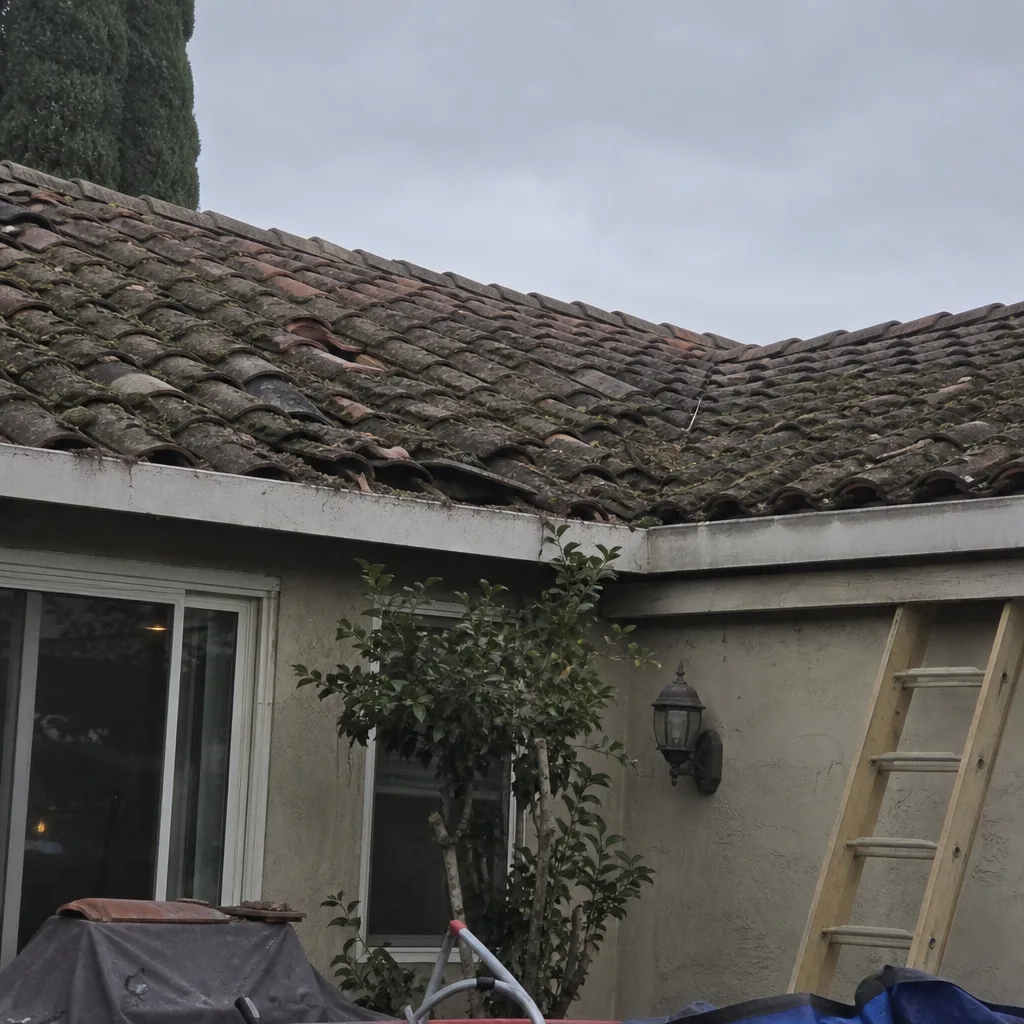 Before
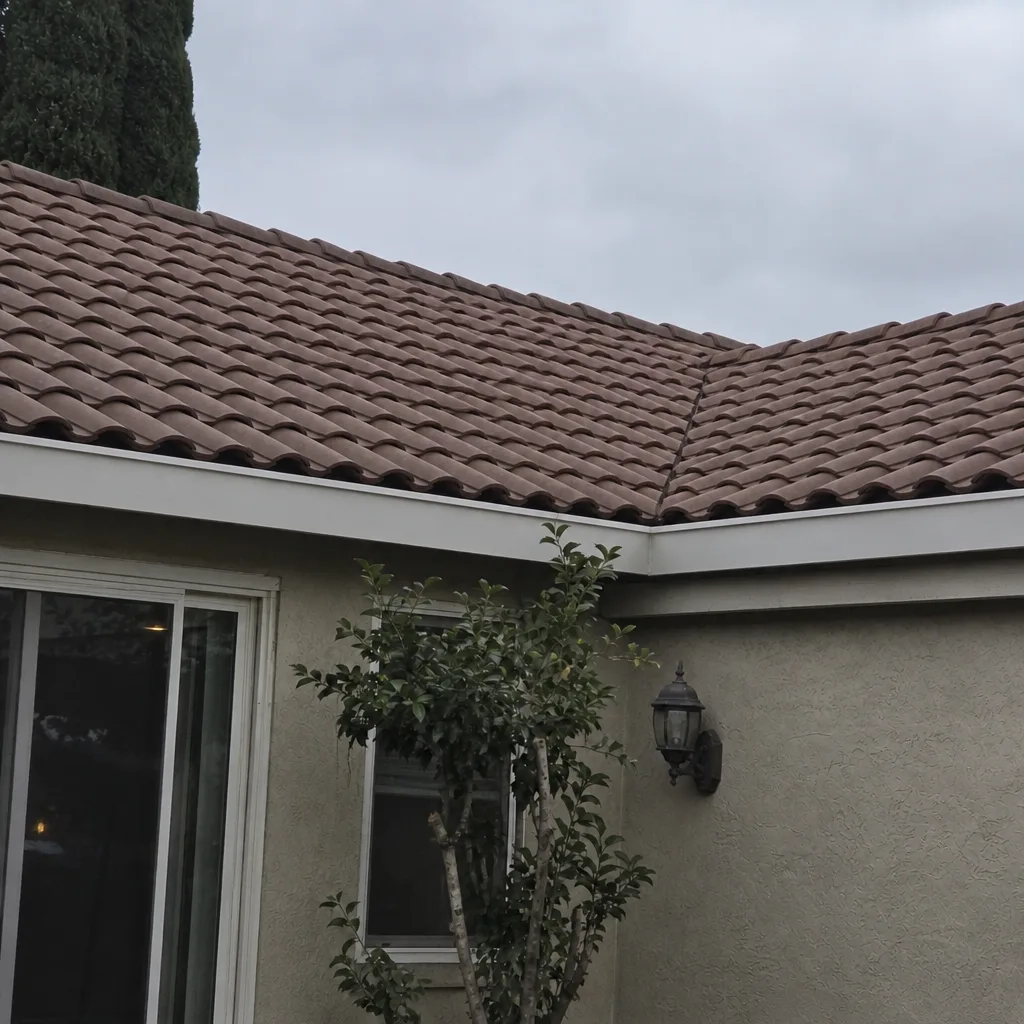 After
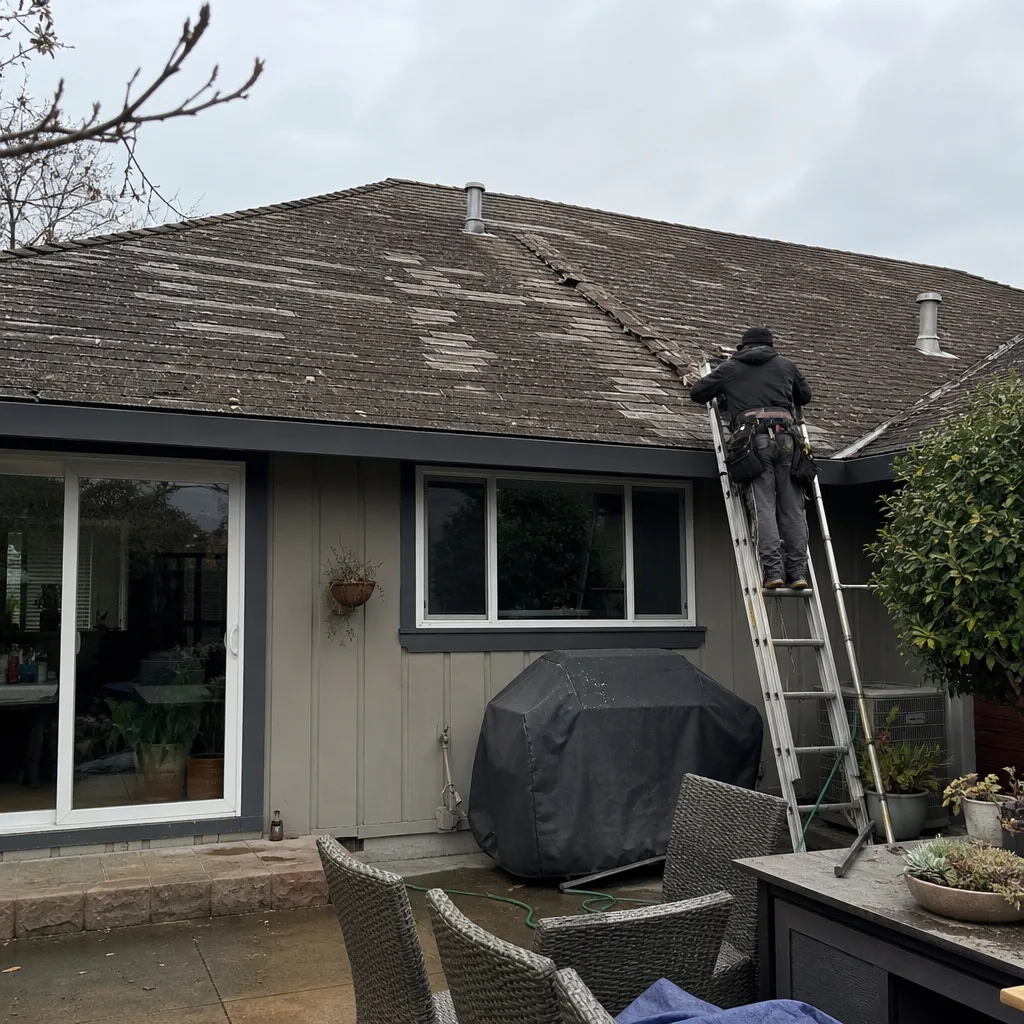 Before
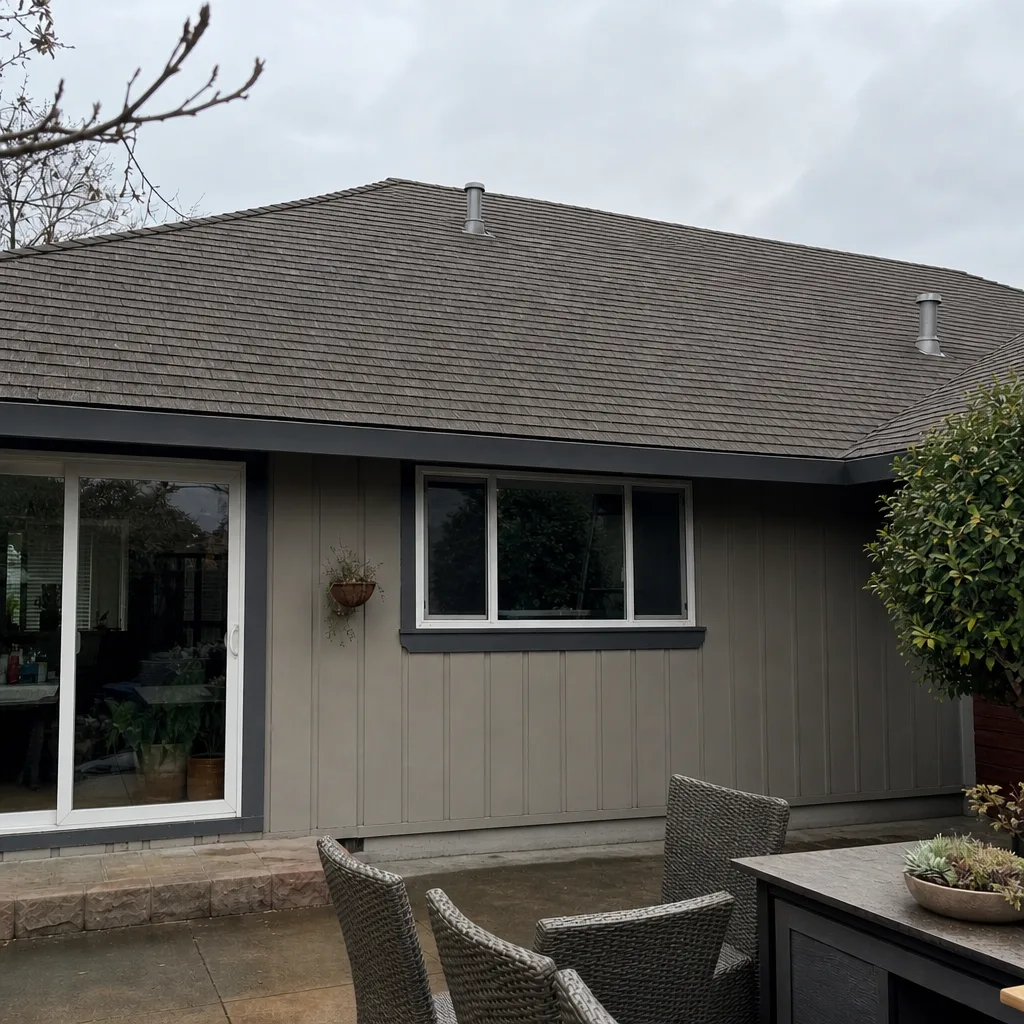 After
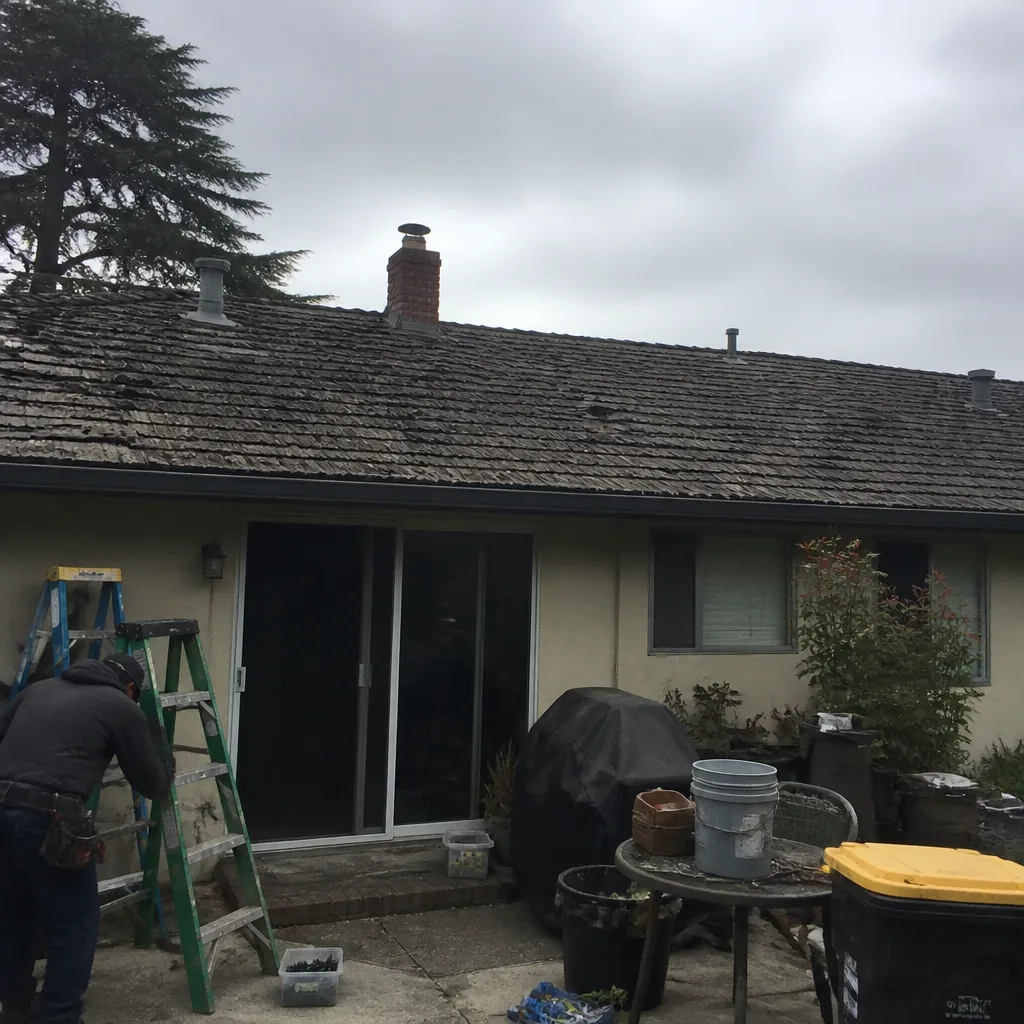 Before
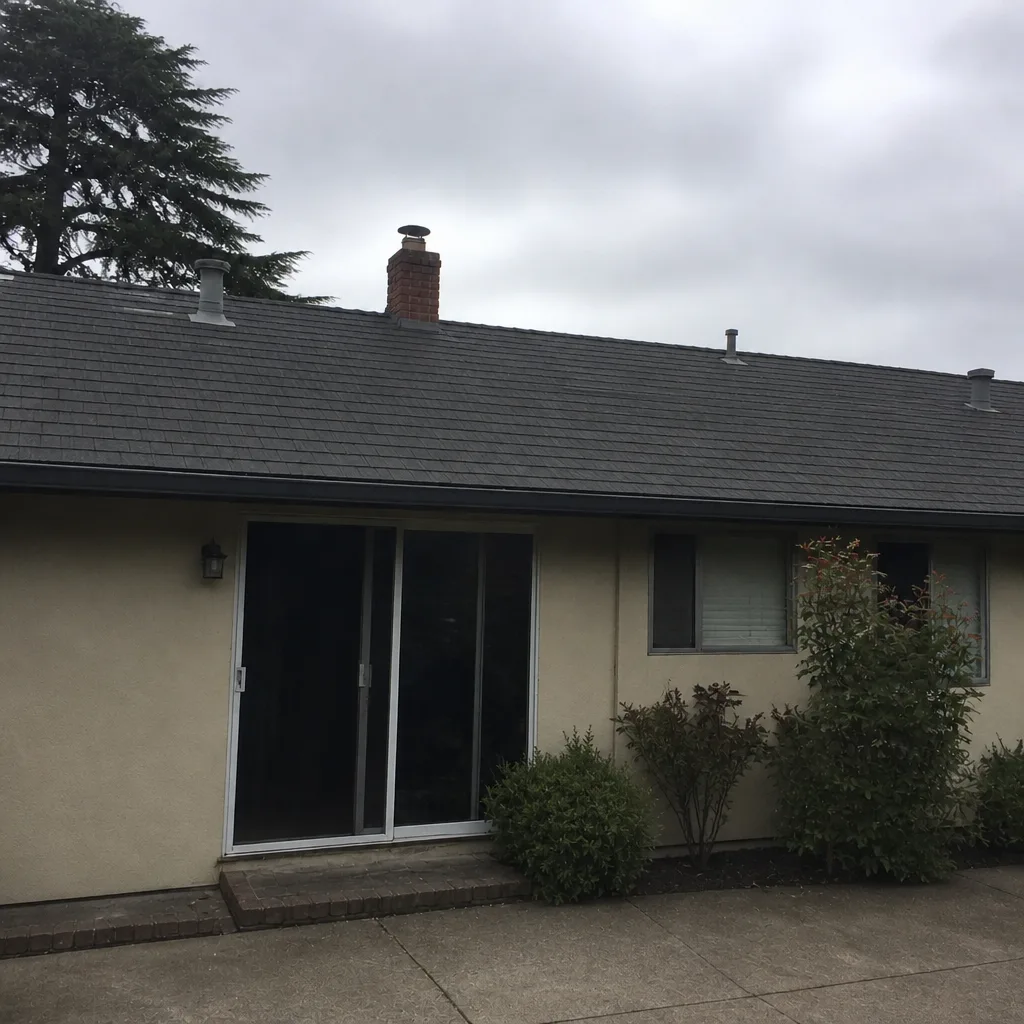 After
When to Call a Professional
Some roof problems are obvious: a shingle on the lawn, an active leak, or a visible sag. Others show up as small clues, like a stain on a ceiling after rain, granules collecting in a gutter, or daylight filtering through an attic. Any of these is worth a professional look, because water damage rarely stays contained and often travels along framing before it appears on a ceiling.
Beyond visible damage, there are times when a professional inspection is worth scheduling even when nothing appears wrong. If the roof is more than fifteen years old and you haven’t had it assessed, if you’re considering selling in the next year, or if you’ve had a repair done and want to confirm it was done properly, an inspection gives you the information you need.
Sunnyvale Roofer offers free estimates in Sunnyvale. Call (833) 349-3199. We answer 24/7. Fast dispatch from 7am to 7pm, Sunday through Friday. Every job starts with an honest inspection, and we’ll tell you whether repair makes sense or replacement is genuinely needed.
Frequently Asked Questions
A roofer must hold a C-39 roofing classification from the California Contractors State License Board. Verify the license status on the CSLB website before hiring, and confirm the classification matches roofing work specifically. Call (833) 349-3199 for an estimate from a licensed and insured contractor.
Inspection pricing depends on roof size, access, and whether you want a full written report. Estimates are free, and the written quote you receive sets the final price for the inspection itself. Call (833) 349-3199 to schedule your free estimate.
Most full roof replacements in Sunnyvale require a permit from the city’s building department, and many large repairs do as well. Confirm the specifics with the city before work starts, and ask your contractor to show you the permit number. Call (833) 349-3199 to schedule your free estimate.
A contractor should work with enough brands to offer you a genuine material choice across price tiers, rather than a single product line. At Sunnyvale Roofer we install materials from seven manufacturers, which lets us recommend based on your home rather than our supply. Call (833) 349-3199 to schedule your free estimate.
The written estimate sets the final price. Decking replacement is the one common variable, and the best estimates list the per-sheet rate for additional wood replacement before you sign, so there are no surprises after tear-off. Call (833) 349-3199 to schedule your free estimate.
Most residential roof replacements take two to three working days of active installation, plus the permit period and a follow-up inspection. The schedule depends on your roof’s size, pitch, and complexity. Call (833) 349-3199 to schedule your free estimate.
The Bottom Line
Hiring a roofing contractor in Sunnyvale comes down to two things that cheap operators can’t fake: material depth and process transparency. A contractor with genuine brand breadth can match your roof to the right material instead of the one on their truck, and a contractor with a transparent process will show you the inspection report, itemize the estimate, pull the permit, and put the warranty in writing before you sign. Verify the C-39 license, ask the five questions, read every line, and don’t let anyone skip the inspection. Do that, and the estimate stage becomes an information exchange rather than a sales event. We’re Sunnyvale Roofer, and we’re happy to be one of the contractors you evaluate. Call (833) 349-3199 for a free estimate. We answer 24/7. Fast dispatch from 7am to 7pm, Sunday through Friday.
Written by the team at Sunnyvale Roofer.