
Last updated November 15, 2026
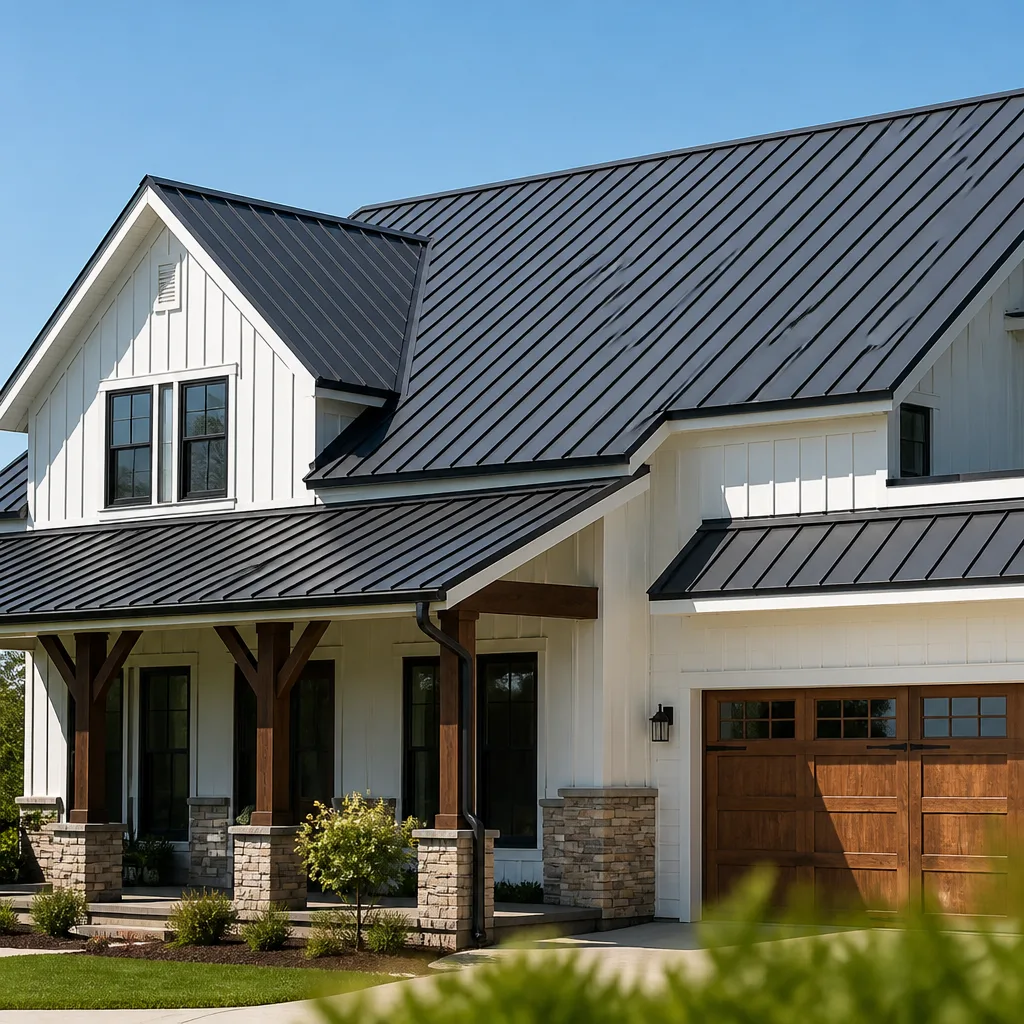 Metal roofing
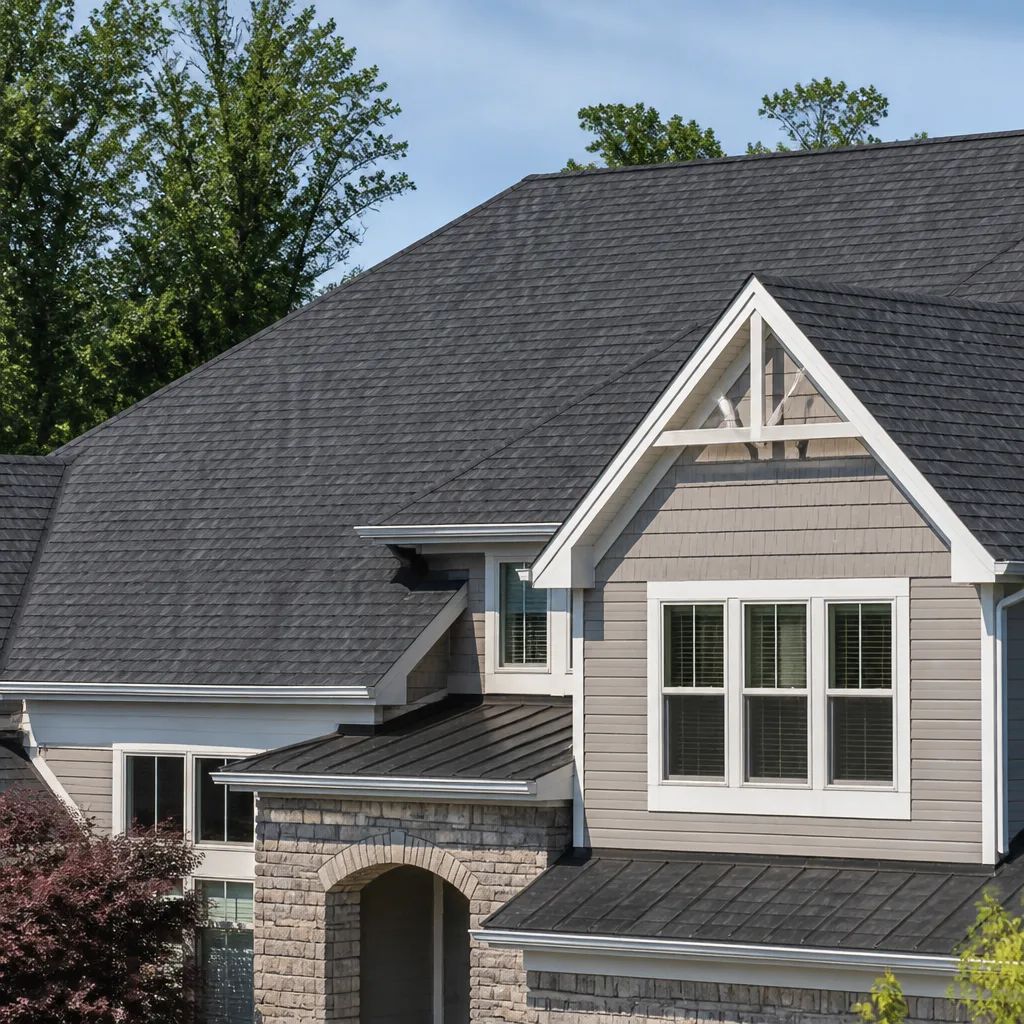 Architectural shingles
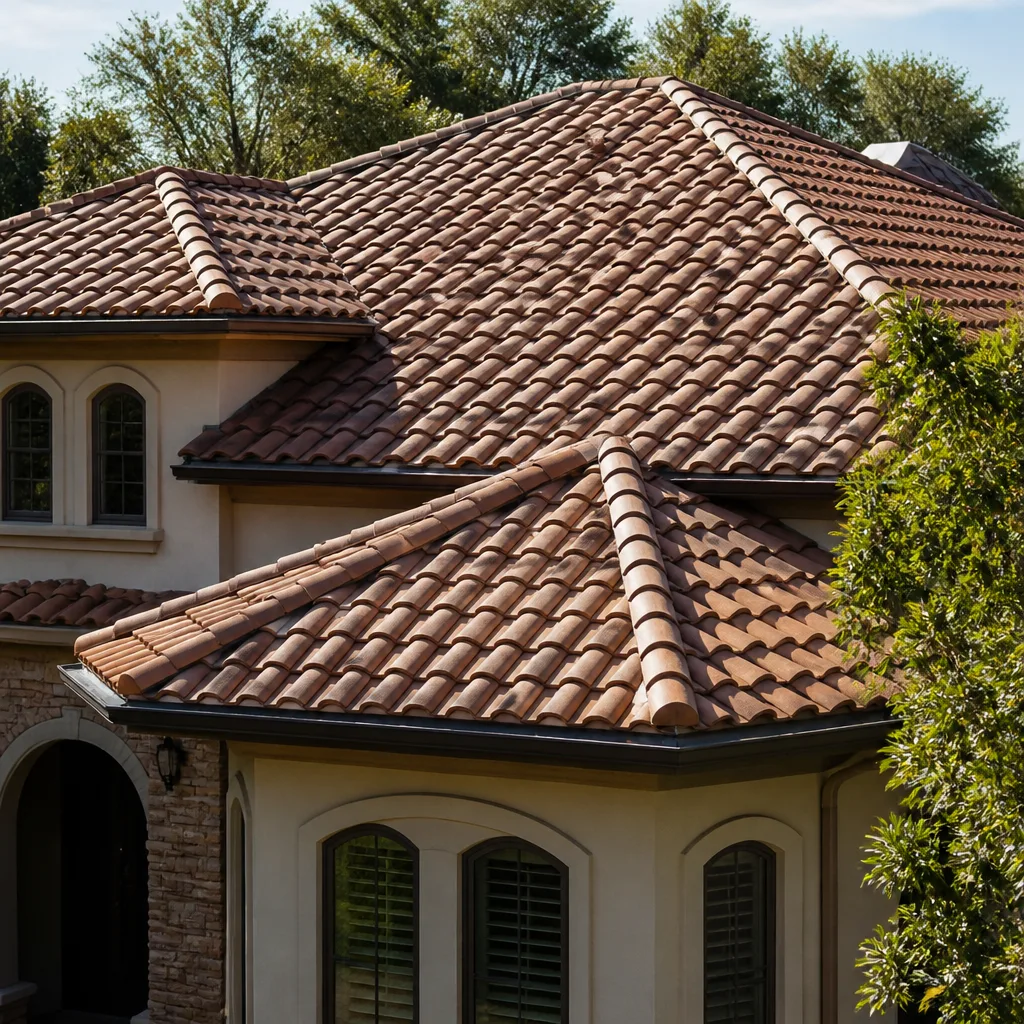 Tile roofing
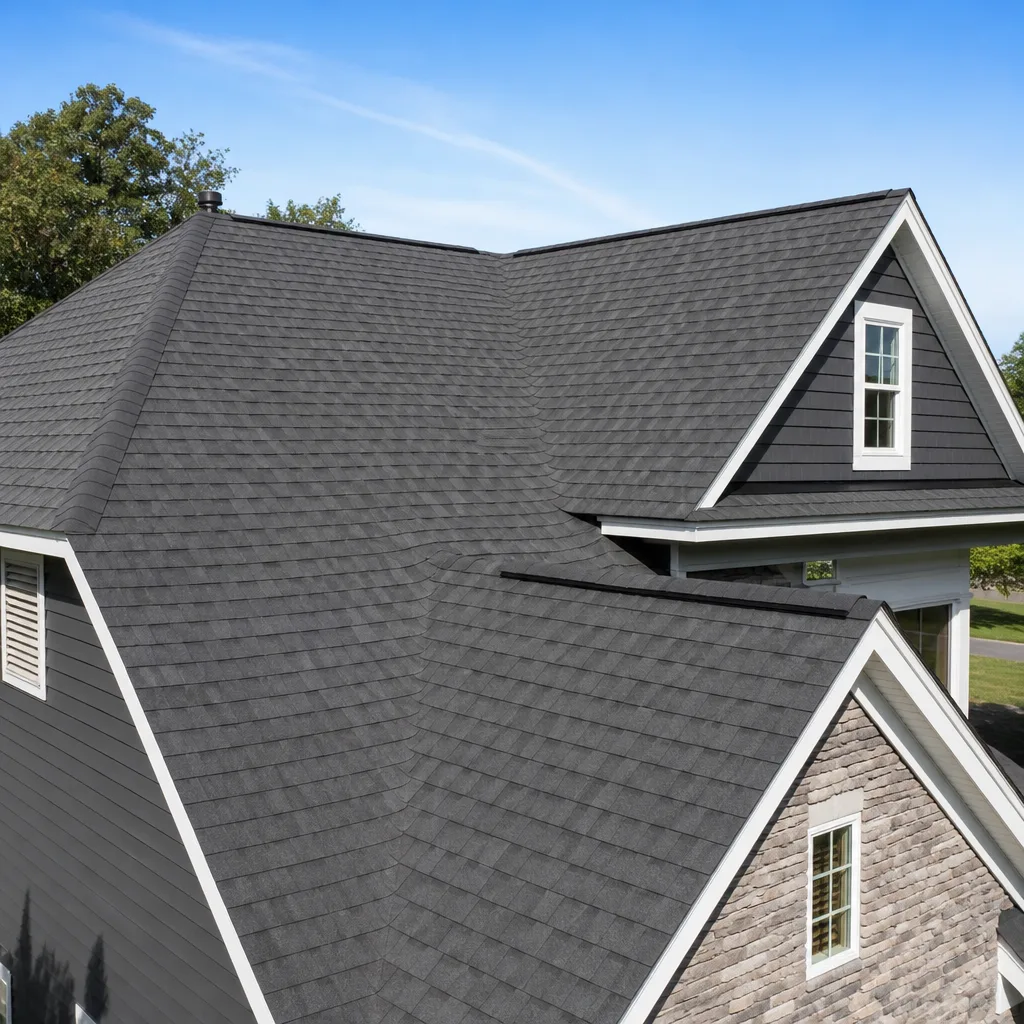 GAF
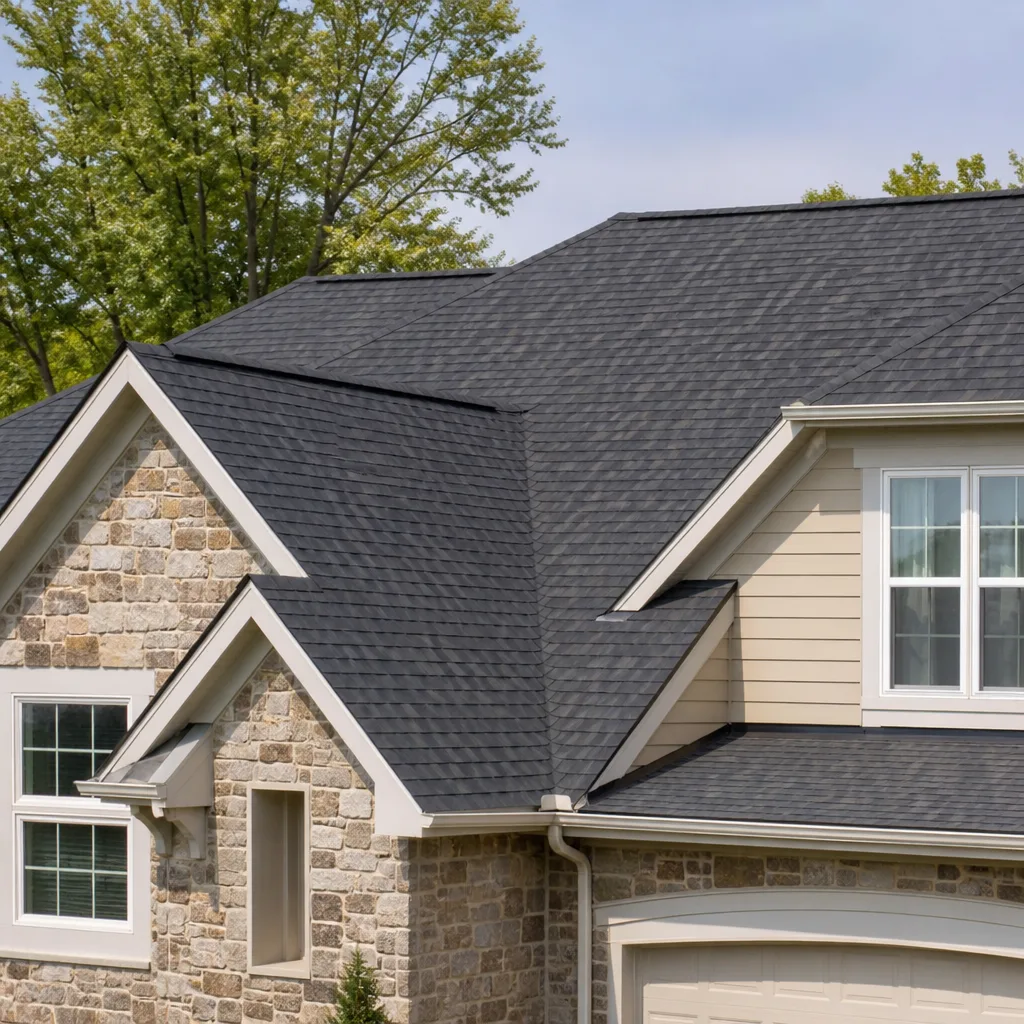 Owens Corning
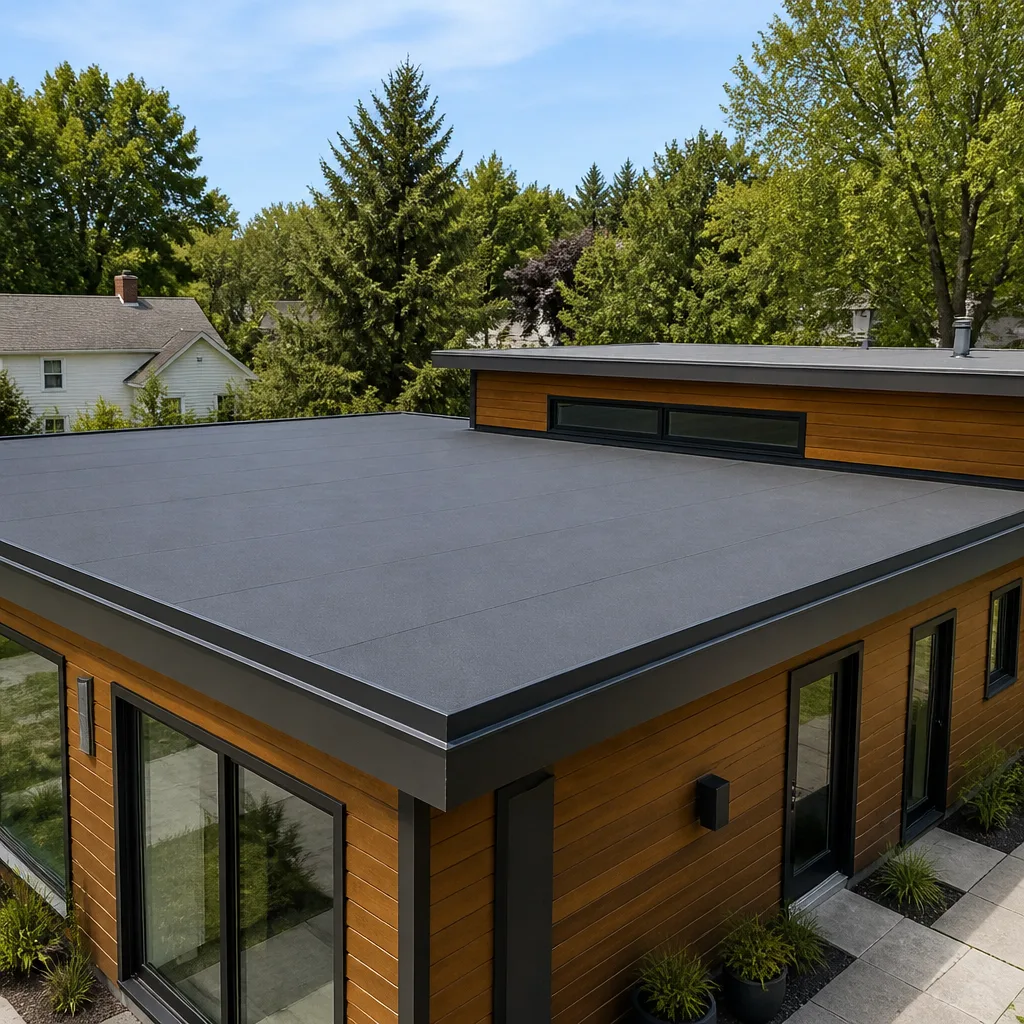 Flat & low-slope
Free roof inspection with deck photos before we talk money - GAF and Owens Corning certified installation
Roofing Warning Signs: A Sunnyvale Homeowner’s Reference Guide
By the time you see a water stain on your ceiling, the roof has already failed. The stain is just the receipt. The warning signs worth knowing appear long before that, and most of them are visible from the ground with nothing more than a pair of eyes and a little patience. This guide covers the mid-stage indicators that show up 12 to 24 months before a real failure, when a repair still costs far less than a replacement. We’ll walk through what common Sunnyvale roof types do as they age, what to look for inside the attic and out, and how to tell cosmetic wear from structural trouble.
Quick Answer
The most valuable roofing warning signs in Sunnyvale are mid-stage indicators: granule loss concentrated near valleys and sun-facing slopes, dark streaking from algae, cracked or separated flashing caulk, and attic conditions like compressed insulation or dark-stained rafters. These appear 12 to 24 months before a roof actually leaks. Catching them early keeps a repair a repair instead of a full replacement.
Styles & brands we work with
- Architectural shingles
- Metal roofing
- Tile roofing
- GAF
- Owens Corning
- Flat & low-slope
Table of Contents
- What Roof Warning Signs Can You Spot From the Ground?
- How Do Different Sunnyvale Roof Types Age?
- What Are the Interior Warning Signs Beyond Ceiling Stains?
- Why Is Flashing the Warning Sign Homeowners Miss?
- What’s the Difference Between Cosmetic Aging and Structural Damage?
- How Do You Rank Roof Warning Signs by Urgency?
- When Should You Book a Roof Inspection?
- Common Mistakes to Avoid
What Roof Warning Signs Can You Spot From the Ground?
Most homeowners look up at their roof only when something has gone wrong. That’s backwards. A five-minute walk around the exterior of your Sunnyvale home, done a few times a year, catches problems while they’re still small. Here’s what to look for.
- Granule loss: Bare patches on composition shingles where the granular coating has worn away. Look near valleys, along the eaves, and on the slope that faces the afternoon sun. Granules travel down and usually collect in gutters, so a gutter full of grit is a clue.
- Dark streaking: Those black streaks running down the slope are usually algae, not dirt. They’re common in Sunnyvale’s moderate, humid coastal-influenced air and are mostly cosmetic, but heavy streaking can signal shingles that are holding moisture.
- Curling or cupping shingle edges: When the tab edges lift or the shingle surface dips, the roof is losing its seal. You’ll spot this clearly from the ground on the south and west-facing slopes.
- Rust streaks on flashing: Orange or brown trails below chimney, vents, or skylights point to metal that’s corroding and letting water past.
- Sagging along the roofline: A wavy or dipped section of roofline is the one sign you should never wait on. It can mean decking or framing is compromised.
Walk your property line and take photos from a couple of angles. Comparing this year’s photos to last year’s is the simplest way to tell whether a spot is aging slowly or moving. That comparison is also the kind of evidence that makes a Sunnyvale Roofer conversation more useful than guesswork.
How Do Different Sunnyvale Roof Types Age?
Sunnyvale’s housing stock covers a lot of ground. The roof on a mid-century ranch near downtown behaves very differently from the tile roof on a newer build toward the south end of the city. Knowing what your specific roof type does as it ages is half the battle.
Composition Shingles
This is the most common roof type in Sunnyvale. Composition shingles fail from the top down: first the granules wear off, then the asphalt underneath starts to dry and crack, then the tabs curl and lift. Sunnyvale’s dry summers and mild, wet winters push this process at a moderate pace. The key thing to watch: granule loss in a scattered pattern is normal aging. Granule loss concentrated in one area or along a valley usually means the shingles there are past their useful life while the rest of the roof is fine. That’s a repair, not a replacement.
Tile Roofs
Tile is durable, but it’s not immune. Under the tile, an underlayment is doing most of the waterproofing, and that underlayment ages. Tile itself can crack, chip, or slip out of line. Surface oxidation, a chalky or faded look on the tile face, is usually cosmetic. What matters more is whether tiles are broken, missing, or shifted, because each gap lets water reach the underlayment. In our experience, tile roofs in Sunnyvale look fine long after the underlayment underneath has started to fail, which is why a proper assessment under the tile is worth the time.
Flat and Low-Slope Roofs
Flat roof sections on Sunnyvale homes fail at the edges and at the seams first. Look for ponding, where water sits more than a day after rain, and for blistered or bubbled membrane surfaces. Ponding edges stress the seams and accelerate wear. If you have a flat section over a garage or addition, check it after the first big rain of the season.
What Are the Interior Warning Signs Beyond Ceiling Stains?
Everyone knows a brown ring on the ceiling means trouble. By then, the water has already traveled a long way. The attic gives you warning signs well before that. Here are the interior clues most homeowners overlook.
- Attic temperature differentials: If your attic feels noticeably hotter than you’d expect on a mild day, or much colder, the roof may be losing ventilation or insulation integrity. In Sunnyvale’s warm months, a well-vented attic should stay close to outdoor temperature.
- Compressed or damp insulation: Insulation that’s flattened, matted, or feels damp is often the first physical evidence of moisture entering from above. Healthy insulation is fluffy and dry.
- Darkened rafters or sheathing: Dark stains or a shadowy pattern on the wood framing in the attic means repeated moisture exposure. It often points to a slow leak at flashing.
- Daylight or visible sky at the roof peak: Any light showing through the roof decking is an immediate signal of a gap or failed seal. Note where it is.
- Peeling paint or bubbling on exterior walls: Moisture moving through the wall assembly from the roof above.
A flashlight and a dry afternoon are enough to read these signs. Use your phone to photograph what you see, especially the rafters and insulation, so a technician can look at it with you. Our technicians have up to 9 years of experience reading exactly these conditions, and they’ll tell you what’s cosmetic and what isn’t.
Why Is Flashing the Warning Sign Homeowners Miss?
Flashing is the metalwork around the penetrations in your roof: the chimney, skylights, vents, and where roof planes meet walls. It’s also the single most common source of leaks that catch Sunnyvale homeowners off guard. Homeowners look at the shingles and ignore the flashing entirely.
Flashing fails in three predictable ways. First, the caulk at the base of the flashing dries and cracks. Second, the metal itself rusts or corrodes at the edges. Third, counter-flashing, the upper piece that tucks into a masonry wall or chimney, separates and pulls away, leaving a gap. Here’s what to watch for:
- Rust streaks running down from any metal point on the roof.
- Cracked, peeling, or missing caulk lines around skylights and vents.
- A visible gap or separation between the roof surface and the chimney or wall where counter-flashing tucks in.
- Lifted or loose step flashing along the side of a chimney.
Flashing is also where a small repair is almost always cheaper than waiting. Re-sealing and re-setting flashing around a chimney is typically a modest job. A leak that has run along the framing for a season can turn into sheathing and framing damage that costs far more. If your home is in Sunnyvale and you’ve been wondering about a rust streak on the flashing, that’s worth a look before the wet season.
What’s the Difference Between Cosmetic Aging and Structural Damage?
Not every aging roof needs work. Knowing the difference is how you avoid both unnecessary replacement and expensive delay.
- Cosmetic aging is surface wear: some granule loss, faded color, mild algae streaking, or oxidation on tile. The roof still sheds water. It looks older but functions.
- Structural compromise is anything that affects the roof’s ability to keep water out or its support: a sagging roofline, spongy sheathing, rafters dark from repeated moisture, or multiple leaks that keep returning after repair.
A simple three-question test helps. Does the roof shed water in a heavy rain? Is the framing visibly sound from the attic? Are the flashing points sealed and intact? If all three answers are yes, you’re likely fine to monitor. If any answer is no or uncertain, it’s time for a professional assessment. Material choice also comes into this: a value-brand shingle from IKO or Atlas may be the right repair material for a mid-life roof, while a premium GAF line makes more sense on a roof being replaced. We work with seven major brands so the material fits your home, not a single supply order.
How Do You Rank Roof Warning Signs by Urgency?
Ranking what you see is the practical heart of this guide. Here’s the scale we’d use for any home in Sunnyvale.
Monitor Monthly
- Light, even granule loss across a slope.
- Mild algae streaking on composition shingles.
- Chalky oxidation on tile faces.
- A single hairline crack in flashing caulk.
None of these need a work order. Photograph them, put the date on the photo, and look again in 30 days. This is the category where the roof is telling you it’s aging, not failing.
Schedule Within 90 Days
- Concentrated granule loss in one area or valley.
- Curling or lifting shingle tabs across a visible slope.
- Cracked caulk at flashing with rust nearby.
- Any daylight showing through roof decking from the attic.
- Compressed or damp insulation.
These signs won’t fail today, but they’re moving. A roof inspection in the next few months tells you whether the correct move is a targeted repair or a plan for replacement.
Call This Week
- A sagging or wavy roofline.
- Ceiling stains, bubbling paint, or water coming in during rain.
- Multiple leaks that came back after being repaired.
- Chimney counter-flashing pulled away from the masonry.
- Dark, damp or spongy sheathing visible in the attic.
These aren’t wait-and-see signs. Each one points to water already moving through the structure. Call (833) 349-3199. We answer 24/7. Fast dispatch from 7am to 7pm, Sunday through Friday.
When Should You Book a Roof Inspection?
A roof inspection is the single most useful investment you can make in your roof’s future, and it doesn’t require a commitment to replacement. Here’s when to schedule one.
- You’ve spotted any warning sign in the 90-day category.
- You’ve had a major storm with wind or rain.
- You’re buying or selling a home and need a true picture of the roof condition.
- You’re considering a repair and want to know it’s the right call.
- Your roof is over 15 years old and you’ve never had it professionally assessed.
A proper inspection starts at the ground and moves up: gutters, eaves, all visible slopes, flashing points, and then the attic interior. You should come away knowing the condition of the shingles or tile, the state of the underlayment, and whether repair or replacement is the honest recommendation. Because our service begins with an honest inspection and doesn’t require replacement, you’ll get the actual picture. If you’re ready to book, call (833) 349-3199 for a free estimate. We answer 24/7 and dispatch Sunday through Friday, 7am to 7pm.
Common Mistakes to Avoid
- Waiting for a ceiling stain. By the time a water stain appears on a Sunnyvale ceiling, water has already traveled through the roof assembly, insulation, and drywall. Watch the mid-stage signs instead so you’re acting months earlier.
- Judging a roof only from the street on a dry day. Some of the most telling signs are only visible after rain or from inside the attic. Make the ground walk a habit and check the attic at least once a year.
- Treating cosmetic aging as failure. Faded shingles and mild streaking are often just age. If a contractor tells you the whole roof must go based only on a street view, get a second opinion from an inspection that goes into the attic and up close.
- Ignoring flashing because the shingles look fine. Most leaks in Sunnyvale homes don’t start at a field of shingles. They start at a chimney, skylight, or vent where flashing has separated or cracked.
- Patch-and-repatch without diagnosis. If the same spot leaks twice, the cause hasn’t been found yet. A proper inspection usually reveals the water path behind the repeat leak.
- Forgetting gutters in the picture. A gutter full of granules and grit is often your first clue that a shingle slope is shedding material. Clean gutters and look at what came out.
- Letting a small flat-roof ponding problem sit. Ponding at the edges of a flat section stresses seams and shortens membrane life. A small correction is much cheaper than the eventual replacement.
See the difference
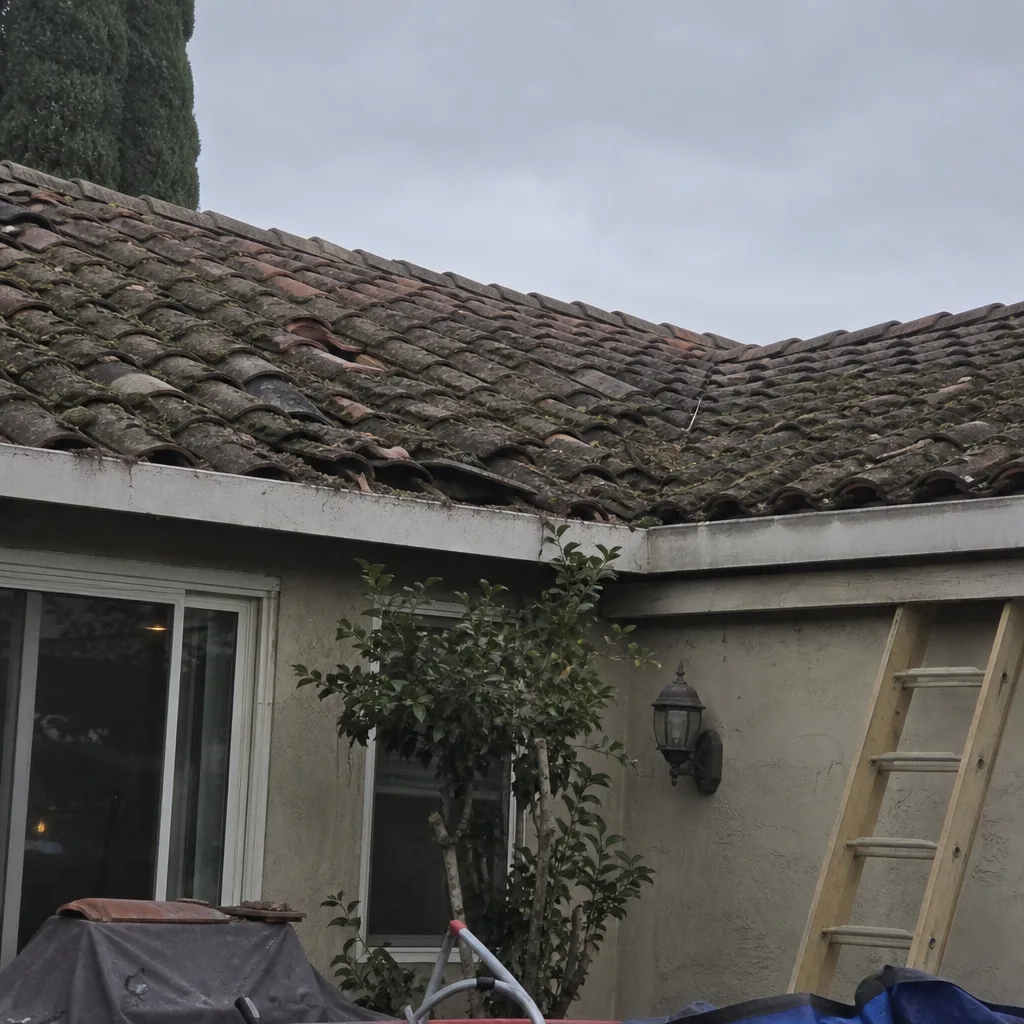 Before
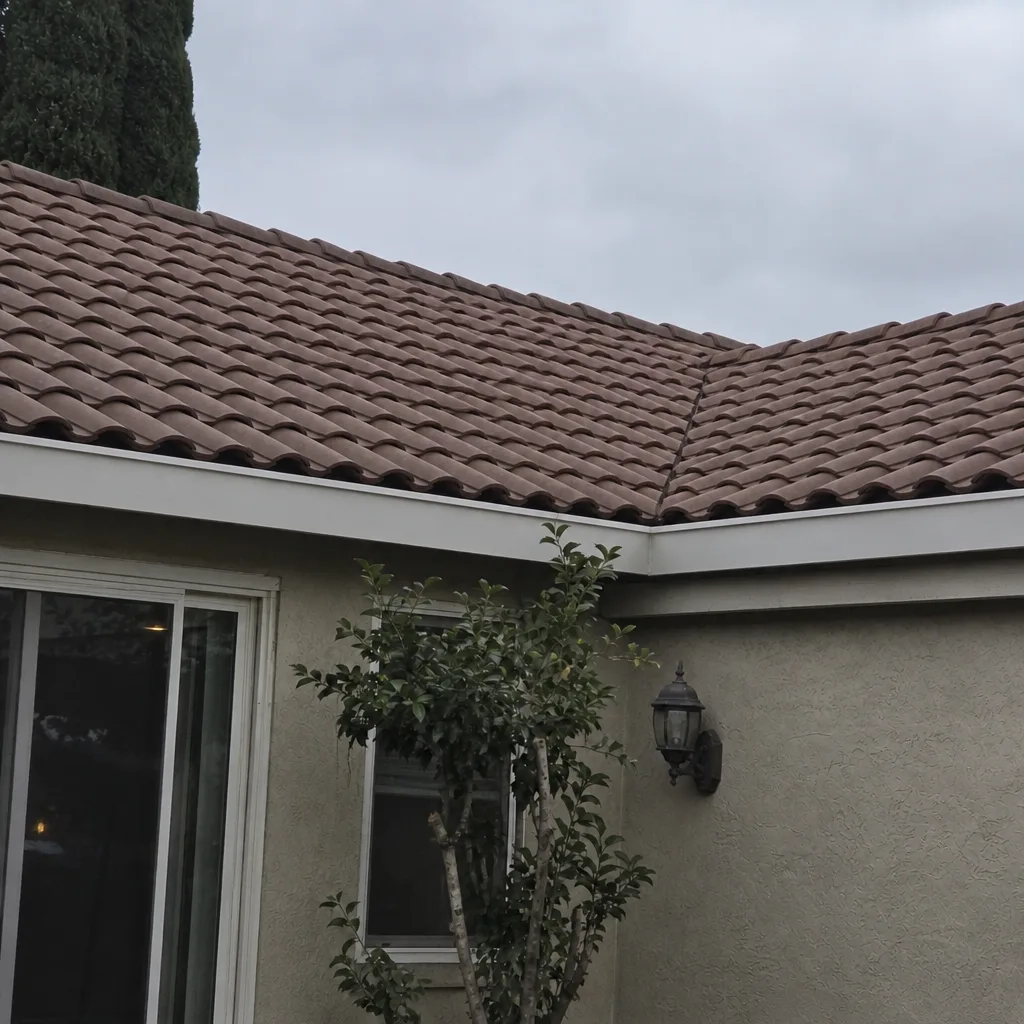 After
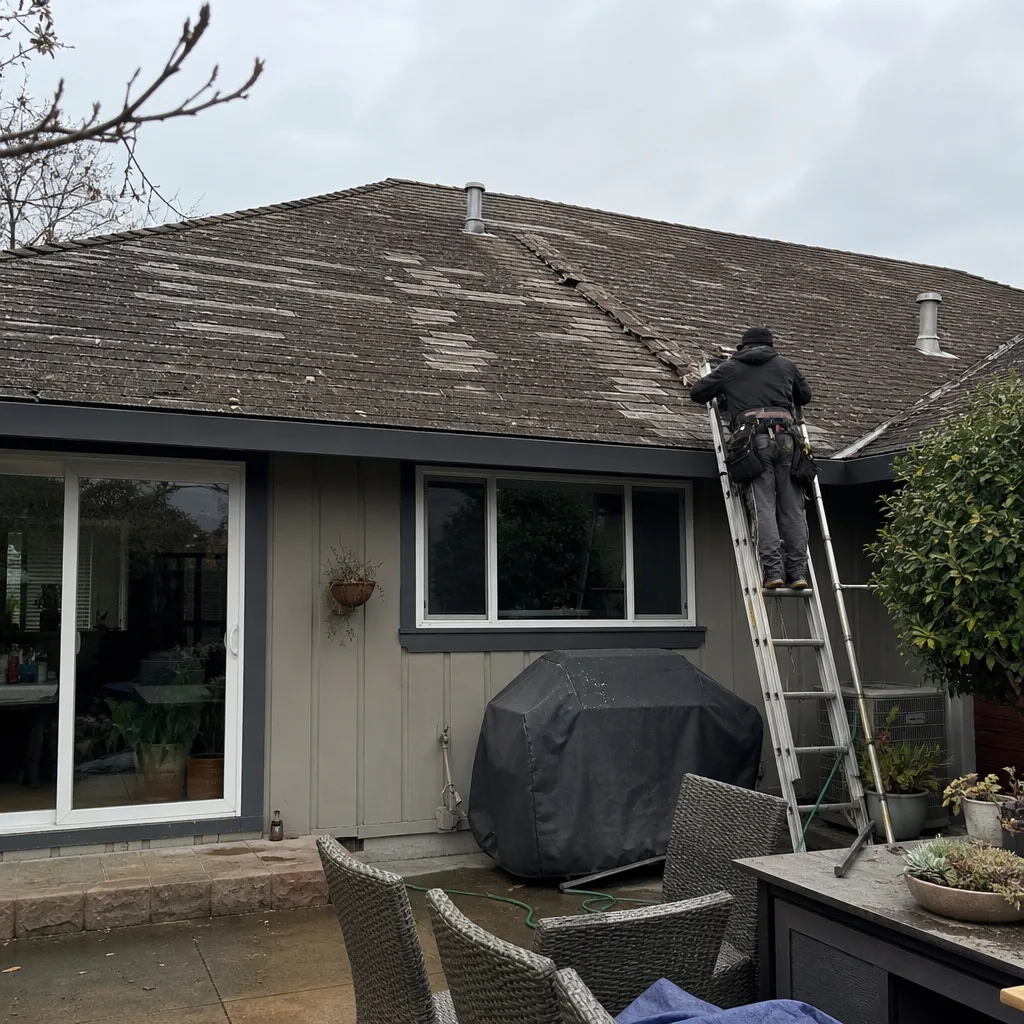 Before
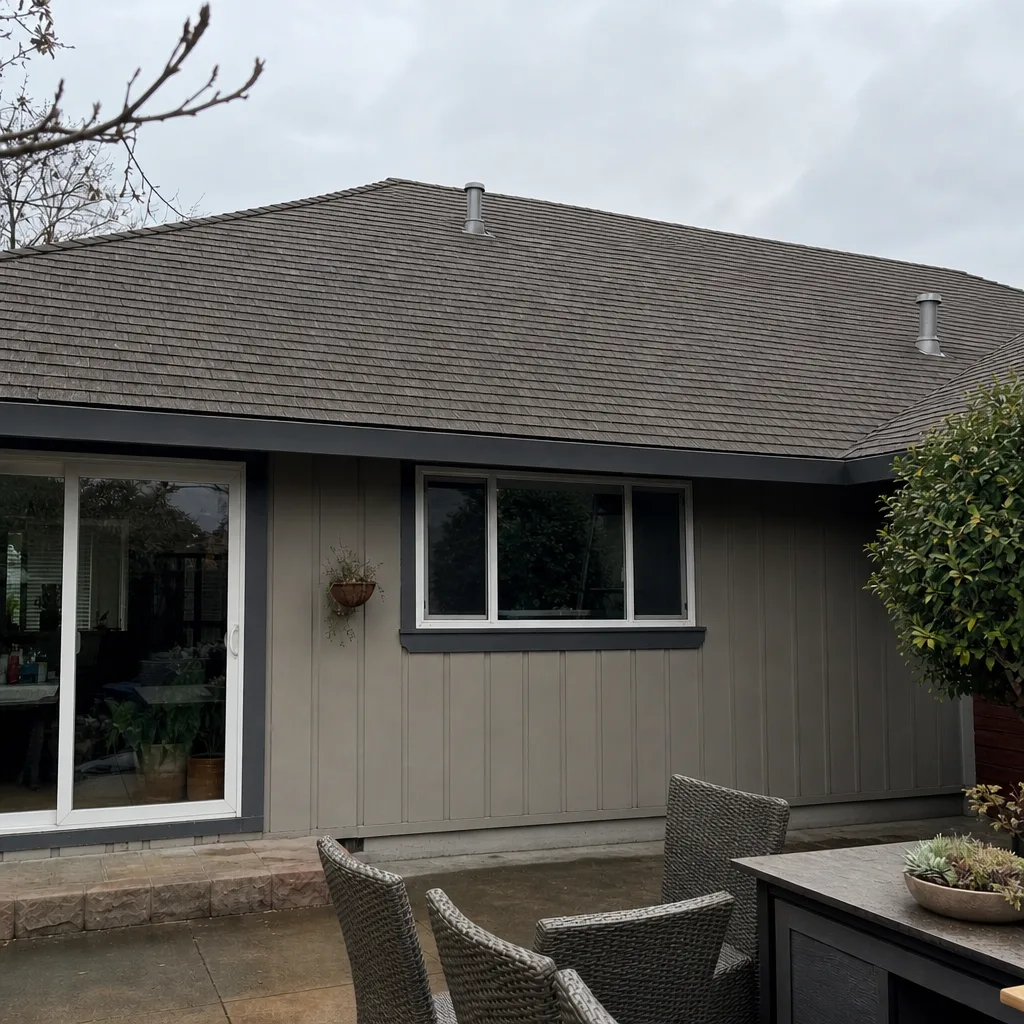 After
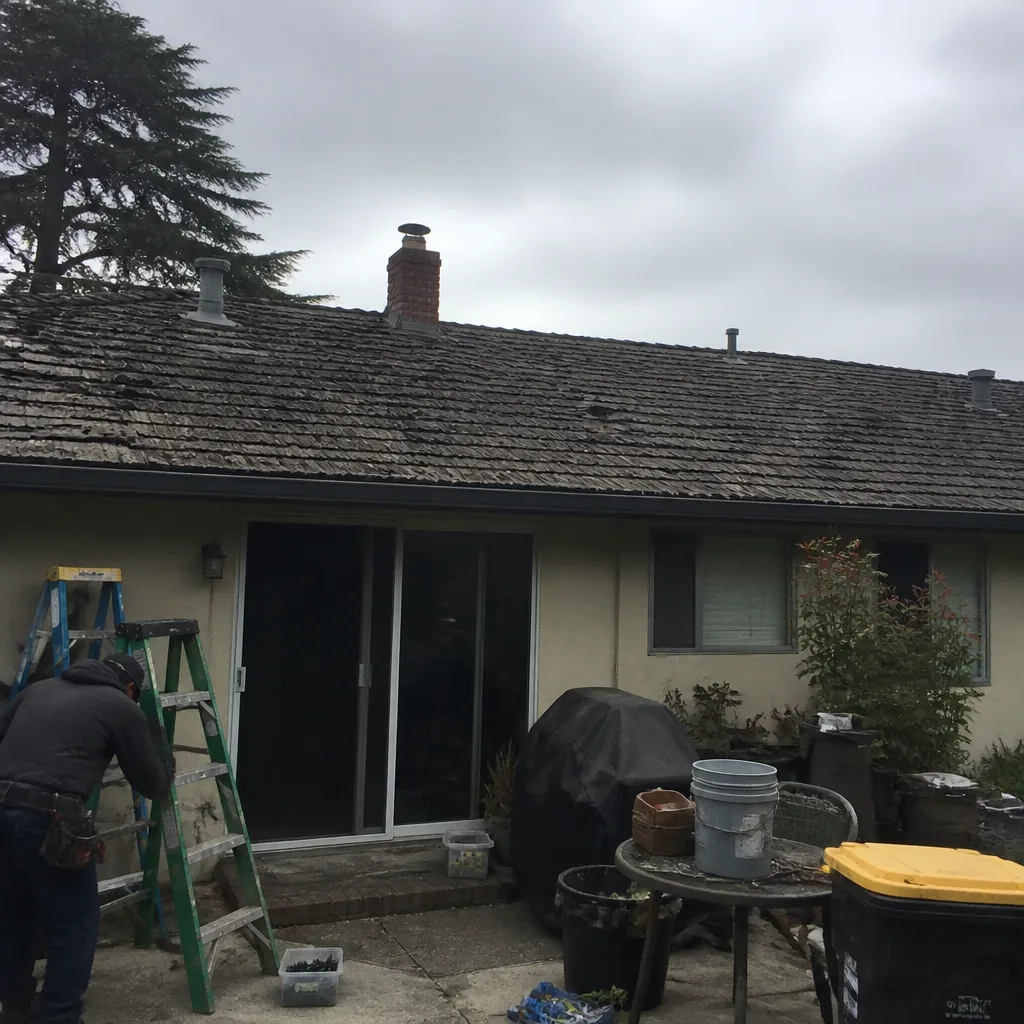 Before
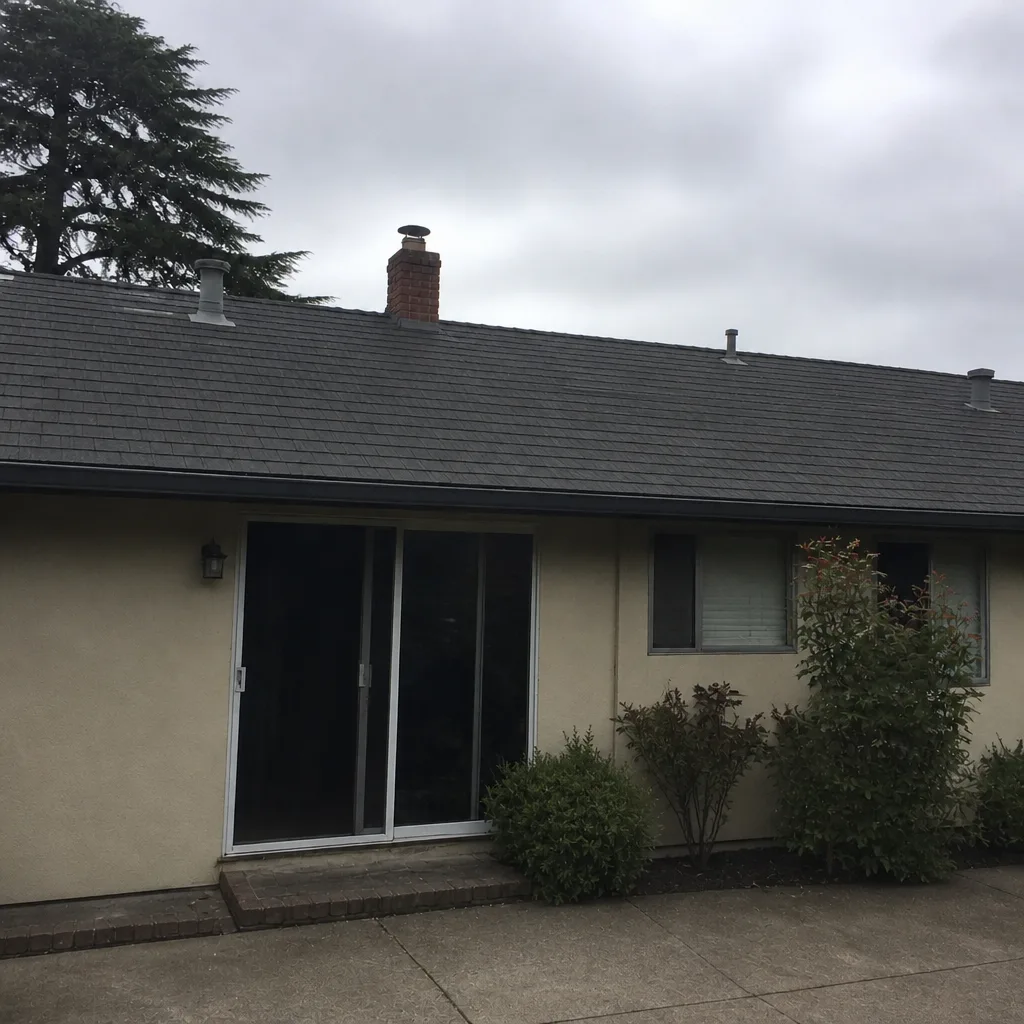 After
When to Call a Professional
Some signs belong to a technician, not a homeowner. Call a professional if you see a sagging roofline, water entry during rain, a repeat leak, counter-flashing pulled away from a chimney, or dark and spongy decking in the attic. Call if you’ve just had a major storm with visible damage from the ground. And call if your roof is old enough that you simply don’t know its condition; the point of an inspection is to replace uncertainty with facts. Never climb onto the roof yourself, particularly a steep or high roof, to investigate a possible leak. Sunnyvale Roofer offers free estimates in Sunnyvale with written, line-item quotes and fixed pricing, so call (833) 349-3199. We answer 24/7 with fast dispatch from 7am to 7pm, Sunday through Friday.
Frequently Asked Questions
The most common are granule loss on composition shingles, algae streaking, cracked flashing caulk, and rust streaks below chimney or skylight areas. Attic signs like compressed insulation or darkened rafters are equally common and easier to miss. Any of these deserves a closer look from a trained professional.
You need repair if the problem is localized: granule loss in one area, a single flashing failure, or a leak with an identifiable source. You need replacement when damage is widespread, the roof is at or near the end of its life, or multiple leaks keep returning. An honest roof repair assessment starts with a true inspection, and we tell you which situation applies. Call (833) 349-3199 for a free estimate.
Life span depends on material, ventilation, and how the roof is maintained. A composition shingle roof commonly lasts 15 to 25 years, while tile can last decades with the underlayment replaced along the way. Sunnyvale’s mild, dry summers tend to be easier on roofs than harsher climates, but age still shows up in the details.
Yes, in most cases. The early signs live in areas other than the ceiling: attic rafters, insulation, flashing caulk, and shingle condition. Regular checks from the ground and a yearly attic inspection give you the best chance of catching a leak months before it shows through drywall.
No. Algae streaking on shingles is almost always cosmetic and doesn’t require roof replacement. It’s most useful as a clue: if the streaks are heavy and the shingles nearby are also losing granules or curling, that’s the situation to have assessed. A free inspection separates cosmetic from structural.
A small repair can become major: water reaches sheathing and framing, costs climb, and replacement becomes the only practical option. Waiting doesn’t only cost more at the roof level; it can reach interior walls and insulation. If you’ve spotted a 90-day or same-week sign, call (833) 349-3199. Estimates are free.
The Bottom Line
The signs that protect your wallet are mid-stage, not end-stage. Learn to read granule loss patterns, flashing wear, and attic conditions now, and you’ll have 12 to 24 months of runway before a small repair turns into a replacement. Use the severity scale in this guide: monitor monthly, schedule within 90 days, or call this week. Take photos, do the annual attic check, and treat flashing as seriously as the shingles. When it’s time to look closer, call (833) 349-3199 for a free inspection and estimate. We answer 24/7, with fast dispatch from 7am to 7pm, Sunday through Friday. We work with seven major roofing brands so material recommendations follow your roof, not supply pressure. For a full-service approach that covers inspection, repair, and roof replacement under one roof, you’ll find more about Sunnyvale and our service at the homepage.
Written by the team at Sunnyvale Roofer.