
Last updated November 15, 2026
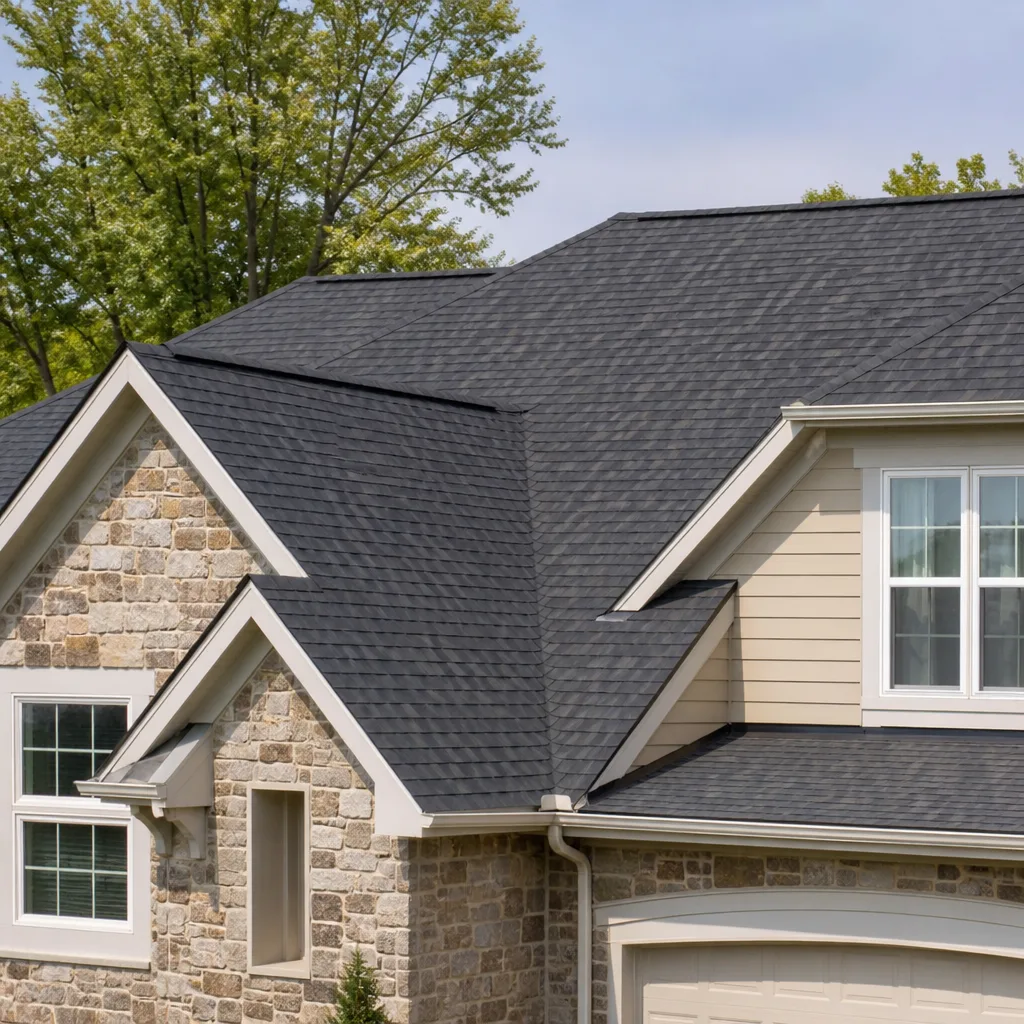
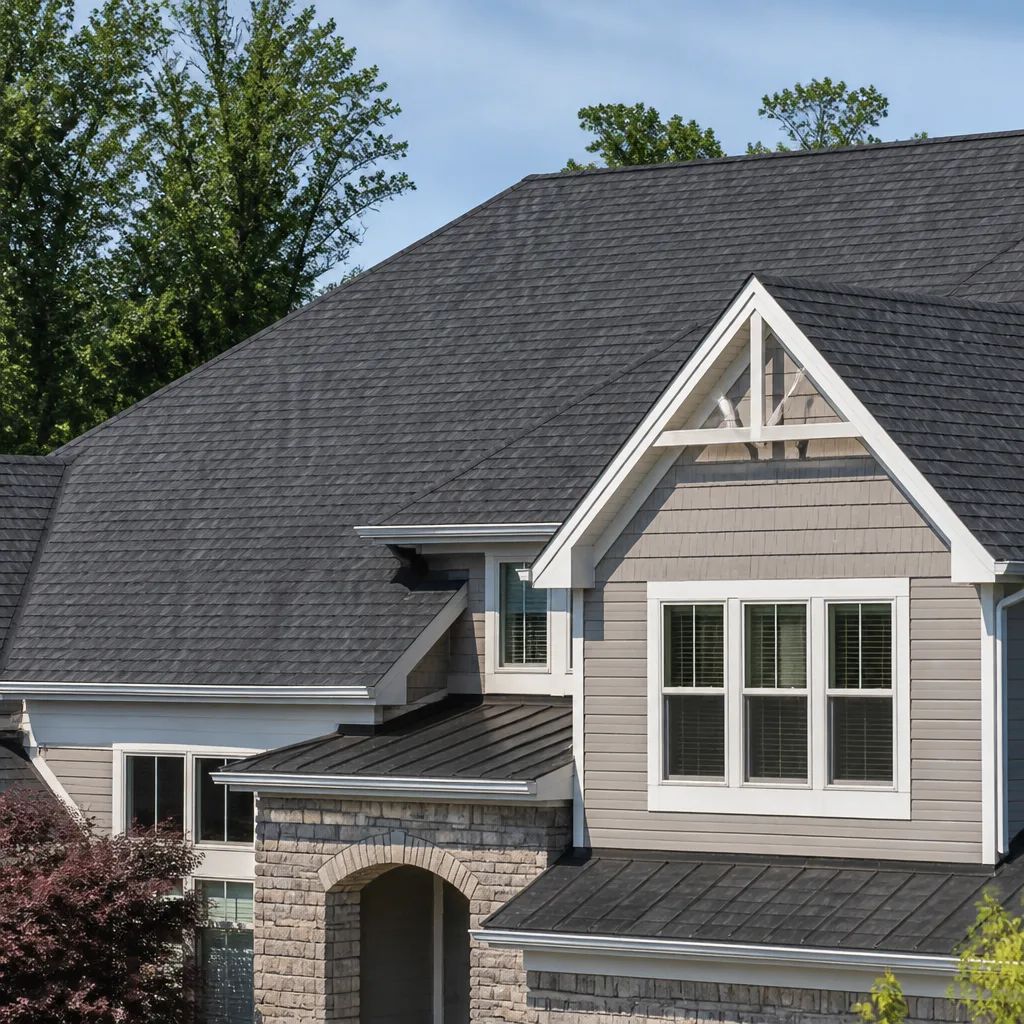 Architectural shingles
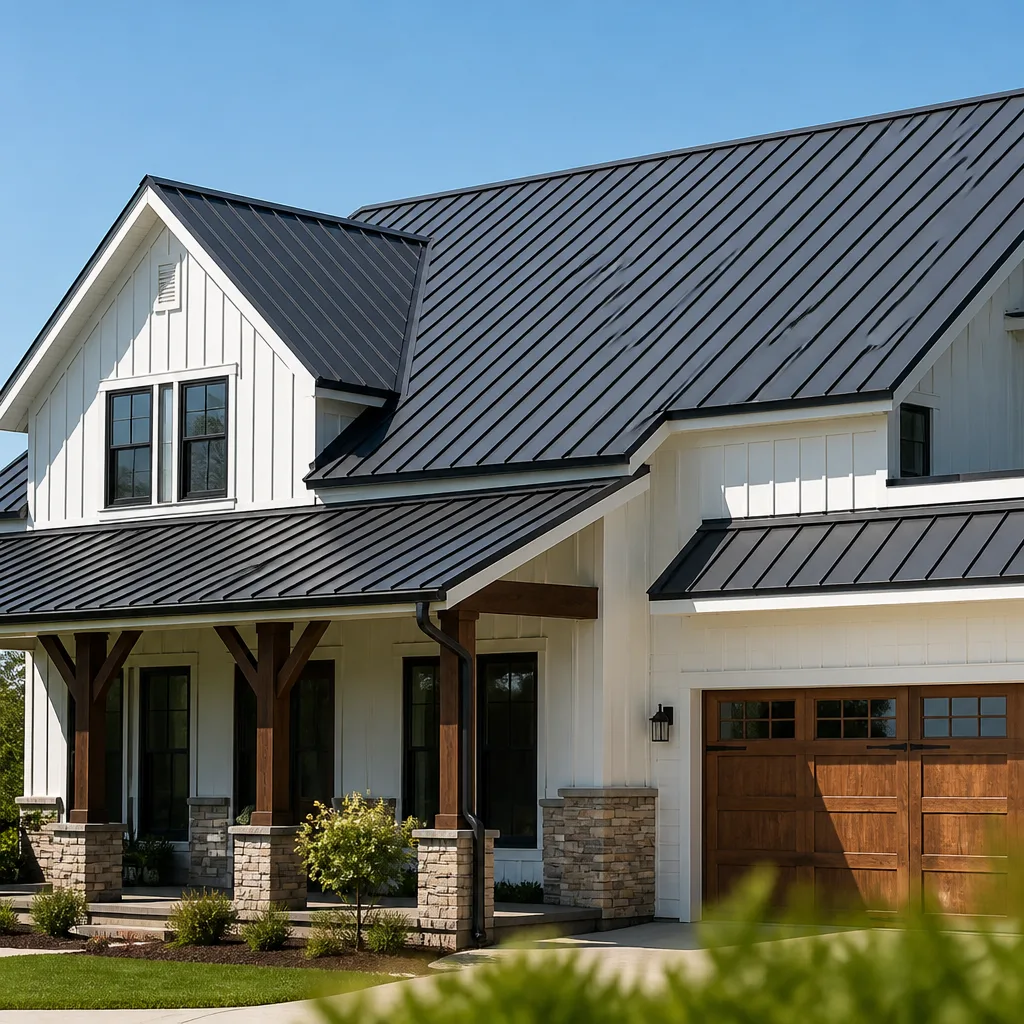 Metal roofing
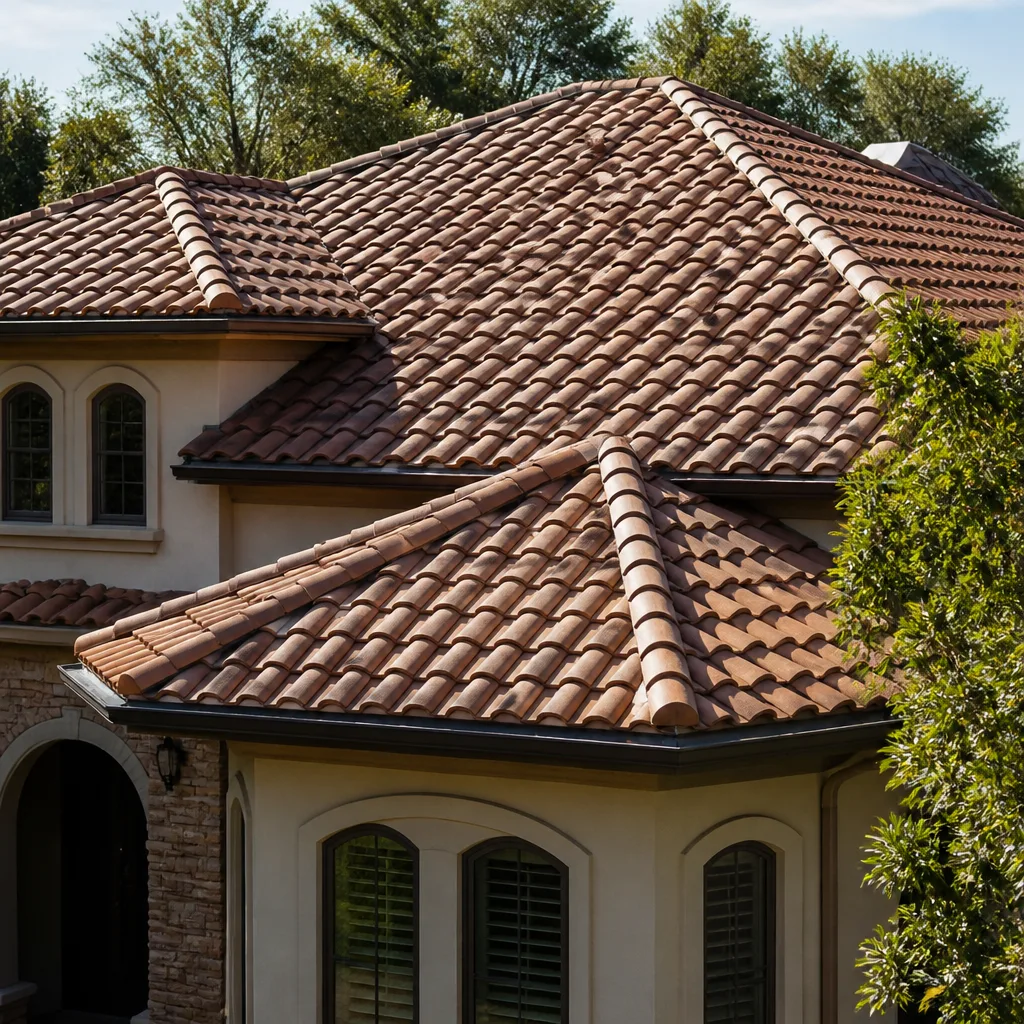 Tile roofing
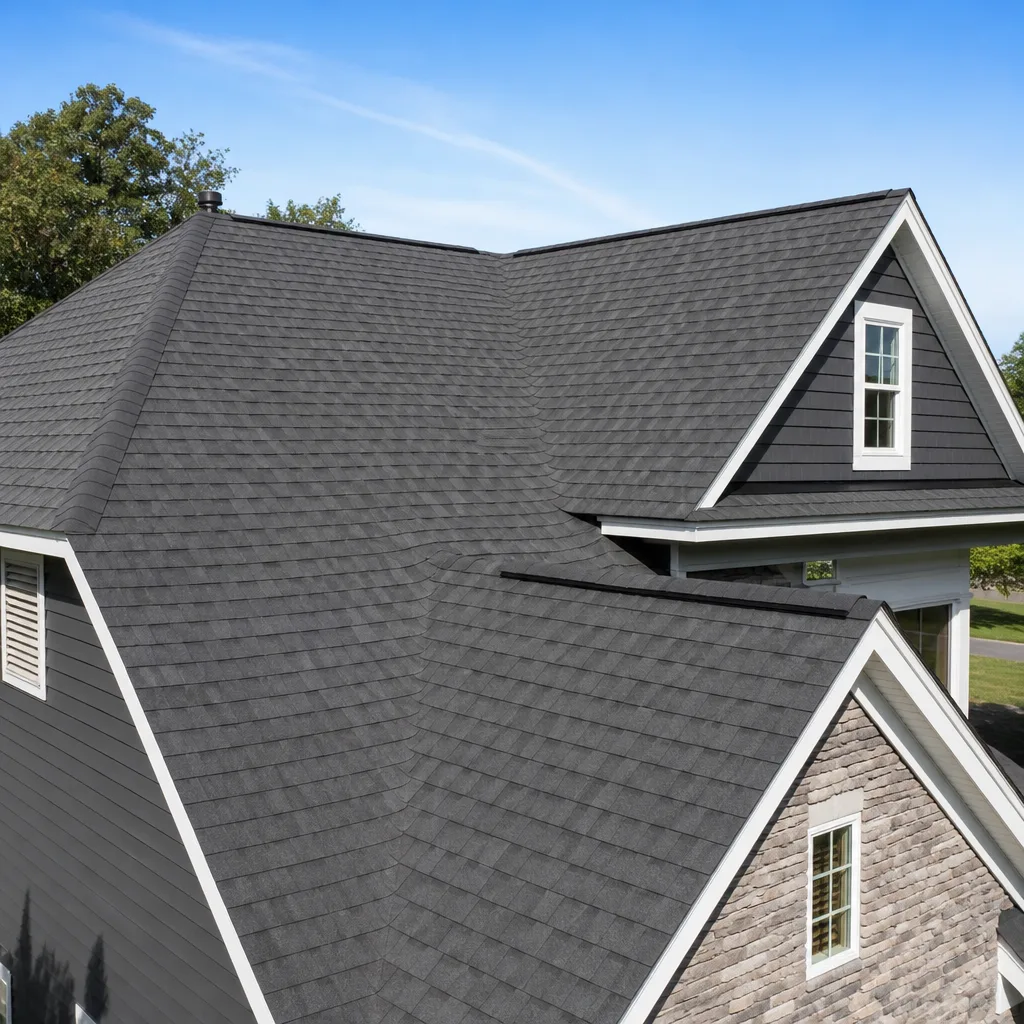 GAF
 Owens Corning
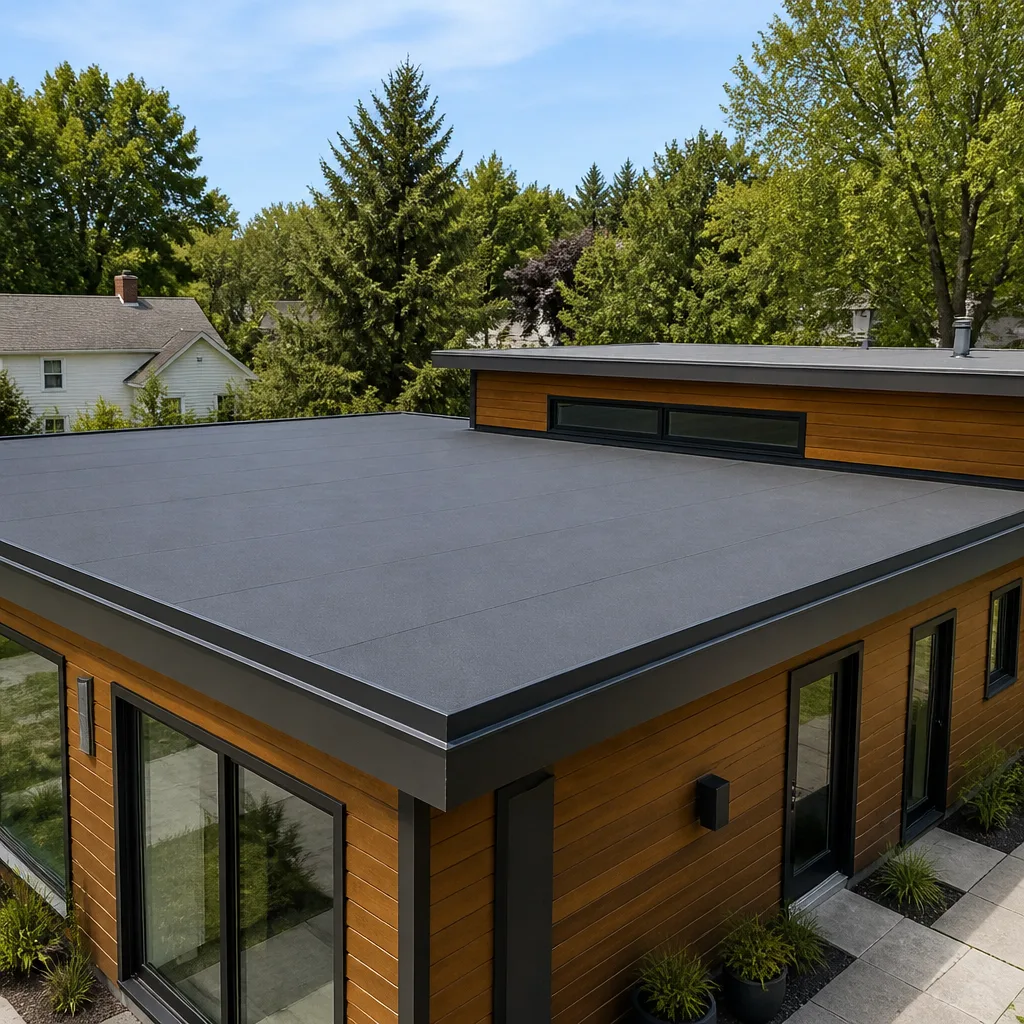 Flat & low-slope
Free roof inspection with deck photos before we talk money - GAF and Owens Corning certified installation
The Complete Roof Repair Guide for Sunnyvale Homeowners
Most roof repair advice you’ll find online is written for a climate that doesn’t exist here. It talks about ice dams, freeze-thaw cycles, and heavy snow loads. Sunnyvale doesn’t have those problems. What we do have is a Mediterranean climate that delivers only about 15 inches of rain a year, spread across a short wet season, followed by months of dry, warm weather. You’d think that would be gentle on roofs. It isn’t. The real damage comes from the cycling: shingles expand in the afternoon heat, contract overnight, and over years that movement cracks sealants, lifts edges, and opens paths for water. This guide explains how roofs actually fail in Sunnyvale, how a proper inspection works, when repair makes sense versus replacement, and how to protect your investment for the long haul.
Quick Answer
Roof repair in Sunnyvale is usually driven by thermal expansion stress and moisture cycling rather than heavy rain volume. Most leaks we diagnose trace back to failed flashing, cracked sealant at penetrations, or shingle edges that have lifted through years of wet-dry movement. A proper repair starts with a full inspection of the ridge, flashing, and attic, not just a glance at the surface shingles.
Styles & brands we work with
- Architectural shingles
- Metal roofing
- Tile roofing
- GAF
- Owens Corning
- Flat & low-slope
Table of Contents
- How Sunnyvale’s Climate Stresses Your Roof
- The Inspection Sequence Before Any Repair Decision
- Material-Specific Repair Logic: Why Brand Matters
- Repair vs. Replacement: Age and Damage Thresholds
- Flashing, Seismic Movement, and Hidden Leaks
- Documenting Repairs for Insurance and Resale
- What Roof Repair Typically Costs
- Common Mistakes to Avoid
How Sunnyvale’s Climate Stresses Your Roof
Sunnyvale sits in a Mediterranean climate: wet winters, dry summers, and wide day-to-night temperature swings. That pattern creates a specific kind of wear that wetter parts of Northern California don’t see in the same way. In rainier regions, roofs stay damp and the main enemy is prolonged moisture. Here, the roof dries out fast, then gets wet again, then dries again. That repeated wet-dry cycling is what cracks sealants and works shingle edges loose.
The sun does its share too. Asphalt shingles absorb heat all afternoon and radiate it back as the temperature drops. The granules on the surface erode gradually, and the asphalt beneath them becomes brittle. Concrete-heavy neighborhoods and large paved areas hold heat and release it slowly, which can keep roof surface temperatures elevated well into the evening. Over a season, that’s thousands of small expansion and contraction events.
What this means practically:
- Sealant fails before shingles do. The mastic around vents, pipes, and flashing cracks from movement long before the shingle field wears out.
- Shingle edges lift. Adhesive strips that bond one course to the next can release, letting wind and water get underneath.
- Attic heat compounds the problem. Poor ventilation traps heat, accelerates material aging, and can drive moisture condensation on the underside of the deck.
- Winter rain finds every gap. When the wet season arrives, all those small summer cracks become entry points.
Understanding this cycle changes how you approach repair. You’re not just patching a hole; you’re restoring the roof’s ability to handle movement without opening seams. That’s the difference between a fix that holds and one that fails again in a couple of seasons.
The Inspection Sequence Before Any Repair Decision
A repair decision should never be made from the ground or from a quick look at the shingles. The problems that cause leaks in Sunnyvale are often invisible from the surface. A thorough inspection follows a sequence, and each step informs the next. That’s why we offer inspection as its own service, separate from repair, so you get an honest diagnosis before anyone talks about fixing or replacing anything.
Here’s the sequence a qualified roofer should follow:
- Attic check first. Before anyone gets on the roof, the attic tells a story. Look for water staining on the deck and rafters, daylight showing through, damp insulation, and signs of condensation. Attic moisture is often the earliest warning sign.
- Ridge and hip inspection. The ridge cap takes the most direct sun and wind exposure. Check for cracked caps, exposed nails, and separation along the ridge line.
- Flashing review. Every penetration is a potential leak: chimney, skylights, vents, and the wall-to-roof junctions. Check for lifted metal, failed sealant, and gaps where flashing meets shingle.
- Valley and gutter assessment. Valleys channel water. If they’re clogged with debris or the gutter pitch is off, water backs up under shingles. Check gutters and downspouts for flow.
- Shingle field survey. Only now do you walk the field, looking for granule loss, cracked shingles, lifted edges, and nail pops.
- Documentation. Photos of every issue, with location noted, so you have a written record before any work begins.
This sequence matters because it prevents the most common error in roof repair: fixing the visible symptom while the actual source stays hidden. If you want a professional to walk through this with you, Sunnyvale Roofer performs standalone inspections with no replacement requirement attached.
Material-Specific Repair Logic: Why Brand Matters
A shingle is not a generic product, and the repair technique that works on one manufacturer’s shingle may not preserve the warranty or the seal on another. This is where working with a roofer who handles multiple brands matters. We install and service materials from GAF, CertainTeed, Owens Corning, IKO, and others, which means the repair approach is chosen for the shingle on your roof, not for whatever happens to be on hand.
Here’s how brand and product line affect repair decisions:
- Adhesive strip behavior differs. The self-sealing strip on a GAF shingle and the strip on an IKO shingle are formulated differently. If you try to re-seal a lifted tab with the wrong technique or sealant, you can compromise the bond or void the warranty.
- Overlap and exposure vary. Shingles from different manufacturers have specific exposure recommendations. A patch that doesn’t respect those can create a water path or leave the repair looking mismatched.
- Warranty preservation requires matching products. If a repair uses a shingle from a different line than the original installation, manufacturers like CertainTeed or Owens Corning may not honor a warranty claim down the road. Matching the product line keeps coverage intact.
- Color and profile matching. Beyond function, a mismatched patch is visible from the street. Access to multiple brands means a closer match is possible.
The practical takeaway: when you get a repair quote, ask what product is going on the roof and whether it matches what’s already there. A roofer who can answer that across brands is better positioned to protect your warranty and your home’s appearance. That’s the advantage of a material-agnostic approach: the right product for your roof, not the one easiest to sell.
Repair vs. Replacement: Age and Damage Thresholds
The hardest question in roof repair is also the most important: is this fix a sound investment, or is it delaying the inevitable? In our experience inspecting roofs across Sunnyvale, the answer usually comes down to age, extent of damage, and whether the problems are isolated or systemic.
As a general guideline, here’s how we think about the two paths:
- Repair is usually the right call when the roof is under roughly 15 years old, the damage is confined to one area or a few penetrations, the shingle field is still pliable with granules intact, and the flashing or leak source is identifiable.
- Replacement deserves serious consideration when the roof is past 20 years, shingles are brittle and losing granules across large areas, multiple leaks have appeared in different spots, or the decking shows widespread moisture damage.
- The in-between zone is 15 to 20 years, where a targeted repair can buy time but only if the underlying material has enough life left. This is where an honest inspection matters most, because a repair that fails in two years costs more than a replacement would have.
A repair is a sound investment when it addresses a specific, contained problem and the surrounding roof has life left. It’s a delay tactic when the same failure keeps reappearing because the material itself is at end of life. We’d rather tell you that plainly than sell a patch that won’t hold. If replacement is the honest answer, roof replacement is a service we handle from start to finish, so you’re not sourcing a second contractor.
Flashing, Seismic Movement, and Hidden Leaks
Flashing is the metal that seals the junctions where your roof meets walls, chimneys, skylights, and vents. It’s also the most common leak source in Sunnyvale, and seismic movement is part of the reason. The region experiences small ground movements over time, and those movements work on the rigid connections in a roof assembly. Flashing that was tight when installed can loosen, lift, or separate as the structure shifts.
Add thermal expansion to the picture. Metal flashing expands and contracts at a different rate than the shingles and sealant around it. Over years, that differential movement opens hairline gaps. Water finds those gaps during the wet season, and because flashing is often at the edge of the roof or around a penetration, the leak shows up far from the source. A stain on the ceiling rarely sits directly under the entry point.
What to look for:
- Lifted or separated flashing at the chimney, skylights, and wall junctions.
- Cracked or peeling sealant along any metal edge.
- Exposed fasteners where nails have backed out through movement.
- Rust or corrosion on flashing that suggests it’s nearing the end of its life.
Flashing repair is precise work. The wrong fix, like smearing sealant over a gap without addressing the underlying separation, fails within a season. A proper repair re-seats or replaces the flashing and seals it correctly. When you book roof repair with us, flashing gets checked as part of every job, because it’s where the water gets in.
Documenting Repairs for Insurance and Resale
Roof repairs leave a paper trail, or they should. In Santa Clara County, when you sell a home, you’re required to disclose known material facts, and roof condition and repair history fall squarely in that category. Buyers and their inspectors will ask. Having clean documentation protects you at resale and makes any insurance claim far easier to navigate.
What a well-documented repair includes:
- Photos before, during, and after. Show the damage, the repair in progress, and the finished work. Date-stamp them if possible.
- A written description of the work. What was repaired, what materials were used, which brand and product line, and why.
- Invoices and receipts. These establish the cost and date of the work.
- Warranty information. If the repair is covered by a manufacturer warranty or a workmanship warranty, keep the documentation together with the invoice.
- Permit records, if applicable. Some repairs require permits. Keep the inspection sign-off with your records.
For insurance claims, the key is that the documentation shows the cause and the timing. If a storm or impact damaged your roof, photos taken before any repair begins are critical. Insurers want to see the damage as it was, not after it’s been covered up. We can work with your insurer and provide the documentation needed to support a claim. Keeping this record also makes the eventual replacement decision easier, because you can see the repair timeline and judge whether the roof is still worth patching.
What Roof Repair Typically Costs
Roof repair pricing depends on the scope, the materials, and how accessible the problem is. The ranges below are typical estimates for common repairs, not a quote for your specific roof. The written estimate you receive after an inspection sets the final price, and it’s free.
| Repair Type | Typical Estimated Range |
|---|---|
| Minor shingle repair or patching | $250 – $600 |
| Flashing repair at chimney or skylight | $300 – $800 |
| Vent or pipe boot replacement | $200 – $450 |
| Valley repair or re-sealing | $400 – $900 |
| Larger section repair (multiple areas) | $800 – $2,000 |
These numbers vary with material brand, roof pitch, and how much of the surrounding shingle field needs to be disturbed to do the repair correctly. A repair that requires matching a specific product line may cost more than a generic patch, but it protects your warranty and appearance. If you want an exact figure for your roof, call (833) 349-3199 for a free estimate. We inspect first, explain what we find, and give you a written line-item quote before any work begins.
Common Mistakes to Avoid
- Repairing the symptom, not the source. A ceiling stain is usually downstream from a flashing or sealant failure elsewhere. If the entry point isn’t found, the stain returns after the next rain.
- Using the wrong sealant on a lifted tab. Different shingle brands use different adhesive systems. Re-sealing with a mismatched product can void a warranty or fail within a season.
- Skipping the attic inspection. Dark stains, damp insulation, and daylight through the deck are early warnings. Ignoring them lets a small problem become a deck replacement.
- Letting a contractor patch without documenting. Photos and written records protect you at resale and with insurance. A repair with no paper trail is hard to prove later.
- Assuming a repair made the roof new again. In Sunnyvale’s climate, a repair restores function in one area. The rest of the roof keeps aging, and the next repair may be sooner than expected.
- Choosing a roofer locked into one brand. If the only product available doesn’t match your existing shingle, the repair can compromise warranty and appearance. Brand breadth keeps options open.
- Ignoring flashing because the shingles look fine. Flashing is the most common leak source, and it fails from movement long before the shingle field does.
When to Call a Professional
Some roof issues are obvious: a missing shingle, a visible crack, water on the ceiling. Others are quiet. If your roof is past 15 years old and you haven’t had it inspected, that’s a good reason to call. If you see granules collecting in gutters, shingles curling at the edges, or sealant cracking around flashing, those are signals that the roof’s protective layer is breaking down. If a leak appears after a storm, or a stain grows between rains, don’t wait for the next wet season. We offer free estimates on roof repair in Sunnyvale. Call (833) 349-3199 to schedule an inspection. We answer 24/7. Fast dispatch from 7am to 7pm, Sunday through Friday. Our technicians have up to 9 years of experience, and every job starts with an honest inspection before any recommendation.
See the difference
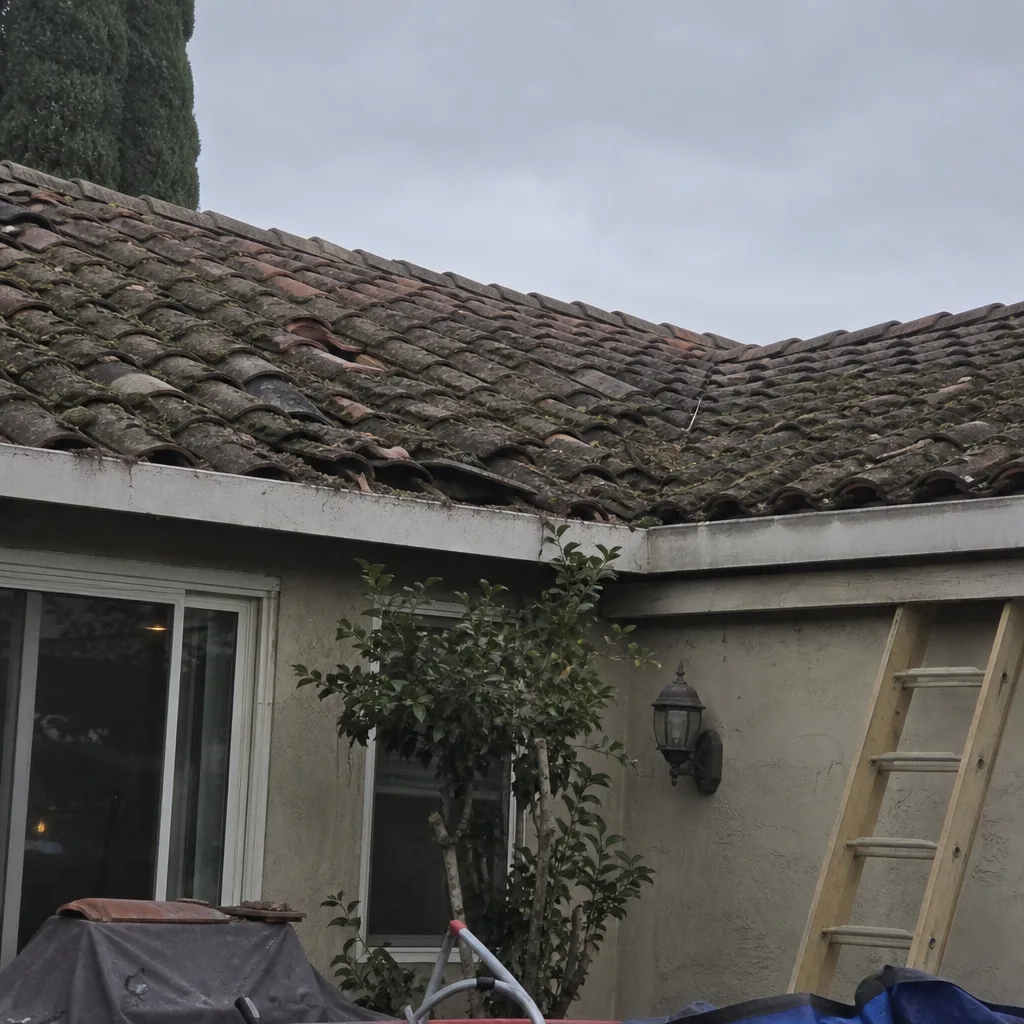 Before
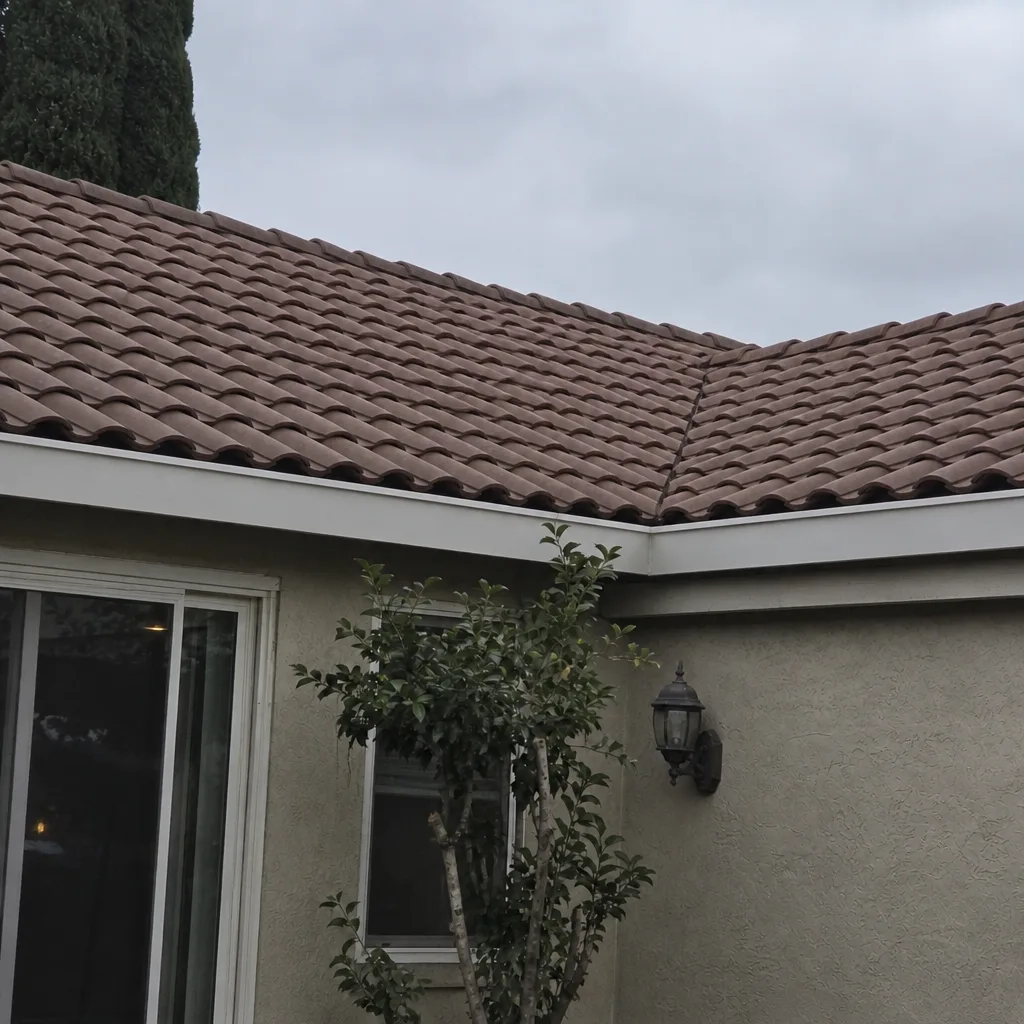 After
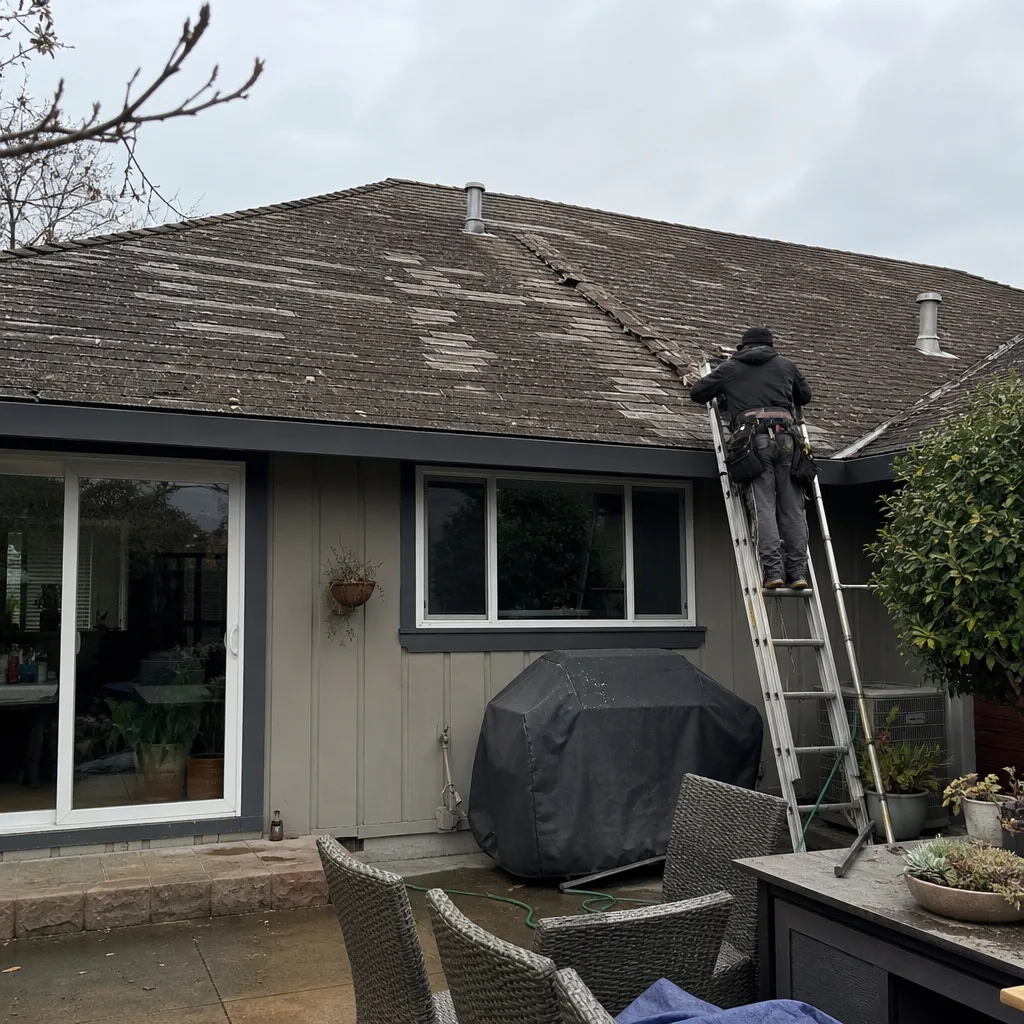 Before
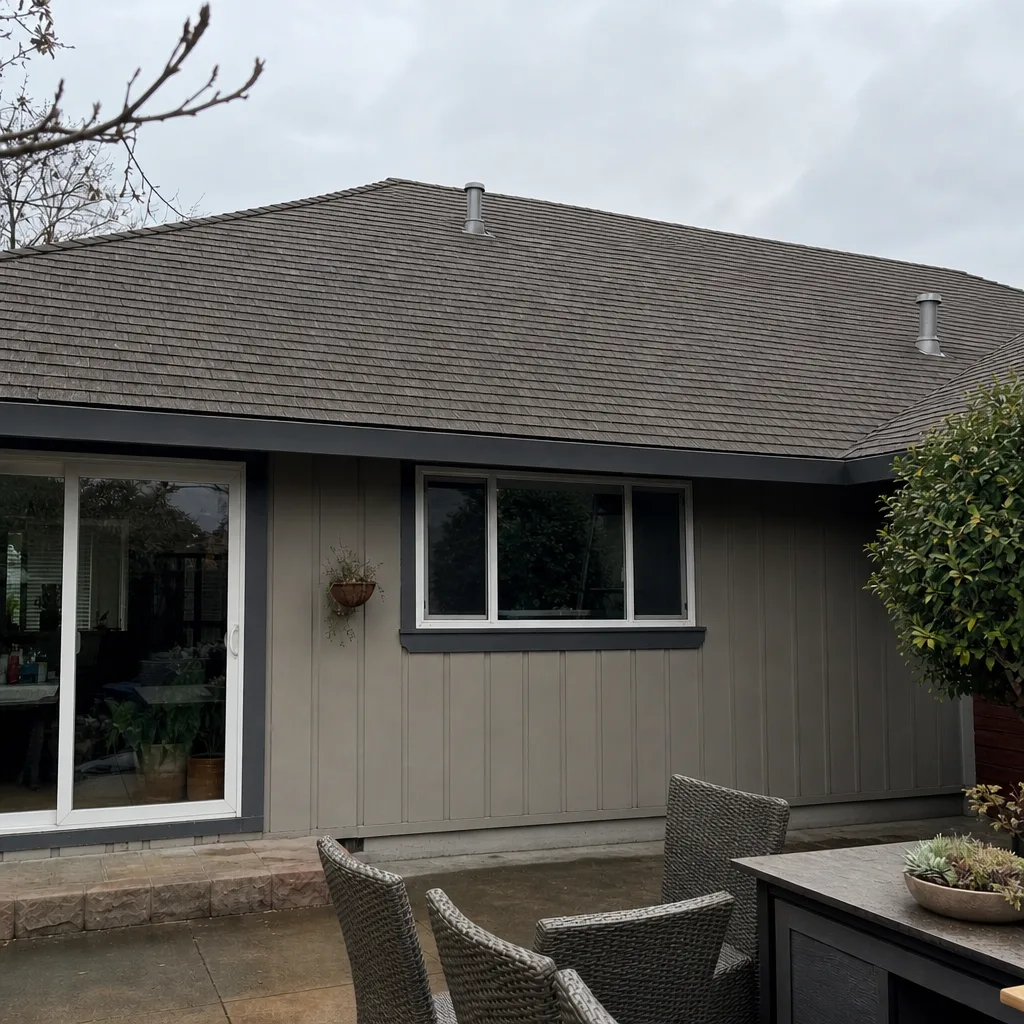 After
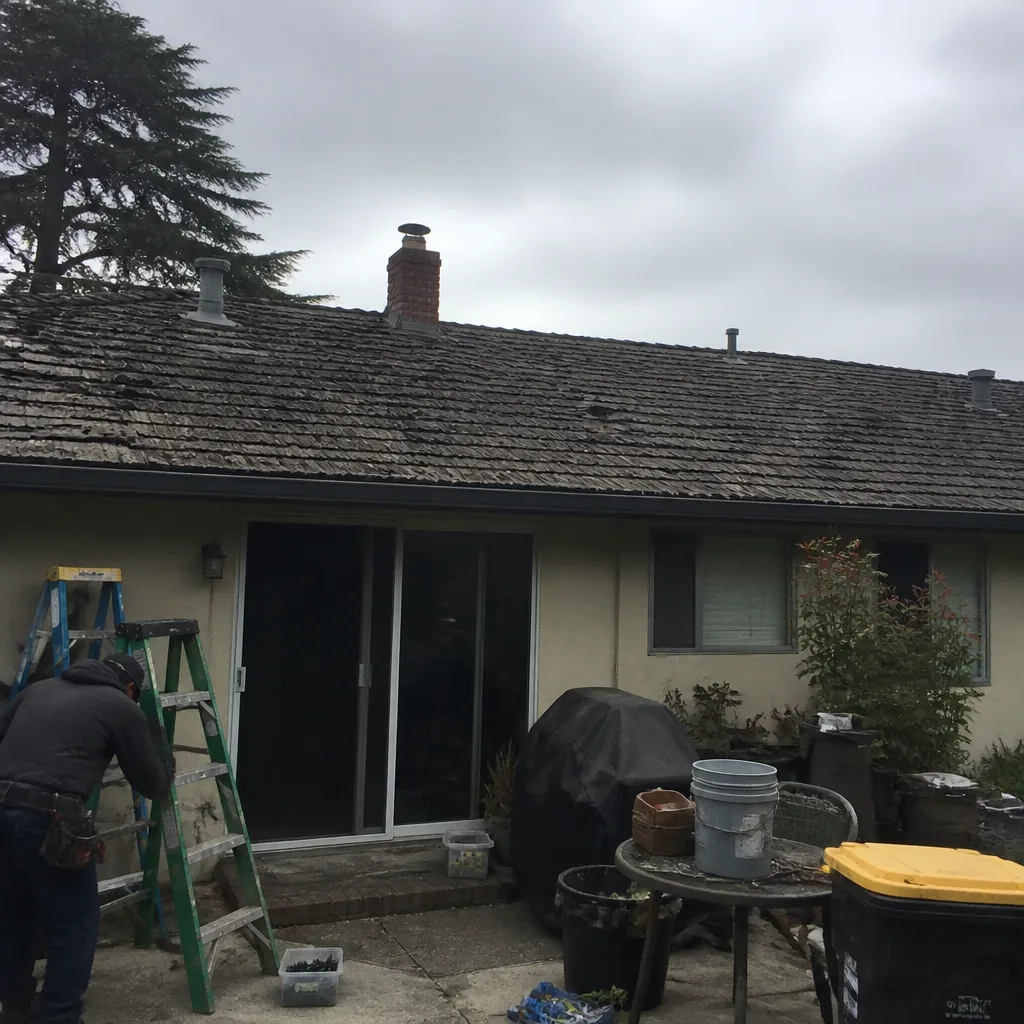 Before
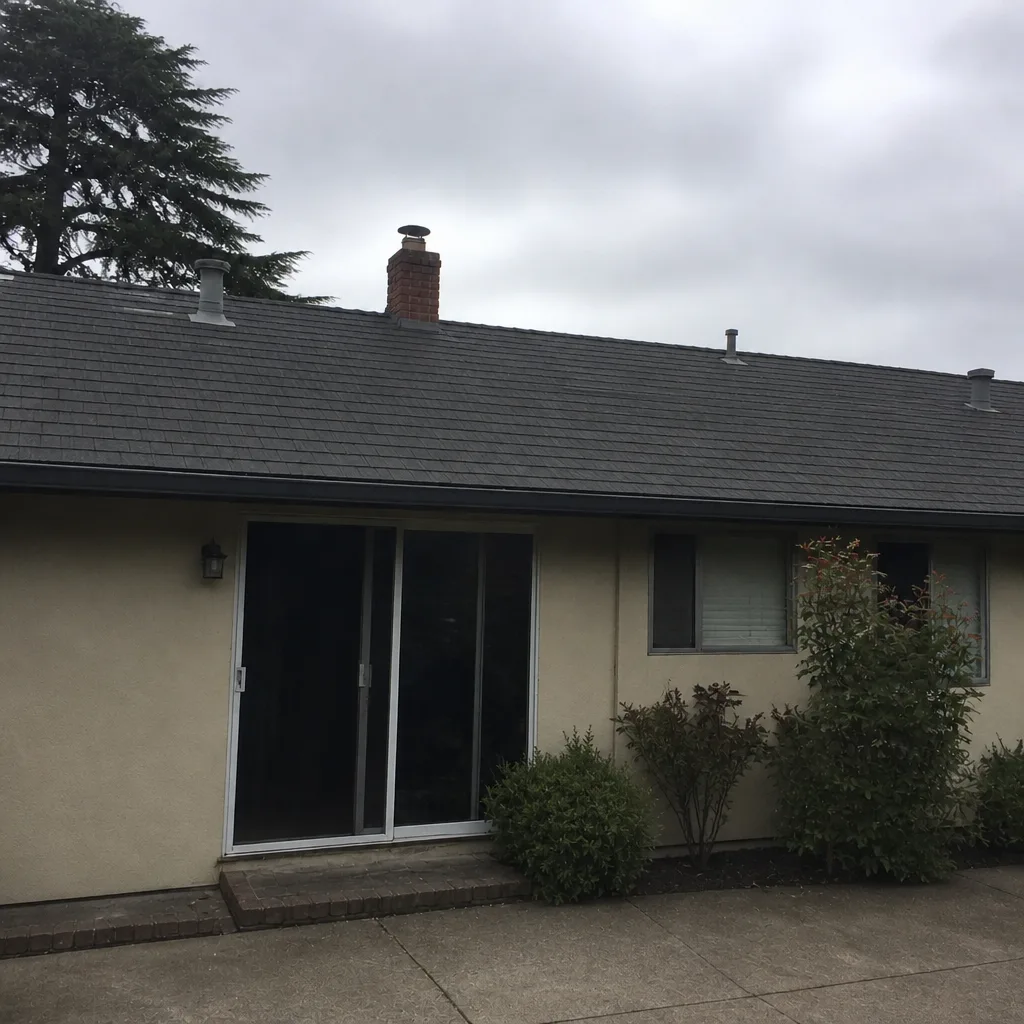 After
Frequently Asked Questions
Typical roof repair in Sunnyvale ranges from about $250 for minor shingle work to $2,000 or more for larger multi-area repairs, depending on the material and scope. Flashing repairs usually fall between $300 and $800. Call (833) 349-3199 for a free estimate with a written line-item quote.
Many leaks can be assessed and repaired the same day, depending on the source and materials needed. Call (833) 349-3199 and we’ll book you into the next opening. We answer 24/7. Fast dispatch from 7am to 7pm, Sunday through Friday.
If the roof is under about 15 years old and the damage is confined to a small area, repair is usually the right call. Past 20 years, with widespread granule loss or multiple leaks, replacement is likely the better investment. An inspection gives you the facts to decide, and ours is available as a standalone service.
Leaks here usually come from wet-dry cycling and thermal movement, not rain volume. Repeated expansion and contraction cracks sealants and lifts shingle edges, so even light rain finds a path. Flashing is the most common entry point.
No. The written estimate you receive after the inspection sets the price. If we find something unexpected during the repair, we stop and explain it before doing anything that would change the cost. Our quotes are line-item and fixed.
We work with seven leading roofing brands, including GAF, CertainTeed, Owens Corning, and IKO, so repairs can match your existing shingle and preserve warranty coverage. Material recommendations are driven by the roof’s needs, not by what’s in stock. Call (833) 349-3199 to discuss your roof.
The Bottom Line
Roof repair in Sunnyvale is less about heavy rain and more about how the roof handles the constant movement of a Mediterranean climate. Sun, dry air, wet winters, and seismic shifts all work on the same assembly, and the failures that follow are usually at the seams: flashing, sealant, and lifted shingle edges. A proper inspection sequence finds those problems before a repair decision is made. Brand-matched materials protect the warranty. Good documentation protects you at resale and with insurance. And an honest conversation about repair versus replacement saves money over the long run. Repair when repair makes sense. Replace only when it’s time. Starting with Sunnyvale means understanding exactly what this climate does to a roof.
Get a Free Roof Repair Estimate in Sunnyvale
If you’ve got a leak, a stain, or a roof that’s due for a look, the next step is an inspection, not a sales pitch. We’ll walk the roof, check the attic, review the flashing, and give you a written estimate with the options in plain language. Call (833) 349-3199 to schedule your free estimate. We answer 24/7. Fast dispatch from 7am to 7pm, Sunday through Friday. One call covers inspection, repair, and replacement, and the materials we recommend are matched to your roof from seven leading brands.
Written by the team at Sunnyvale Roofer.