
Last updated November 15, 2026
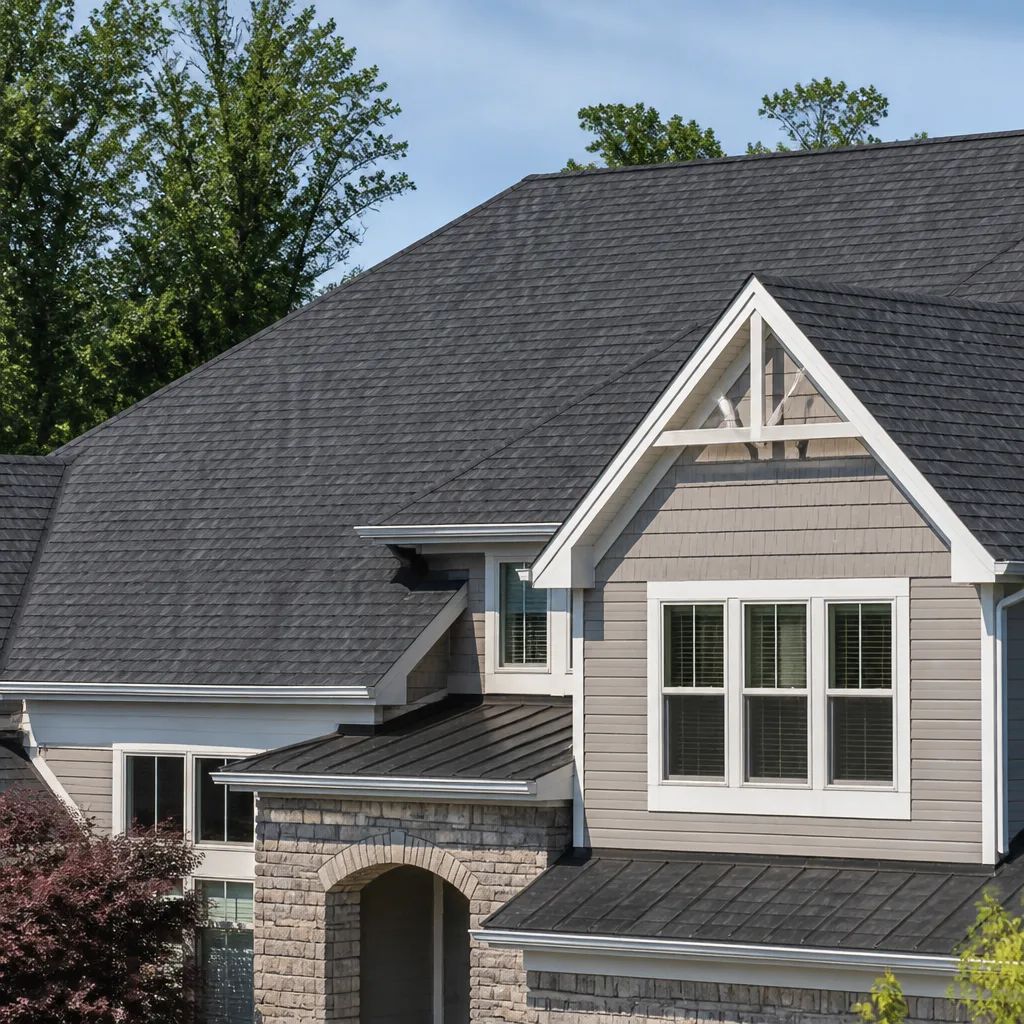 Architectural shingles
 Metal roofing
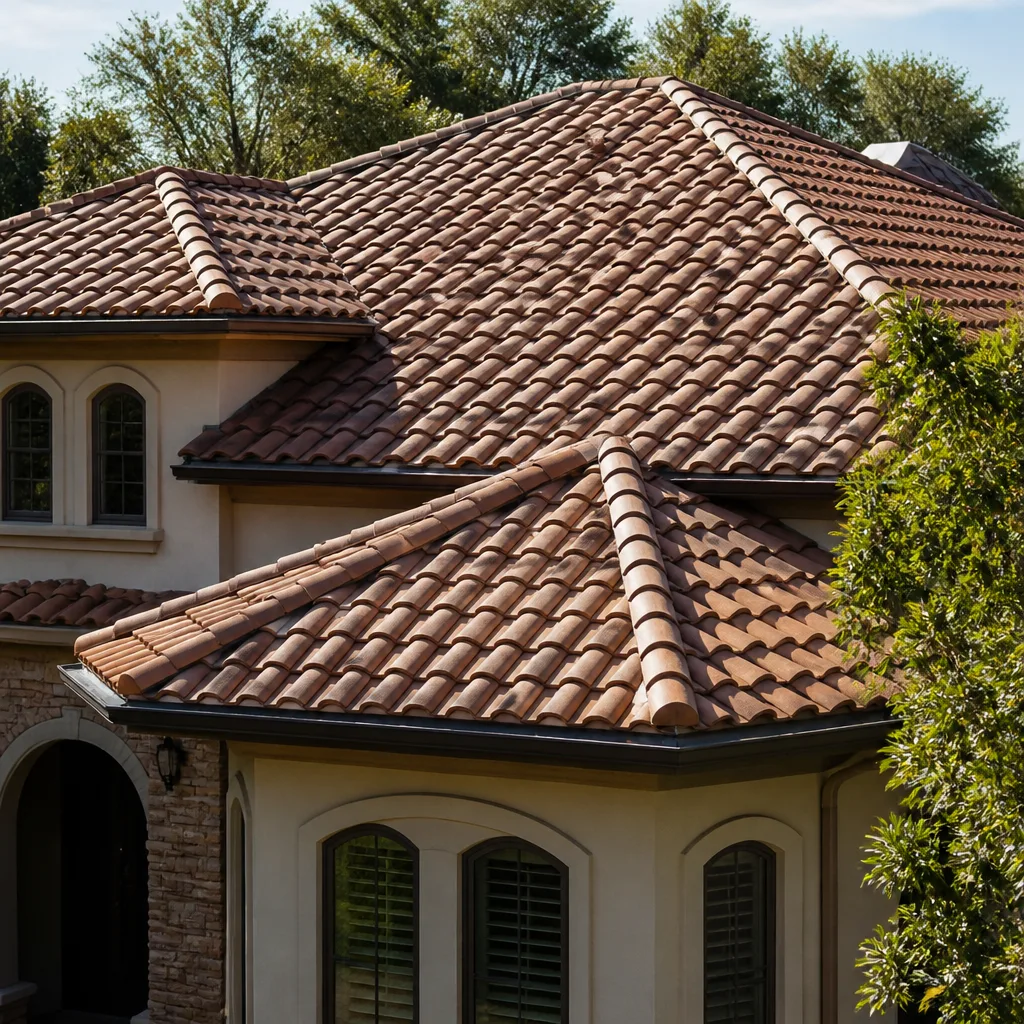 Tile roofing
 GAF
 Owens Corning
 Flat & low-slope
Free roof inspection with deck photos before we talk money - GAF and Owens Corning certified installation
Roof Repair Troubleshooting in Sunnyvale: Common Problems and How to Fix Them
That dark water stain on your ceiling is almost never directly below the actual leak. In most cases water travels three to six feet along rafters or sheathing before it finds a way through, which is why patching the obvious spot rarely solves the problem. Troubleshooting a roof is detective work, not guesswork: you start with the symptom, trace it back through the attic, and only then decide what the fix should be. This guide gives you that diagnostic framework. You’ll learn what each common symptom actually points to, what you can safely check yourself in Sunnyvale, and how to describe a problem clearly enough that the first estimate is the right one.
Quick Answer
Most roof problems in Sunnyvale trace back to four causes: failed pipe boots, separated flashing, worn sealant at penetrations, and poor attic ventilation. The symptom you see inside the house rarely sits directly under the cause, so the fix starts with tracing the water path from the attic, not patching the ceiling. Diagnose the cause first, repair it once, and replace the roof only when the shingles themselves are at the end of their service life.
Styles & brands we work with
- Architectural shingles
- Metal roofing
- Tile roofing
- GAF
- Owens Corning
- Flat & low-slope
Table of Contents
- Symptom-to-Cause Map: What Each Clue Actually Means
- How to Check Your Roof Safely Before You Call
- The Three Most Misdiagnosed Roof Problems in Sunnyvale
- What Looks Urgent But Isn’t, and What Looks Minor But Is Critical
- Attic Ventilation and Why It Shows Up as a Roof Problem
- How to Describe a Symptom So the First Estimate Is Accurate
- Repair or Replace? A Diagnostic Decision Path
- Common Mistakes to Avoid
Symptom-to-Cause Map: What Each Clue Actually Means
Troubleshooting starts by treating every visible clue as a data point. The same stain can come from three different failures, and the same failed flashing can show up in two places. Here’s how we read the most common symptoms on Sunnyvale homes.
Ceiling stains and discoloration. A brown ring on drywall means water reached the ceiling, but its position tells you little about the entry point. Water follows the path of least resistance along sheathing, rafters, or the top plate of a wall. The stain marks where it finally broke through, not where it started. A faint ring that grows after rain points to an active leak. A stain that hasn’t changed in years may be old damage from a repair already made.
Granules in the gutters. Every asphalt shingle sheds some granules over its life. A handful after a windy stretch is normal wear. A gutter packed with grit, or granules accumulating at downspout outlets, signals the shingle surface is breaking down faster than it should. On a younger roof that usually points to ventilation problems or a bad batch of shingles. On an older roof it’s a sign the shingles are near the end.
Lifted or curling shingle edges. Shingles that lift along their edges, curl at the corners, or lose their adhesive seal are usually reacting to heat, moisture, or nail placement. In Sunnyvale’s warm, dry summers, attic heat buildup is a frequent culprit. A lifted edge also lets wind-driven rain underneath, which is why a small lift can cause a surprisingly large interior stain.
Attic condensation. Moisture on the underside of the roof deck, frost on rafters in the cool months, or a musty smell in the attic is usually a ventilation or vapor problem, not a leaking roof. This matters because homeowners often call it in as a leak, and treating it like one wastes money on the wrong repair. We look at airflow and exhaust before we touch a shingle.
Daylight through the roof deck. If you can see daylight between boards in the attic, that’s normal on a plank deck but abnormal at a penetration. Light at a vent, pipe, or chimney usually means flashing has separated or a boot has cracked.
How to Check Your Roof Safely Before You Call
You can learn a lot without climbing anything. A ground-level walk-around plus a careful attic visit will tell a roofer more than a phone photo of the ceiling ever will. It also keeps you off a roof that isn’t safe to walk, especially on a slope or when shingles are brittle.
Here’s how to run the inspection, in order:
- Walk the perimeter from the ground. Use binoculars from the yard. Look for lifted or missing shingles, sagging along the roofline, rust or gaps at the chimney and skylight, and staining on the fascia. Note which side of the house shows the most wear.
- Check the gutters from a ladder you feel steady on. Look for granules, shingle pieces, and debris buildup. Never climb onto the roof itself, and never walk a wet or pitched surface.
- Go into the attic during or right after rain if you can do so safely. Bring a flashlight. Look at the underside of the sheathing, the rafters, and the insulation for dark staining, damp spots, or drip trails.
- Photograph everything. Take wide shots and close-ups of the same area so the scale is clear. Photograph the stain from several feet back, then close.
- Note the timing. Write down when the symptom appears: after wind-driven rain, after a hot spell, during cool mornings, or constantly. Timing narrows the cause faster than anything else.
What photos to take: the interior stain with a straightedge or object for scale, the attic sheathing above and around it, the exterior of the roof area directly uphill of the stain, and every penetration (pipes, vents, chimney, skylight) on that side of the house. A roofer who sees the water path and the uphill roof in the same set of images can often diagnose the problem before arriving, which means a more accurate estimate on the first visit.
The Three Most Misdiagnosed Roof Problems in Sunnyvale
Experience teaches us that a share of “roof leaks” aren’t roof leaks at all. Three problems come up again and again on Sunnyvale homes, and all three get blamed on shingles when the real cause sits somewhere else.
1. Pipe boot failures mistaken for shingle damage. The rubber boot around a plumbing vent is one of the first things to fail on any roof. Sun breaks down the rubber over time, it cracks, and water runs down the pipe into the attic. From the ground, the shingles around the pipe look fine. From inside, the stain looks like a shingle leak. The fix is usually replacing the boot, not the surrounding shingles. We’ve pulled boots that looked intact from ten feet away but were split underneath.
2. HVAC condensation mistaken for a leak. In a warm climate, air-conditioning equipment and ductwork in the attic condense moisture, and that moisture drips onto the ceiling or insulation. Homeowners see the stain, assume the roof, and schedule a repair. The tell is timing: condensation happens on hot days, not necessarily after rain. If your “leak” shows up without a drop of rain, look at the HVAC lines and pans first.
3. Poor ridge ventilation causing premature granule loss. A ridge that can’t breathe traps heat under the deck. That heat cooks the shingles from below and can shorten their life. The symptom looks like worn shingles; the cause is airflow. We see this often on Sunnyvale homes where an older roof was re-covered without upgrading ventilation. Adding proper intake and exhaust vents protects the material you already paid for, whether it’s a CertainTeed or Owens Corning shingle.
The lesson across all three: symptoms point toward a cause, not at it. Troubleshooting means asking what else could produce this result before committing to a repair scope.
What Looks Urgent But Isn’t, and What Looks Minor But Is Critical
Sorting real urgency from noise is where homeowners lose the most money. Some alarming-looking problems are cosmetic. Some quiet-looking problems are the ones to act on now.
Often looks urgent, usually isn’t:
- Surface oxidation on metal flashing, which dulls the finish but doesn’t leak.
- Minor granule shedding on shingles that are near the end of their life anyway. A little grit in the gutter after a windy week is normal.
- Moss or algae staining, which looks ugly but rarely causes a leak on its own.
- A single faint, unchanging stain from a repair that was already made.
Looks minor, is actually critical:
- Any separation in the flashing around a chimney or skylight. A gap of a quarter inch lets water straight in, and it usually doesn’t show inside until the sheathing is already wet.
- Rust or lifting at the base of a vent stack, where water can wick under the boot.
- Soft or spongy decking underfoot near a penetration, which means the wood has been wet and is losing strength.
- Daylight visible at a flashing edge from the attic.
Flashing seams are where roof repair so often goes wrong, because sealing a small gap properly matters more than replacing a large area cosmetically. If you see separation at a chimney or skylight, that’s the moment to get a professional eyes-on look rather than after a ceiling collapses. A trained roofer can confirm whether the deck has stayed dry.
Attic Ventilation and Why It Shows Up as a Roof Problem
Ventilation is the quiet factor in most premature roof wear, and it’s the piece homeowners least often think to check. A roof needs to breathe: intake air at the eaves and exhaust air at the ridge or top. When that balance breaks, heat and moisture build up under the deck and every other part of the roof pays for it.
What poor ventilation does, in plain terms:
- Bakes the shingles from below. Trapped heat accelerates aging and drives up attic temperatures.
- Traps moisture. Without a path for humid air to escape, condensation forms on the underside of the deck. That moisture can rot sheathing and shorten the life of any underlayment.
- Pushes granules loose. Heat cycling loosens the protective surface, so granules shed faster and the shingles thin sooner.
In Sunnyvale, the combination of warm summers and our cool coastal-influenced nights means attics see real temperature swings. A roof that seemed fine on installation can age faster than expected if the intake at the eaves is blocked by insulation or the exhaust vents are undersized. If you’re already planning roof replacement, that’s the moment to correct ventilation, because it’s far cheaper to do while the deck is open than to add later. It’s also why our inspections look at the attic, not just the shingles.
How to Describe a Symptom So the First Estimate Is Accurate
A clear description saves you money and rework. When the scope is right from the start, the estimate holds and you don’t end up with a mid-project change order. Here’s how to frame what you’re seeing.
Lead with the symptom and the timing, not the diagnosis. “A brown ring on my bedroom ceiling that grows after wind-driven rain” tells a roofer more than “my roof leaks.” Let the professional trace the cause.
Describe the rate of change. Is the stain growing, stable, or new? Did it appear after a specific event? Change tells you a lot about how active the leak is.
Give the interior geography. Which room, which wall, how far from an exterior wall, and whether there’s a chimney, skylight, or plumbing stack on that side of the house. The location of a stain relative to the exterior walls is one of the most useful clues in troubleshooting.
State the roof’s material and approximate age if you know it. A 30-year architectural shingle from a brand like IKO or Atlas behaves differently from an older three-tab. If you don’t know the brand, that’s fine; the age and profile still help.
Share the photos you took. Wide shots and close-ups accelerate the diagnosis. A roofer can often quote the repair scope more accurately before arriving, which means the estimate matches the work.
Ask two questions up front: “What’s the likely cause, and what’s the repair?” and “Is this something to fix, monitor, or plan a replacement around?” You deserve a clear answer to both. This is why an inspection works as a standalone service rather than a replacement pitch. Every job starts with an honest inspection.
Repair or Replace? A Diagnostic Decision Path
The repair-versus-replace question gets answered by evidence, not by a sales preference. Here’s the decision path we use.
- How old are the shingles? Near the end of their rated life plus widespread wear points toward replacement. A young roof with an isolated failure usually means repair.
- How wide is the failure? One failed boot or a short flashing seam is a repair. Failures spread across multiple slopes point to a bigger problem.
- Is the deck sound? Soft or rotted sheathing over a large area pushes toward replacement or at least a deck assessment. Isolated soft spots often get repaired.
- Is ventilation the cause? If poor airflow is aging the whole roof, fixing the venting alongside the repair protects the investment. If it’s deferred far enough, replacement plus ventilation may be the smarter path.
- How often are you repairing? Repeated repairs on an aging roof add up. At some point the repair budget exceeds the value of the remaining shingle life.
When repair makes sense, we fix what’s actually failing. When replacement is the honest call, we explain why the material fits the home, working across seven leading brands so the choice isn’t steered by stock on hand. Material recommendations should serve the roof, not the supply order.
Common Mistakes to Avoid
- Patching the ceiling stain instead of the roof. Painting over a stain hides the evidence but not the leak, and the water keeps spreading along rafters. Find the source in the attic first.
- Assuming the stain sits directly under the leak. Water travels three to six feet, so the true entry point is often uphill or to one side. Tracing the path is the repair.
- Using caulk or sealant as a fix at flashing. A bead of sealant over a separated chimney flashing might hold for a season, but the seam is still failing underneath. Sealant is a holdover, not a repair.
- Blaming the shingles for a pipe boot leak. It’s one of the most common misdiagnoses in Sunnyvale. The shingles can be fine while the boot underneath is split.
- Skipping the attic in the diagnosis. The best information about a leak lives on the underside of the deck, not on the visible surface from the yard.
- Letting a roofer quote a replacement before diagnosing a repair. You’re paying for a diagnostic-first approach; ask for the cause, the repair scope, and the replacement case separately. A written estimate should show line items you understand.
- Ignoring ventilation because the shingles look fine. Heat under the deck is often the slow cause behind premature wear, and it doesn’t announce itself until the granules are already gone.
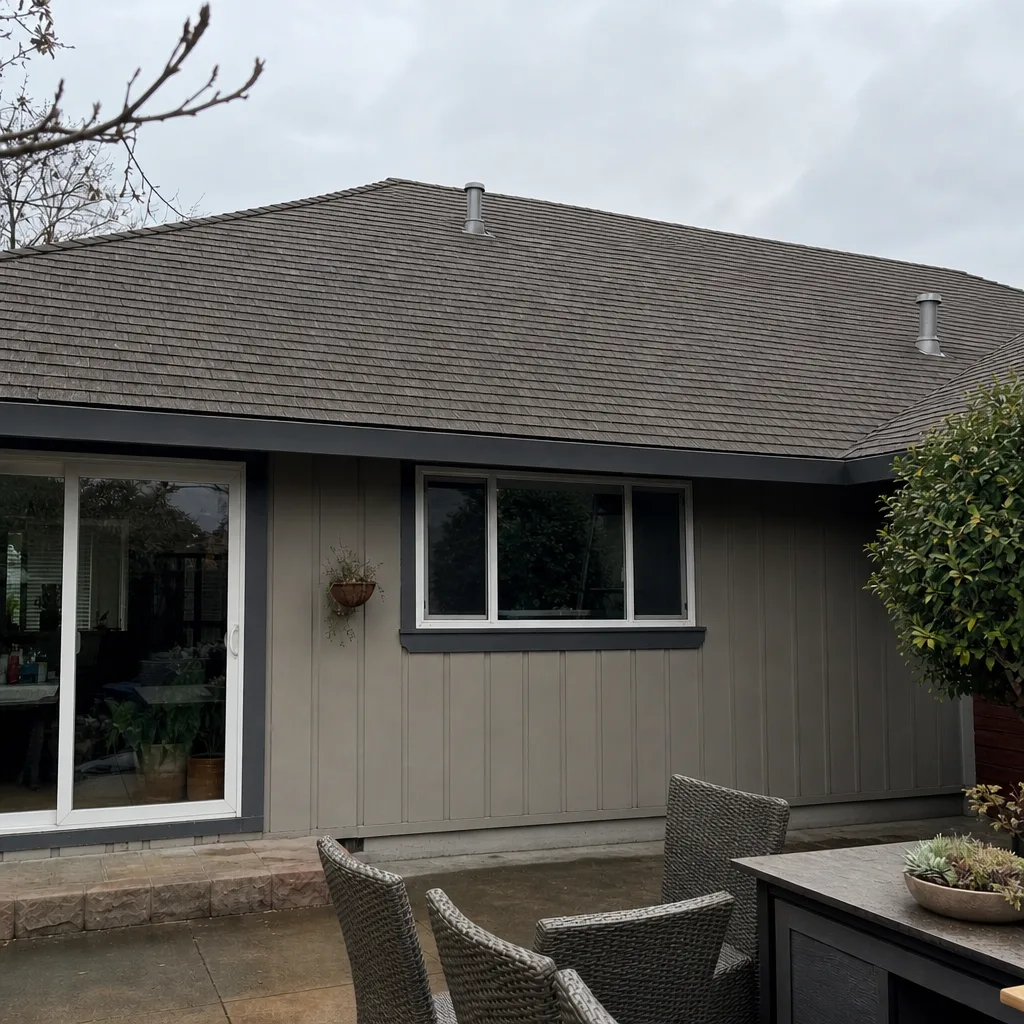
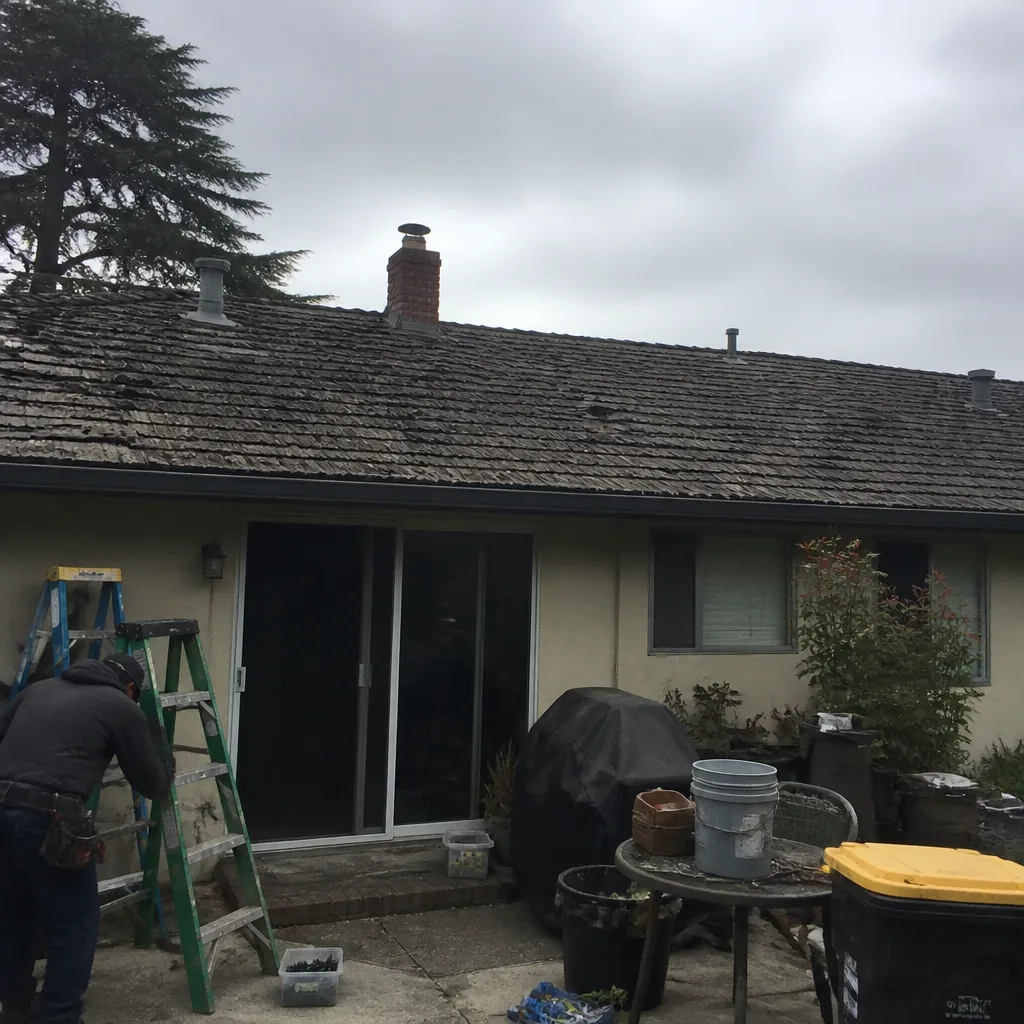
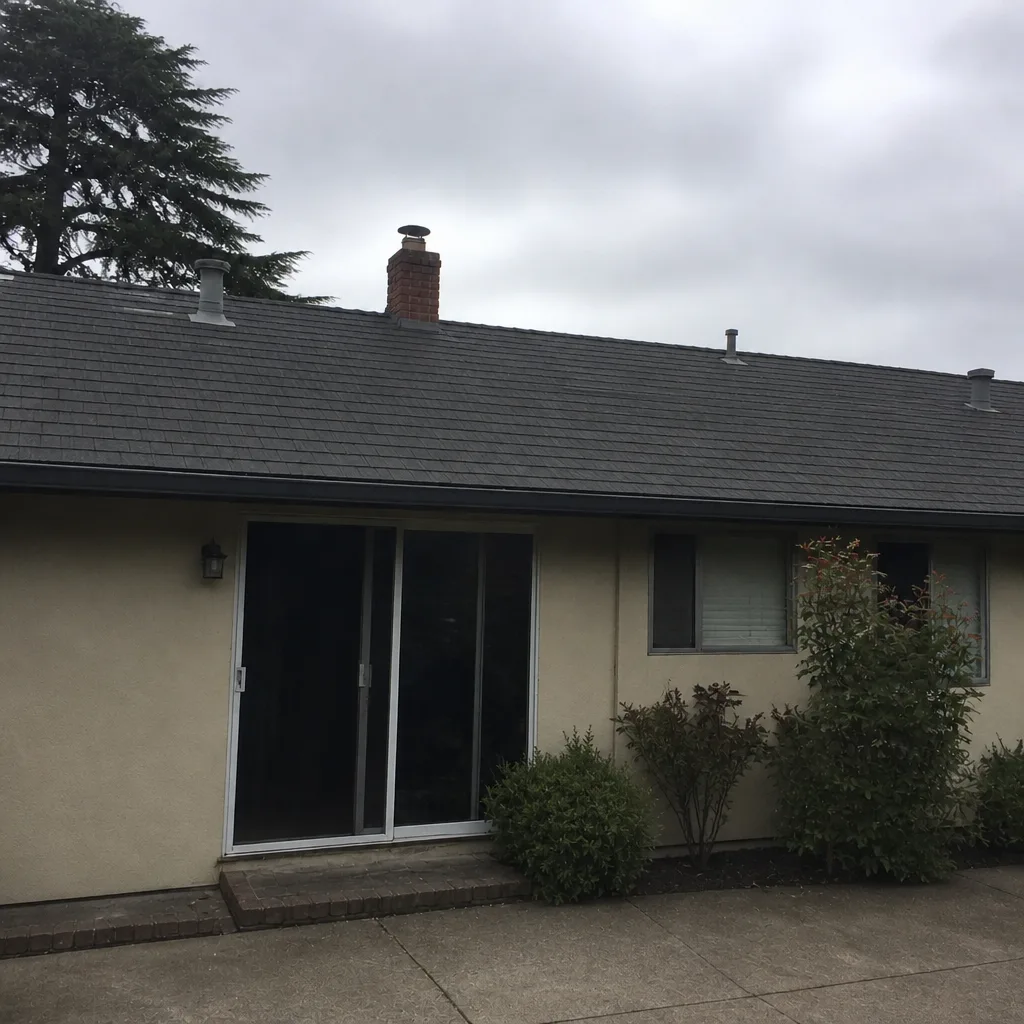
See the difference
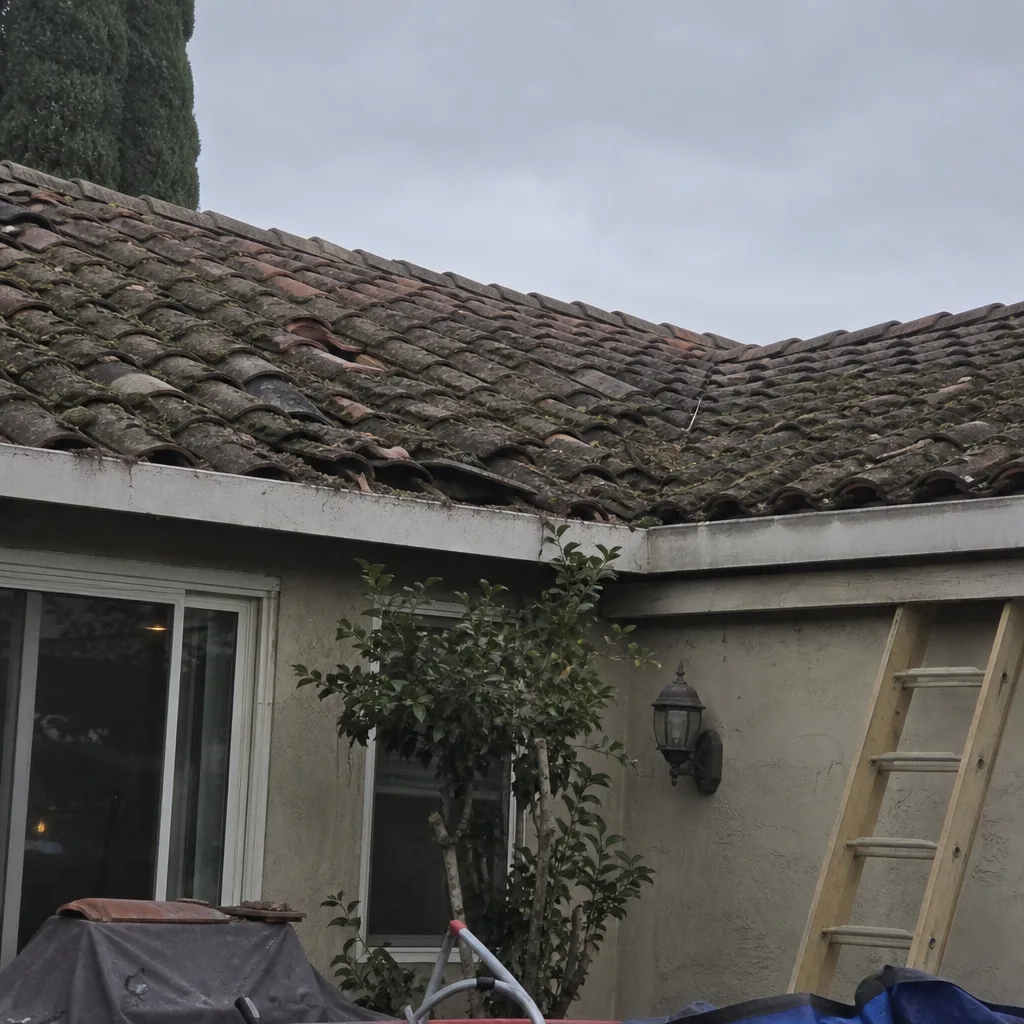 Before
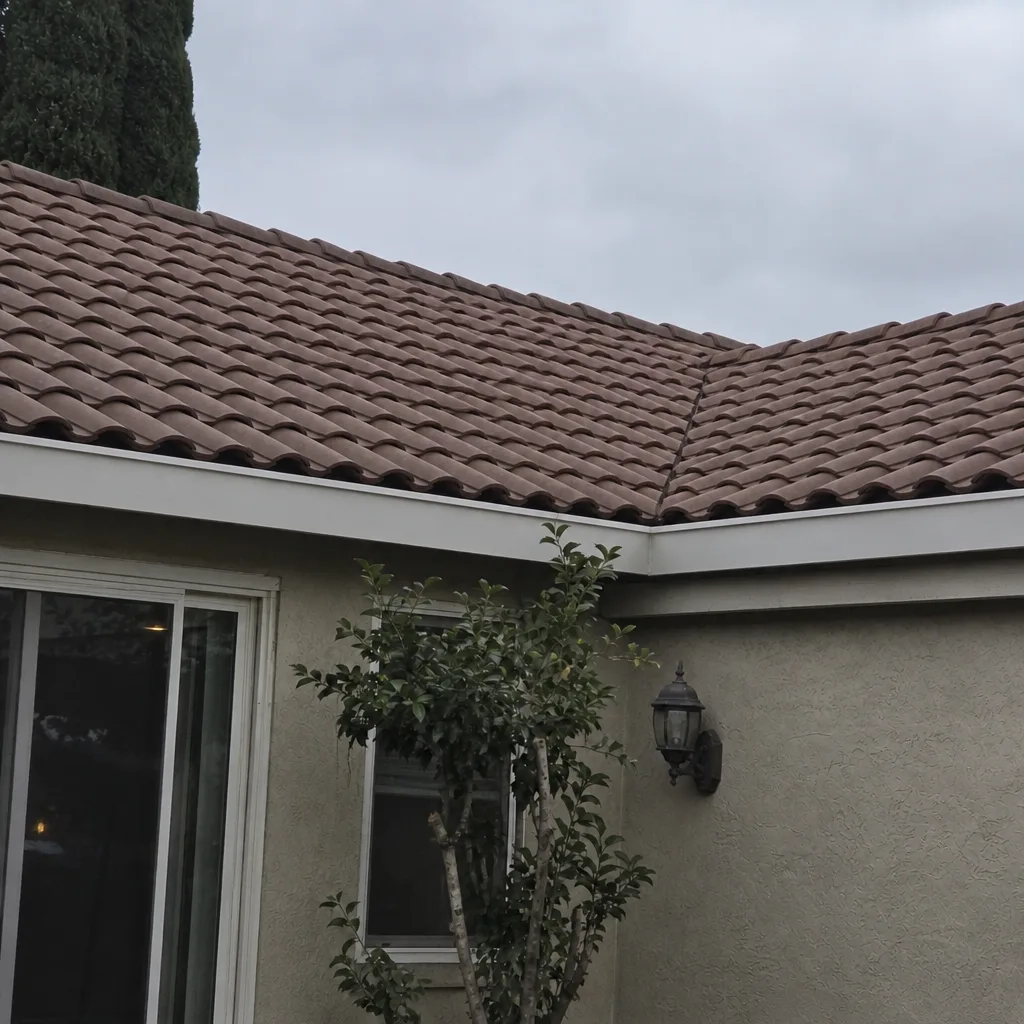 After
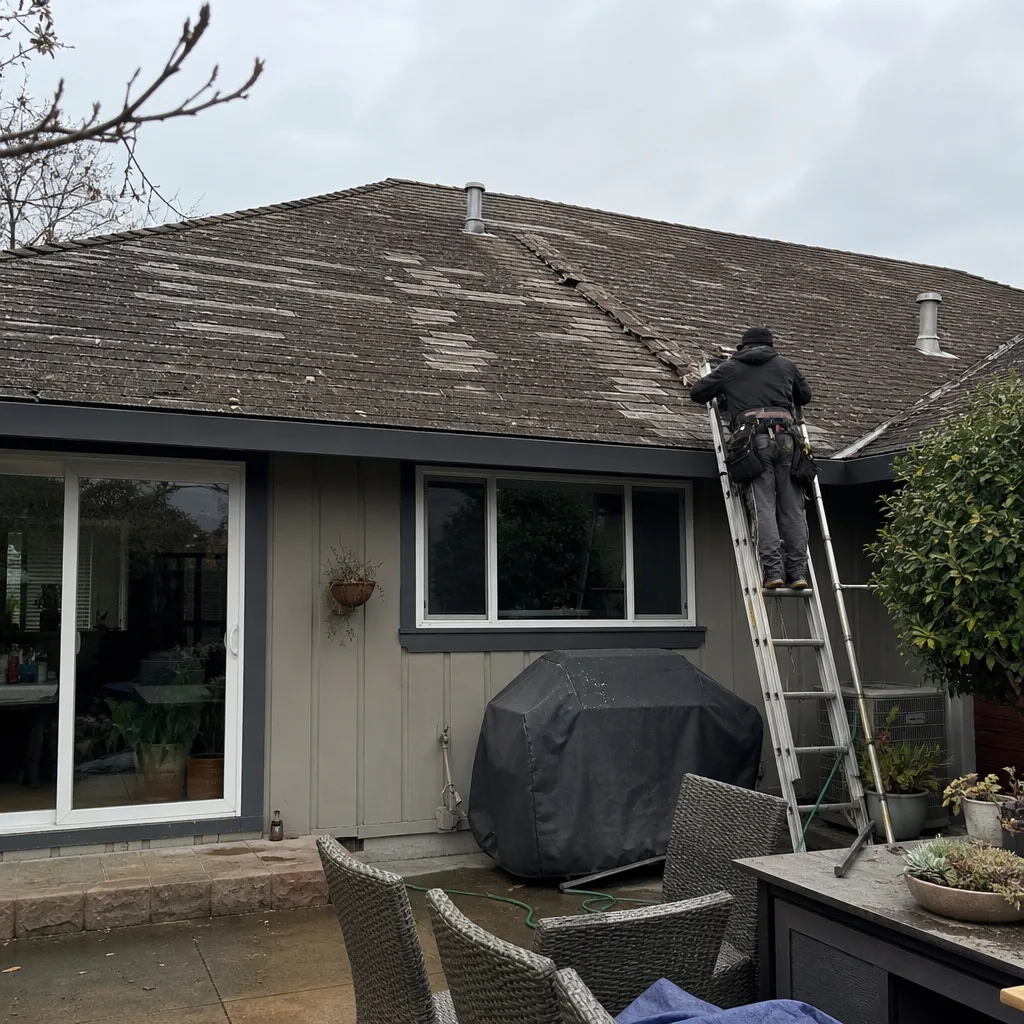 Before
 After
 Before
 After
When to Call a Professional
Some symptoms call for a pro now. Any visible separation at the flashing around a chimney or skylight, water actively dripping indoors, soft decking near a penetration, or daylight at a vent edge is worth a professional look before it gets worse. Recurring stains that return after each rain, no matter how many times they’ve been patched, also signal a cause that hasn’t been found. And if your roof is more than about twenty years old and you’re seeing granule loss, that’s the moment for a real assessment. Sunnyvale Roofer offers free estimates in Sunnyvale with a written, line-item scope. Call (833) 349-3199. We answer 24/7. Fast dispatch from 7am to 7pm, Sunday through Friday. Our technicians have up to 9 years of experience, and our inspections come with no push toward replacement.
Frequently Asked Questions
Water travels along rafters, sheathing, and other surfaces before it finds a gap to drip through, often three to six feet from the entry point. That’s why the stain marks where it broke through, not where it entered. Tracing the path from the attic is how a roofer finds the true source. Call (833) 349-3199 for an inspection, and estimates are free.
No, a little granule shedding is normal wear and usually isn’t a sign of failure on its own. Roofs shed grit throughout their life, and a handful after a windy stretch is expected. A gutter packed with granules, or grit at the downspouts, points to a shingle surface wearing faster than it should. Call (833) 349-3199 to have an inspection read it accurately.
You can do the safe parts yourself: a ground-level walk-around, a careful attic inspection, and photographing the symptoms. You should not climb onto the roof to check or attempt repairs at height or on a slope. The attic tells the story you need to start a repair conversation. Call (833) 349-3199 and we’ll help you turn those observations into an accurate estimate.
Usually not. Condensation on the underside of the deck or along rafters is typically a ventilation or vapor problem, not water getting past a shingle. It tends to appear on warm or cool days rather than immediately after rain. The fix is often about airflow. Call (833) 349-3199 if the attic stays damp.
Roof repair pricing depends on the scope: replacing a pipe boot is a small job, while flashing repair or deck replacement costs more because it involves removal and reinstall. We give a written, line-item estimate for each job, and the estimate is free. Call (833) 349-3199 for a scope-specific quote. The written estimate sets the final price.
No, when the scope is right, the written estimate holds, and fixed pricing with no change orders means the number on paper is the number you pay. A thorough diagnosis on the first visit is what prevents a mid-project scope change. That’s why we inspect before we quote. Call (833) 349-3199 to schedule your free estimate.
The Bottom Line
Troubleshooting a roof means following symptoms back to causes. The stain rarely sits under the leak, granules in the gutter may point to ventilation, and the most common Sunnyvale leaks often come from pipe boots and flashing rather than the shingles you can see. Check what you can safely from the ground and the attic, photograph the water path, note the timing, and describe the symptom honestly. That preparation is what turns a vague leak into an accurate first estimate. Whether the answer is a repair or a full replacement, we work across seven leading brands (GAF, CertainTeed, Owens Corning, IKO, Atlas, Tamko, and Boral) so the material fits your home, not our supply order. Repair when repair makes sense. Replace only when it’s time.
Every job starts with an honest inspection. If you want an assessment of what’s actually going on before any decision, reach out to Sunnyvale Roofer for a free estimate. Call (833) 349-3199. We answer 24/7. Fast dispatch from 7am to 7pm, Sunday through Friday. If you’re still sorting out whether the fix is small or large, read more about roof repair and how we scope it in our Sunnyvale service area.
Written by the team at Sunnyvale Roofer.