
Last updated November 15, 2026
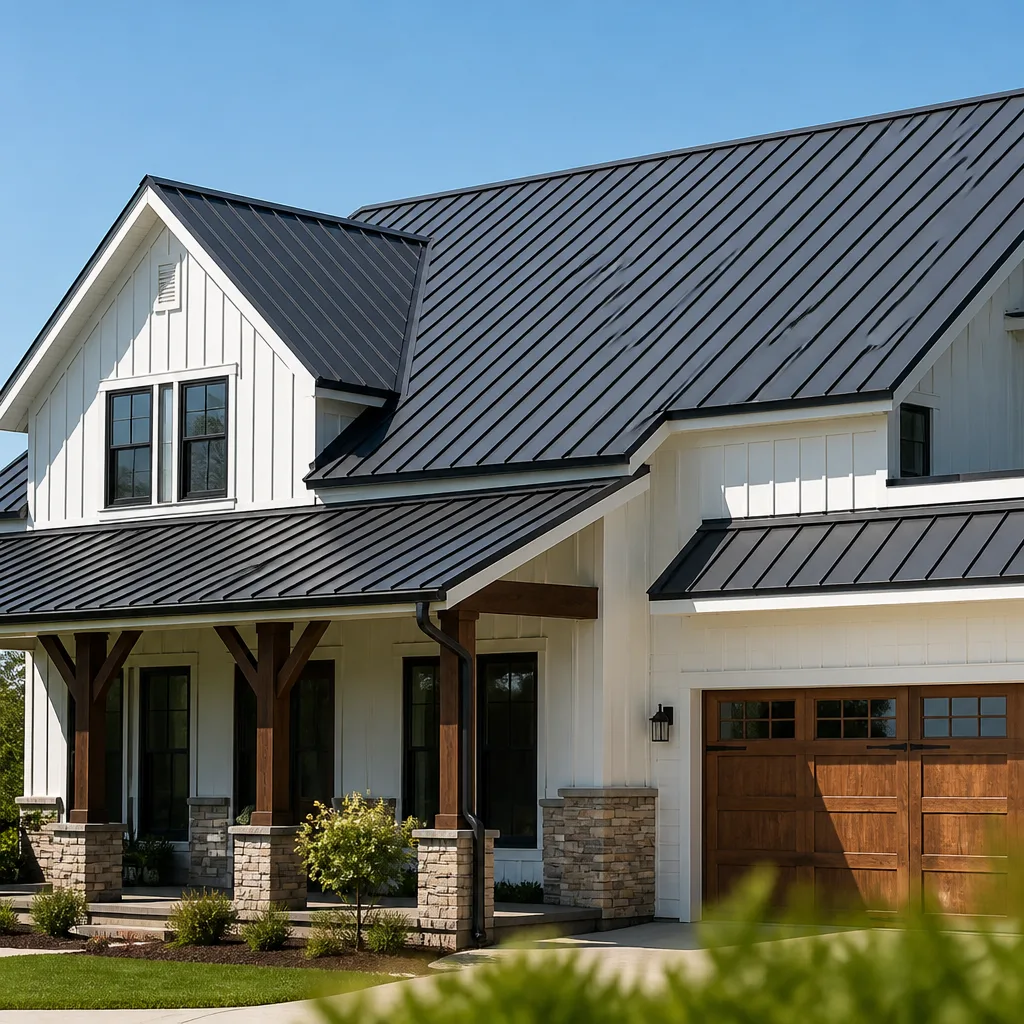 Metal roofing
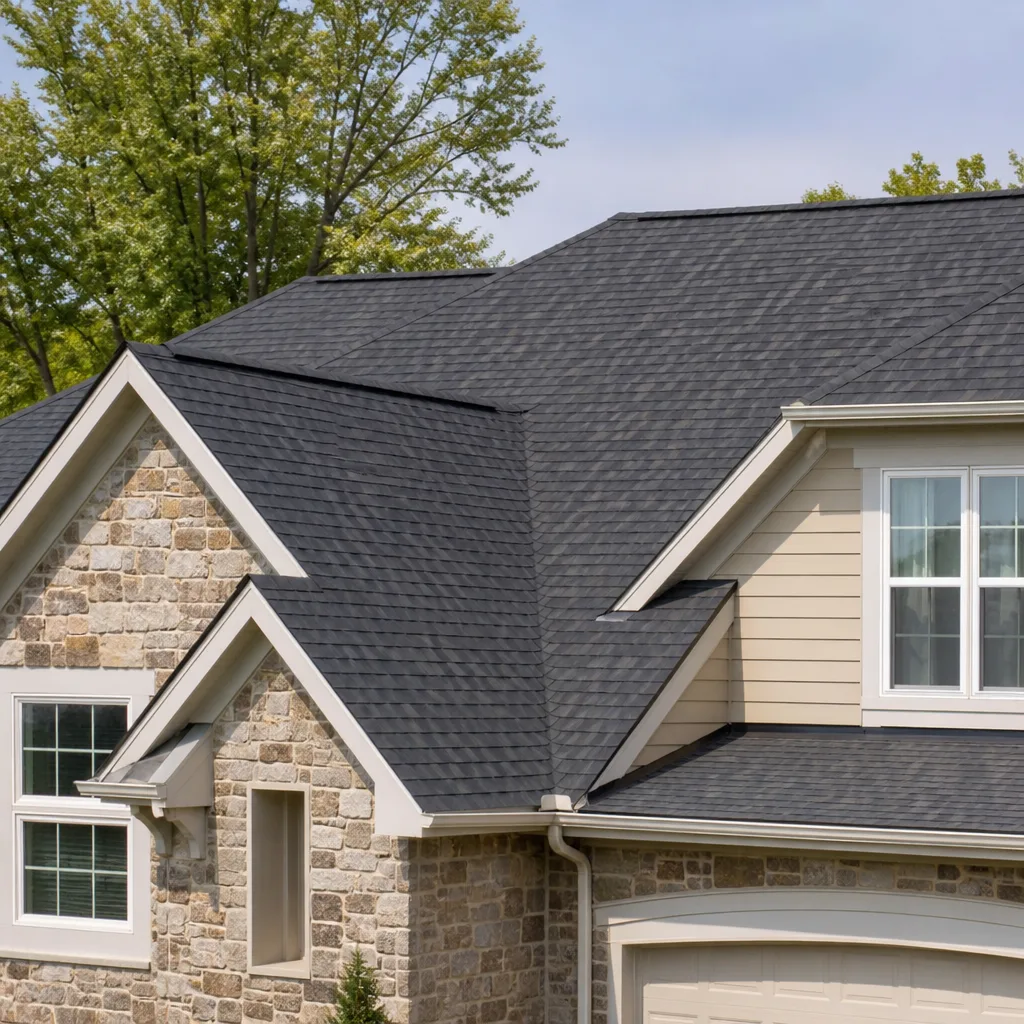
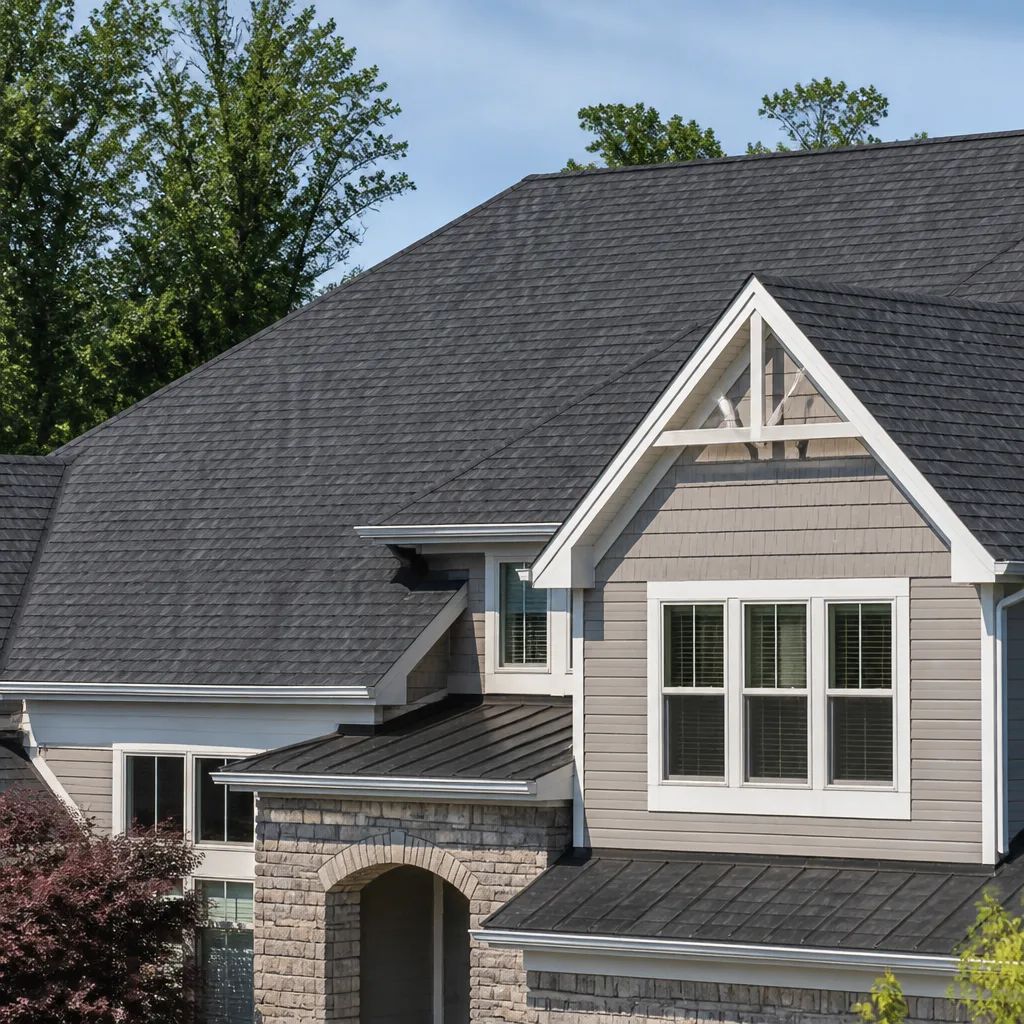 Architectural shingles
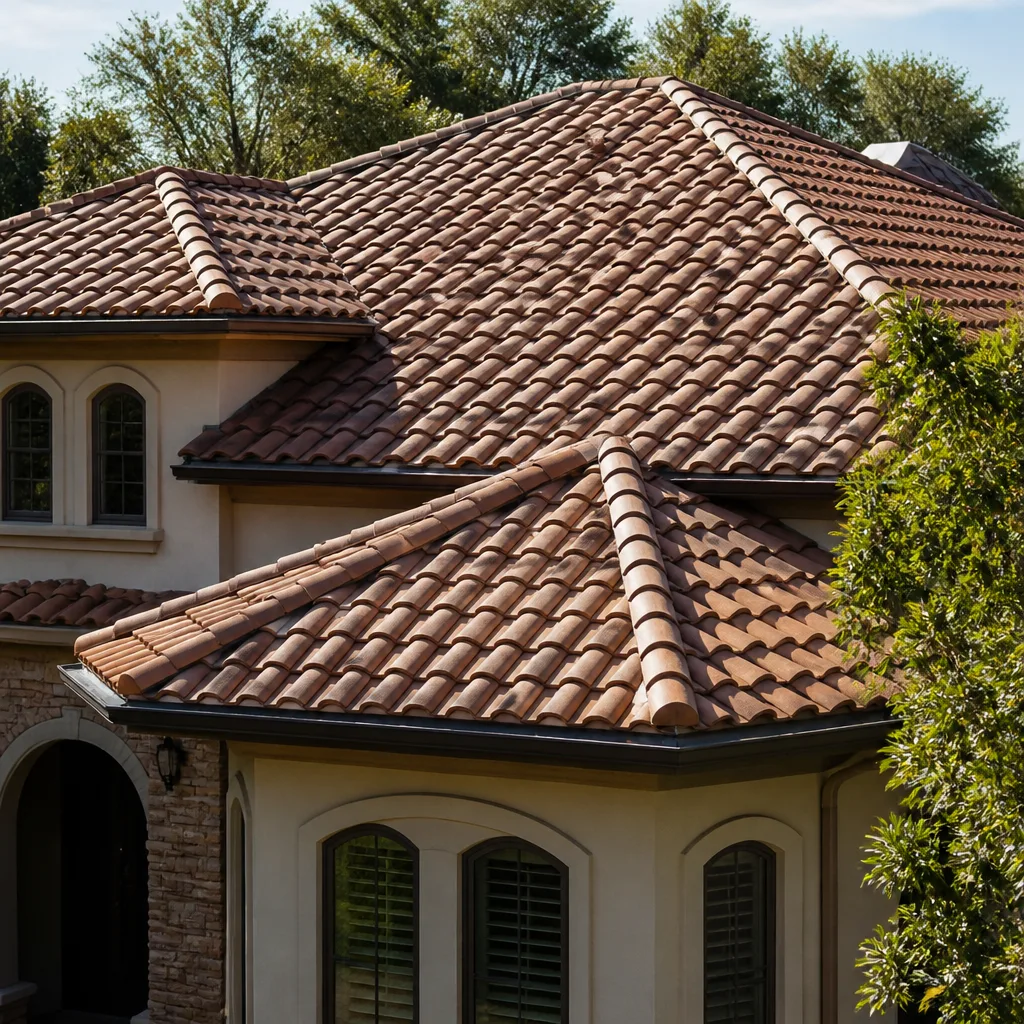 Tile roofing
 GAF
 Owens Corning
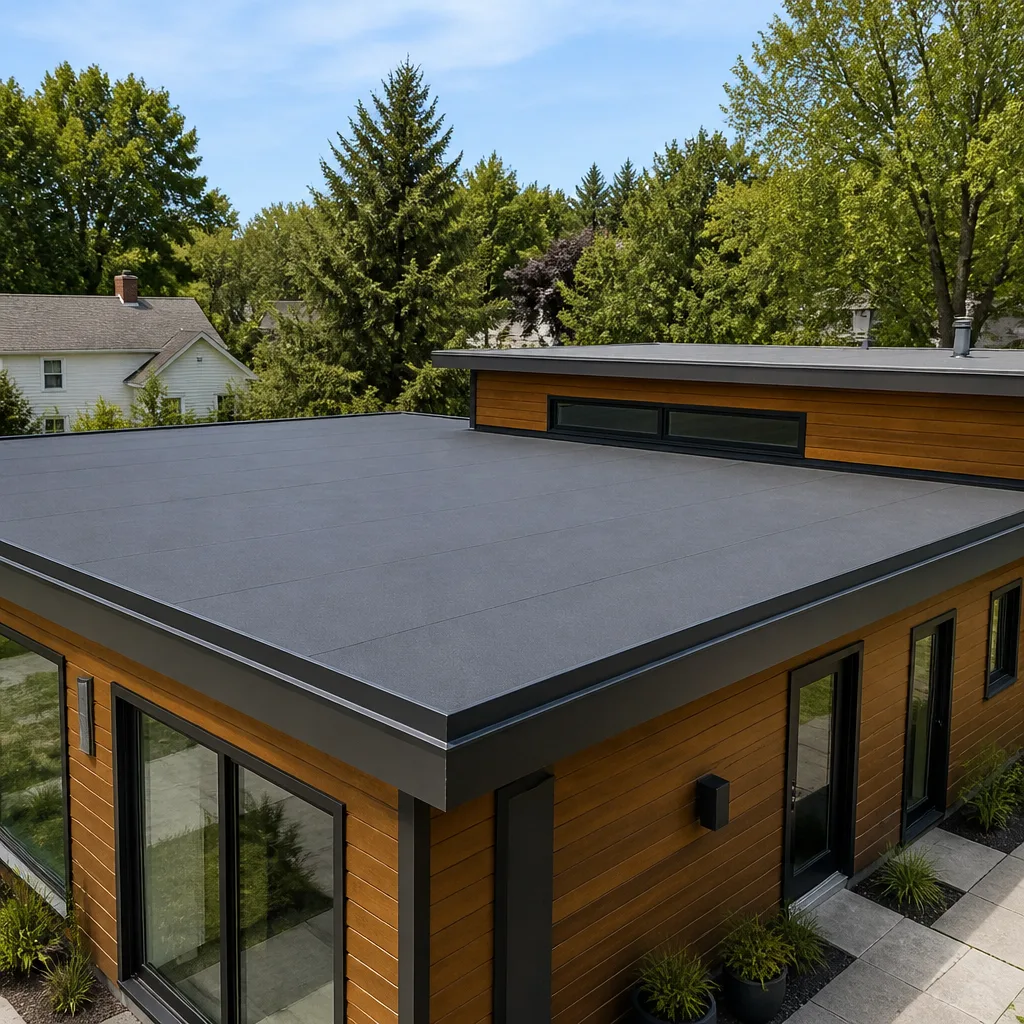 Flat & low-slope
Free roof inspection with deck photos before we talk money - GAF and Owens Corning certified installation
Roofing Emergency Preparedness Guide for Sunnyvale Homes
Most Sunnyvale homeowners think a roof emergency is something that happens to someone else, on a night with a storm roaring overhead. The reality is quieter and more predictable. The calls that flood in every year cluster in the days right after the first significant November rain, when a long dry season gives way to water all at once. By then, the roofer with the earliest appointment is usually the one who already had an inspection report on file. This guide walks you through what to do in the first 30 minutes of an active leak, how to tarp correctly, what to document for an insurance claim, and how to prep before the rain arrives.
Quick Answer
If your roof is leaking right now, get water away from the interior first: move valuables, place buckets, and pierce a bulging ceiling with a small hole to drain it safely. Then call Sunnyvale Roofer at (833) 349-3199. We answer 24/7. Fast dispatch from 7am to 7pm, Sunday through Friday. Long before the leak happens, the most effective step is a documented roof inspection, so you have a plan and a contractor relationship in place when the first real rain lands.
Styles & brands we work with
- Architectural shingles
- Metal roofing
- Tile roofing
- GAF
- Owens Corning
- Flat & low-slope
Table of Contents
- What to Do in the First 30 Minutes of a Leak
- How to Tarp a Roof Safely During a Sunnyvale Storm
- What to Document for an Insurance Claim
- Storm Damage or Pre-Existing Failure? Why It Matters
- Pre-Season Emergency Preparedness
- Matching Emergency Repairs to Your Roof Materials
- How to Choose a Roofer Before You Need One
- When to Call a Professional
What to Do in the First 30 Minutes of a Leak
The first half hour after you spot water coming in sets the tone for everything that follows. Sun-dried roofs across Sunnyvale often hold up fine through the long dry season, then show their weak points the first time they’re asked to shed real rain. What you do now limits interior damage, keeps you safe, and gives a contractor a clearer picture when they arrive.
- Find the source, not just the drip. Water travels along framing, so the wet spot on your ceiling is rarely directly under the hole. Trace back uphill and toward the nearest ridge or valley to narrow the likely entry point.
- Move what’s underneath. Furniture, electronics, documents, artwork, rugs. Get them out of the path before the drip turns into a spread.
- Contain the water. Buckets, bins, towels, and a plastic sheet under the drip zone. If you have several leaks, rotate containers and empty them before they overflow.
- Relieve a bulging ceiling. If the drywall sags and holds water, pierce it with a small nail or screwdriver near the center of the bulge, over a bucket, to let it drain. Standing water in a ceiling can collapse and pull insulation down with it.
- Kill power to affected rooms. If water is anywhere near light fixtures, outlets, or a ceiling fan, shut off the breaker for those circuits at the panel before touching anything.
- Call for help and start photos. Snapshot every wet spot, bucket, and shifted item before you clean up. Call (833) 349-3199. We answer 24/7. Fast dispatch from 7am to 7pm, Sunday through Friday.
Do not climb onto the roof in the rain. Wet shingles and metal flashings are slick, and one slip is a much bigger problem than the leak. Handle what you can from inside, then wait for trained help.
How to Tarp a Roof Safely During a Sunnyvale Storm
Emergency tarping is often necessary, but it has to be done correctly or it creates fresh damage of its own. In our experience, the most common mistake is overdoing it: a heavy tarp tied down with tension on every edge can pull flashing loose, trap water, and abrade shingles in the wind. Sunnyvale storms are usually modest in intensity compared to other parts of the country, but wind-driven rain still finds every opening it can.
Safe tarping basics
- Wait for dry or pause in the rain. If the storm is active, stay off the roof. If there’s a break and the surface is dry enough to grip, a quick tarp can prevent further entry.
- Size matters. The tarp should cover the damaged area with at least 2-3 feet of overhang on every side, so water sheds past the leak instead of running under the edge.
- Weight, not tension. Use sandbags or weighted buckets at the corners rather than rope pulled tight. Tension puts stress on flashings, vents, and edges.
- Slope the tarp. The tarp should follow the roof pitch so water runs off, not pool in the middle. A tarp that bags water weighs hundreds of pounds and can damage the structure.
- Never cover vents or chimneys. Blocking combustion vents or a chimney cap creates a carbon monoxide risk inside the home.
What not to do
Do not staple, nail, or screw a tarp directly into shingles or flashing. Those fasteners become future leak points and can void portions of a manufacturer warranty. Do not stand on a wet, pitched roof to adjust a tarp alone. Do not leave a tarp in place for weeks; it’s a bridge, not a repair. Once the storm passes, schedule the permanent fix.
What to Document for an Insurance Claim
Insurance claims rise and fall on documentation, and the time to build the file is the moment damage appears. If you wait until the roofer is on the roof and the water has been mopped up, you’ve lost your best evidence. This is one of the areas where a prior inspection report is worth its weight.
Gather and organize these items right away:
- Photos and video timestamped the day of the leak. Wide shots of the roof from ground level, close-ups of the interior stain, water containers, and any damaged belongings.
- Prior roof inspection reports. If you’ve had a professional inspection, that report establishes the roof’s condition before the storm. This is one of the strongest pieces of evidence separating storm-caused damage from pre-existing wear.
- Maintenance records. Receipts for repairs, replaced shingles, gutter cleaning, and any warranty paperwork from the manufacturer of your roofing material.
- Contractor estimates. A written, line-item estimate from a licensed roofer that clearly separates storm damage from pre-existing conditions.
- Your policy documents and claim notes. Coverage varies, and the deductible, exclusions, and “matching” rules can affect the outcome.
- A running timeline. Write down when you first noticed the leak, when you called, and when a contractor arrived. Small details get forgotten fast.
If you don’t yet have an inspection report, a standalone roof repair assessment can establish the baseline. We can work with your insurer once you have a documented picture of what happened. The written estimate sets the final price, so there are no surprises in the file.
Storm Damage or Pre-Existing Failure? Why It Matters
This is the distinction that decides many claims. A storm that tears off shingles, cracks flashing, or drives water under a lifted edge is storm damage. A roof that was already at the end of its life and simply leaked for the first time during the storm is pre-existing failure, and most policies handle the two differently. The insurer is going to ask this question, so you should too, before you call.
Signs of storm-caused damage
- Missing, lifted, or clearly displaced shingles concentrated in one area.
- Dented or creased metal flashing and bent gutters on the windward side of the roof.
- Debris impact or fresh punctures from limbs or wind-blown material.
- Damage that matches the timing of a known storm event, well documented with photos.
Signs of pre-existing failure
- Curling, cracking, or granule loss spread evenly across the roof, especially on the south and west slopes that take the most sun.
- Repeated leaks in the same place across multiple seasons.
- Visible water staining in the attic on framing that predates the storm.
- An aging roof where the shingle or tile was already due for replacement.
In our experience, many Sunnyvale roofs sit in a middle zone: aged enough to be vulnerable, but not so far gone that a storm was the only trigger. A trained inspection is what separates the two categories honestly. That’s why we treat inspection as its own service, so a homeowner gets a straight answer before anyone starts talking about replacement.
Pre-Season Emergency Preparedness
The single most valuable step a Sunnyvale homeowner can take is a pre-season check, ideally in late summer or early fall, before the first significant rain of November. At that point, the roof has been through the long dry season and any small cracks, lifted flashing, or clogged gutters are still small problems.
Here’s the pre-season checklist we recommend:
- Get a professional roof inspection. A standalone inspection tells you the condition of the shingles, flashings, valleys, and penetrations, and gives you a written report to keep on file.
- Clear gutters and downspouts. Blockages back water up under the roof edge. Clean them out and confirm water is flowing away from the foundation.
- Trim overhanging limbs. Branches close to the roof become projectiles in a windstorm and routes for debris to dam water.
- Check attic side and ceiling for existing staining. If you spot staining, find out where it came from before it gets worse.
- Have a contractor relationship in place. When the first storm hits, roofers are booked solid within hours. A homeowner with a prior relationship and inspection on file gets prioritized.
- Assemble an emergency kit. Tarps sized for your roof, sandbags, buckets, a flashlight, a waterproof folder for documents, and a list of key phone numbers.
- Review your insurance policy. Know your deductible, coverage, and wind/hail exclusions before you need them.
This is the step most homeowners skip, and it’s the one that determines whether the first real rain of the season is a minor annoyance or a stressful scramble.
Matching Emergency Repairs to Your Roof Materials
Emergency repairs are only as good as the material match. A patched area that uses the wrong shingle, thickness, or color can shed water for a few weeks but cause problems once the next season hits. Homes around Sunnyvale vary widely in roof types, from asphalt shingles on mid-century ranch homes to tile and flat roofs on newer builds, and matching materials correctly is the difference between a fix and a temporary cover.
We work with seven major roofing brands so the material fits your home, not our supply order. GAF and CertainTeed are common choices for shingle replacements on residential roofs, and Tamko and Boral cover value-tier shingle and tile options. When a permanent repair is needed, we bring options across premium and value lines, which is the reason we keep so many manufacturers in the mix.
A few practical rules for material matching:
- Match the shingle profile. Two shingles of the same color but different profiles age differently and trap water unevenly.
- Don’t skip underlayment. Replacing a shingle without addressing the layer beneath is a temporary fix, not a repair.
- Reuse flashing where possible; replace when in doubt. Flashing is where most leaks start, and cutting corners here usually costs more later.
- Keep a record of every repair. This helps when you eventually reach the point of a full roof replacement, and it supports any future warranty claim.
How to Choose a Roofer Before You Need One
In an emergency, good intentions don’t matter much. What matters is who answers the phone, who has availability, and who can show you a written estimate before the work starts. Choosing a roofer before the storm hits lets you make a decision with a clear head. Here’s what to weigh.
- Full lifecycle services. Inspection, repair, and replacement under one roof means the same roofer can diagnose before fixing. You don’t need a separate contractor just to find out what’s wrong.
- Material breadth. A roofer who only works with one brand has one answer to every roof. Broad manufacturer access means the recommendation is driven by your roof, not by leftover inventory.
- Written line-item estimates with fixed pricing. No change orders mid-job. The written estimate sets the final price.
- Licensed and insured. Ask for proof; don’t take it on faith.
- Permits pulled and inspections passed. Repairs that touch structure or major components usually need a permit, and the contractor should handle it.
- Workmanship warranty in writing. Whether the work is a small repair or a full replacement, you should know what’s covered and for how long.
When you’re evaluating a roofer, ask directly: what happens if I call you during a storm? A contractor who answers 24/7 and can dispatch from 7am to 7pm, Sunday through Friday, is one you can actually reach during the annual crunch. Our technicians have up to 9 years of experience, and every job starts with an honest inspection, not a sales pitch.
See the difference
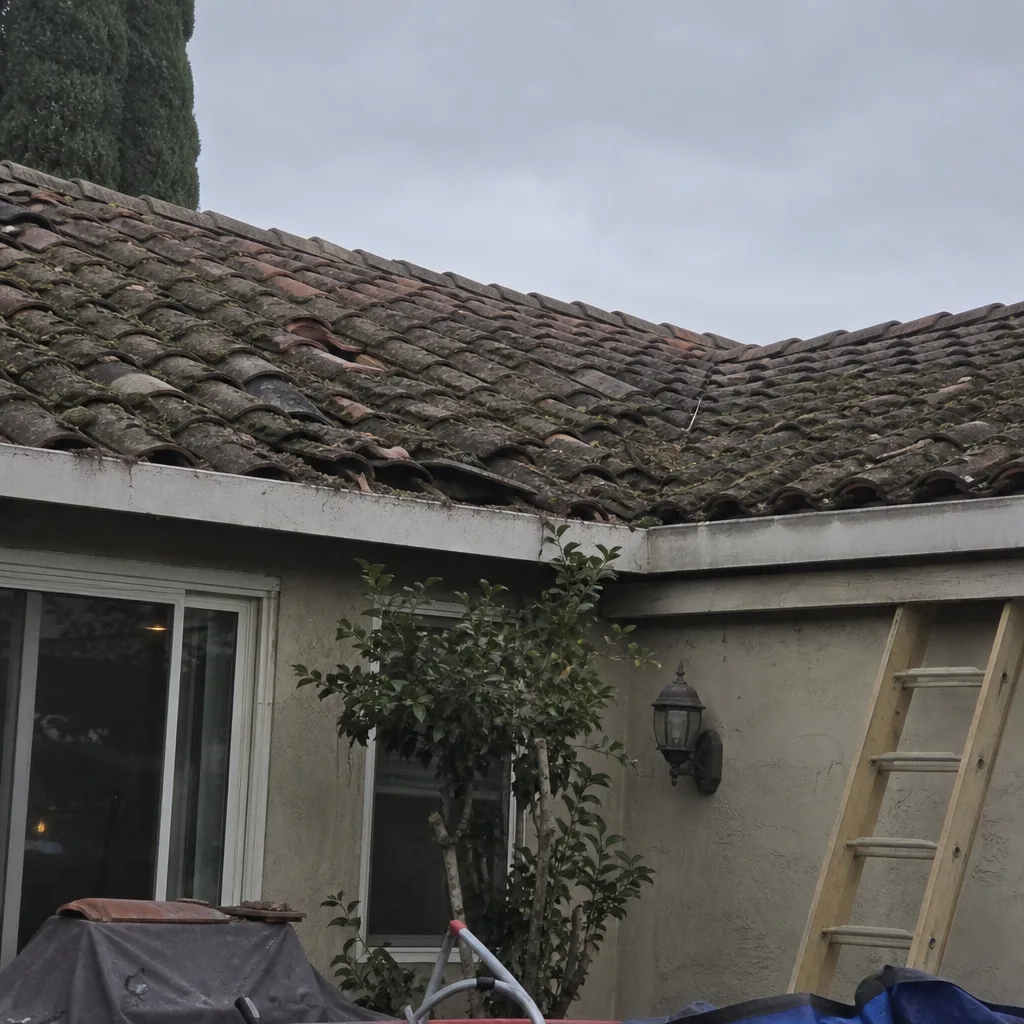 Before
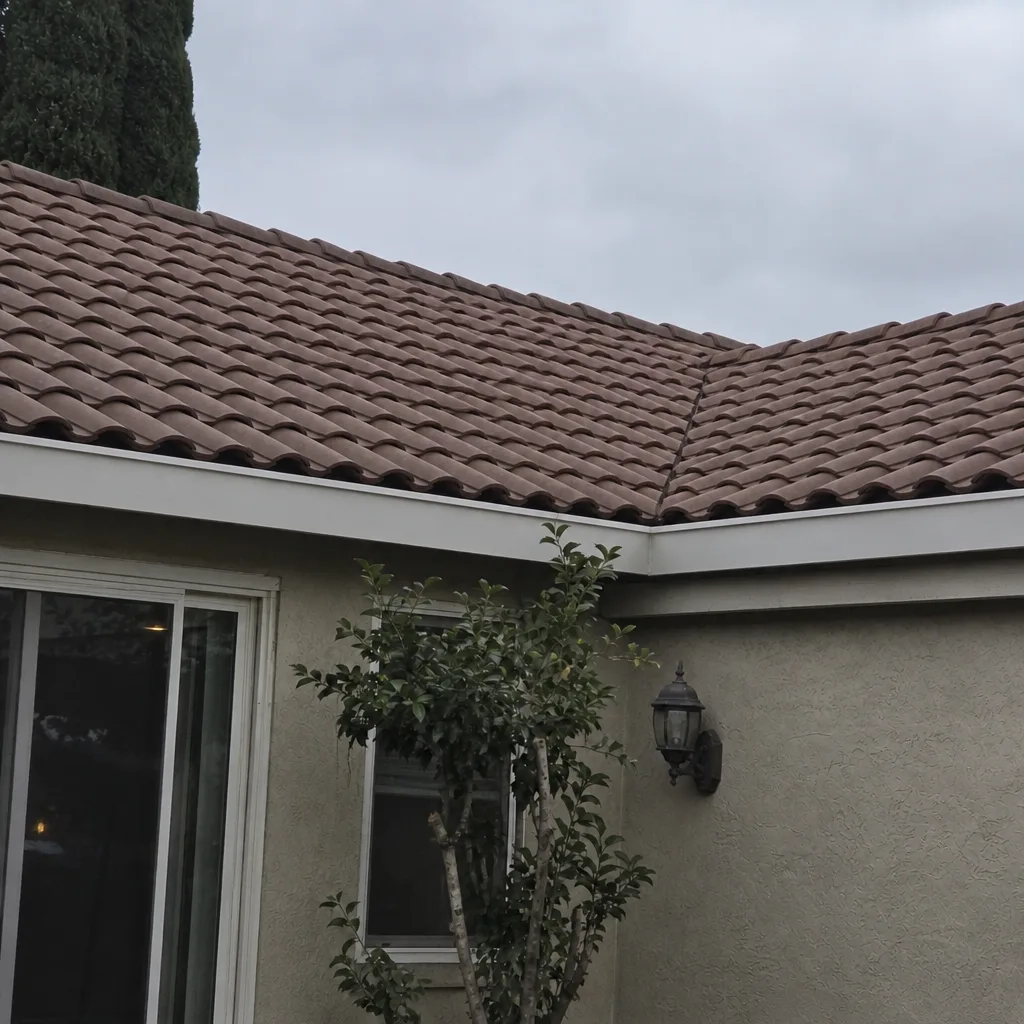 After
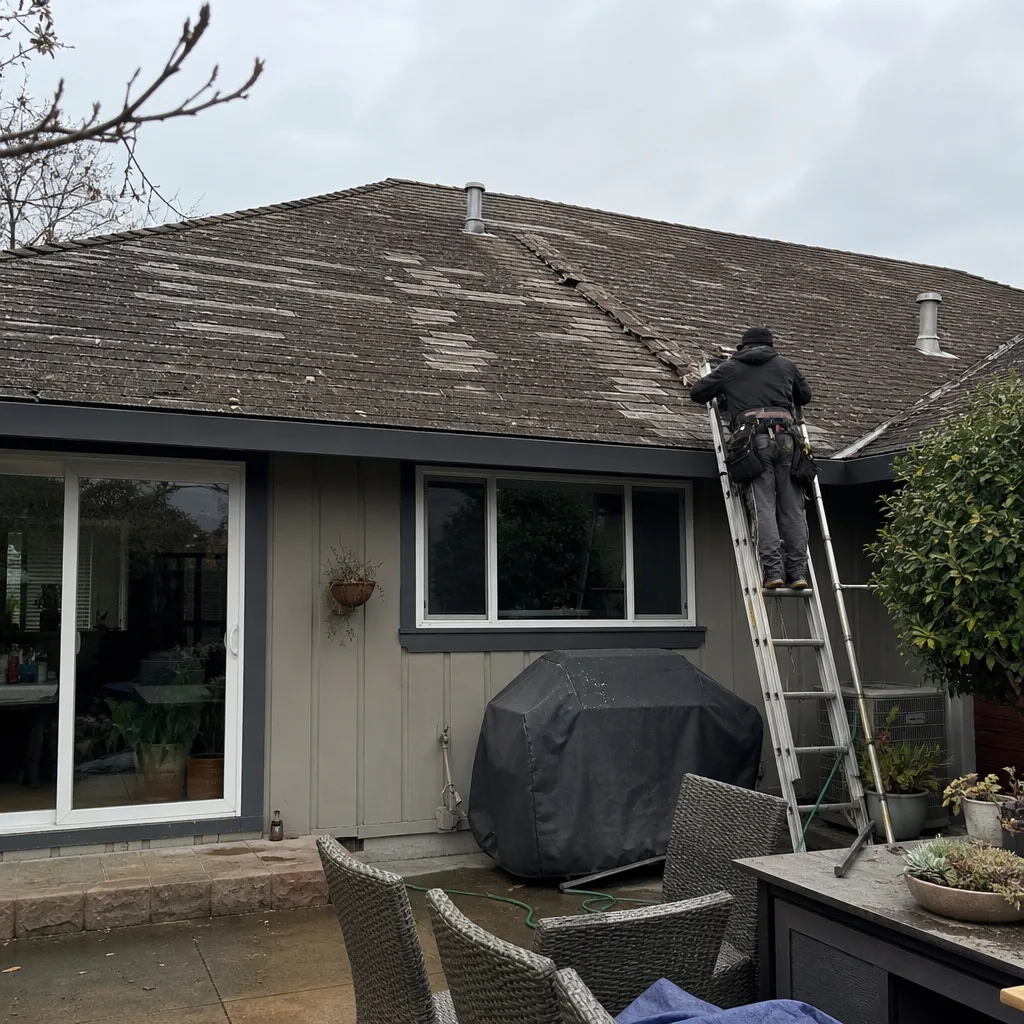 Before
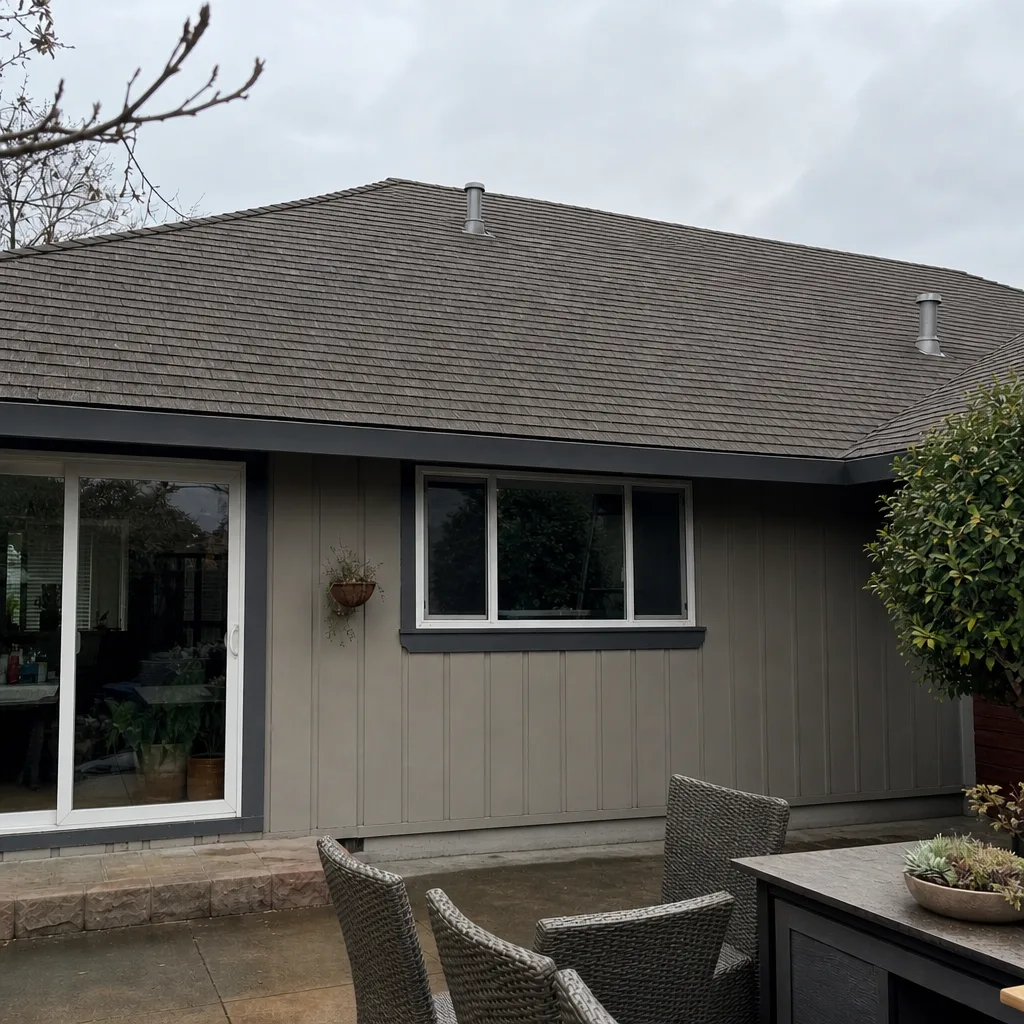 After
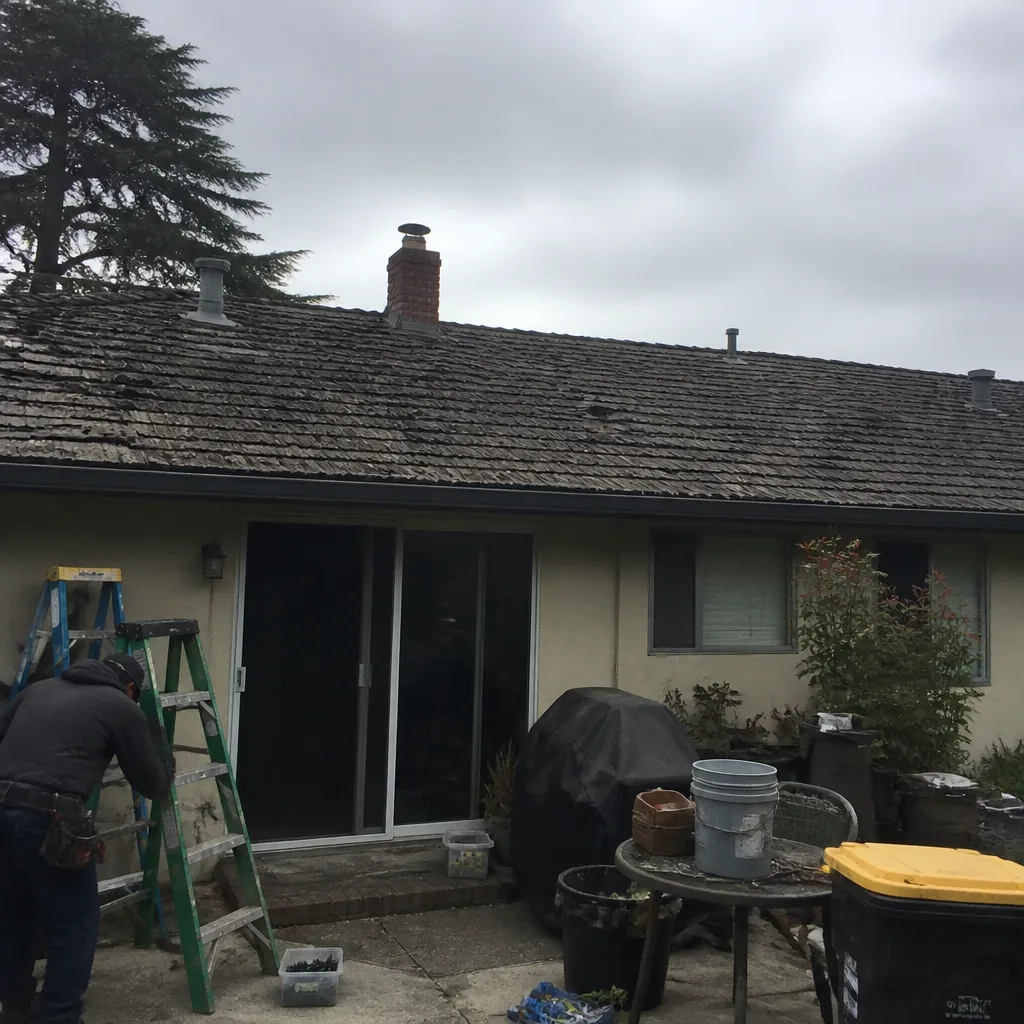 Before
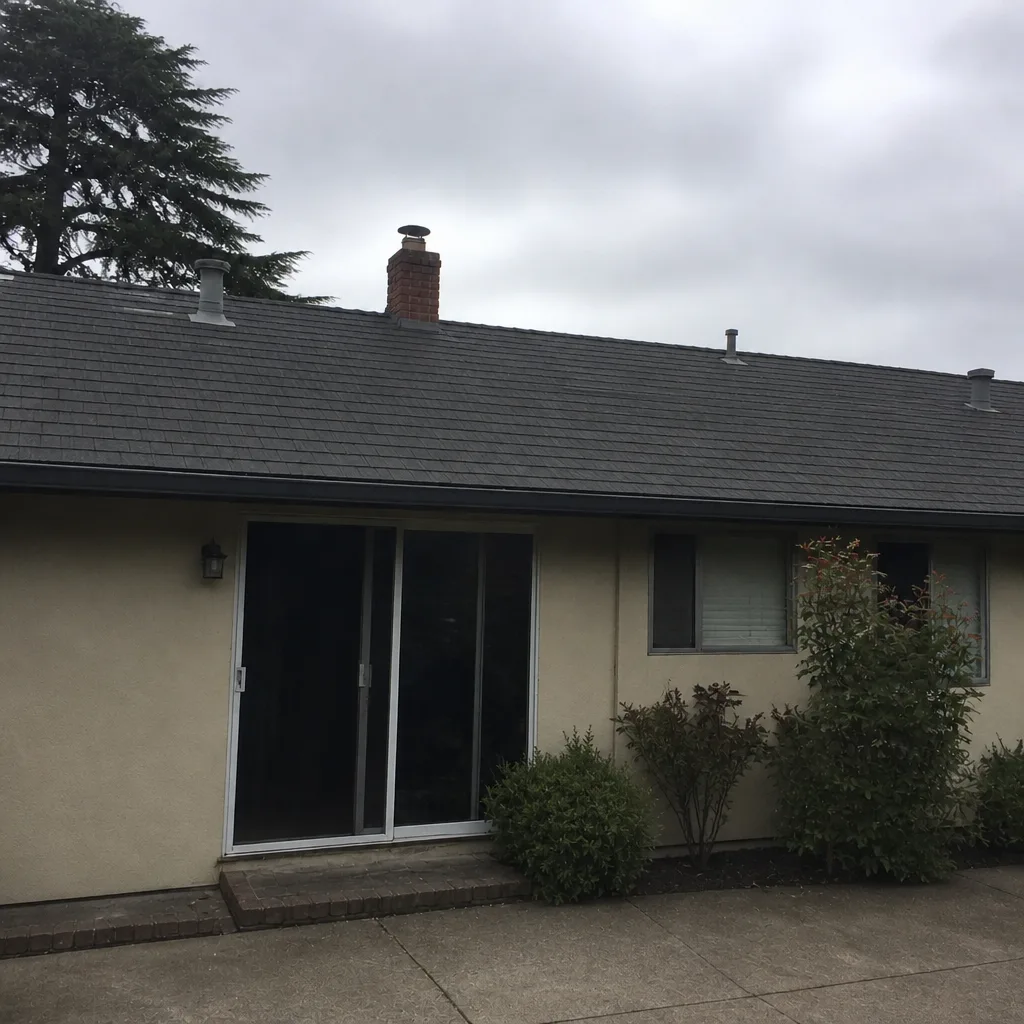 After
Common Mistakes to Avoid
- Climbing onto a wet roof to “take a look.” This is the number one cause of emergency room visits during storms. Stay off the roof in active rain; the leak will still be there in the morning.
- Ignoring a small ceiling stain. A dime-sized water spot is often the visible part of a much larger leak. Wait, and it becomes a larger repair and possibly mold.
- Calling the first number that answers without verifying licensing. In the crunch after the first storm, unlicensed operators flood the market. Ask for proof of license and insurance before anyone walks on the roof.
- Tarping a roof and forgetting it. A tarp is a bandage. Leaving one in place through the season invites secondary damage under the plastic and can mask a worsening leak.
- Skipping photos before cleanup. If you’ve already mopped, you’ve lost your best insurance evidence. Snapshot first, then dry.
- Skipping the pre-season inspection. The homeowners who breeze through storm season are the ones who booked an inspection in the dry months. The scramble is avoidable.
- Assuming a storm caused all damage. Insurers are careful about storm versus pre-existing failure. Not every leak is a claim, and an honest inspection protects you from wasted effort.
When to Call a Professional
Call us when water is actively coming in and you can’t contain it yourself. Call when a ceiling is bulging or sagging. Call when shingles are missing after a windstorm, when flashing has lifted, or when a chimney or skylight is letting water past. Call when a limb has struck the roof, even if you don’t see interior damage yet, because the impact may have hidden cracks. Call when the leak has already been patched once and returned. Call when you’re not sure whether it’s storm damage or pre-existing failure, because that distinction has real money attached. Sunnyvale Roofer offers free estimates in Sunnyvale. Call (833) 349-3199. We answer 24/7. Fast dispatch from 7am to 7pm, Sunday through Friday.
Frequently Asked Questions
Move valuables out of the way, place buckets under the drip, kill power to affected circuits, and pierce a bulging ceiling to drain trapped water over a bucket. Then call (833) 349-3199. We answer 24/7. Fast dispatch from 7am to 7pm, Sunday through Friday. Don’t climb onto a wet roof, and start photographing everything before you clean up.
Most repairs fall in a range that depends on the size of the leak, the material type, and how much flashing or underlayment needs replacing. Any quote over the phone is a guess, so we work from a free inspection and a written line-item estimate. The written estimate sets the final price, and there are no change orders once work begins. Call (833) 349-3199 for an exact quote. Estimates are free.
No. Our pricing is fixed against the written estimate, so the number you sign off on is the number you pay for the scope we agreed. If we open up a roof and find something outside that scope, we stop, show you, and quote it separately before continuing. Call (833) 349-3199 for a free estimate.
Yes. When a job requires a permit, we pull it and make sure the work passes inspection. That matters for insurance and future resale as much as it does for the work itself. Call (833) 349-3199 and we’ll walk you through what’s required for your roof.
Only if the roof is dry and safe to stand on, and only with the right size tarp weighted at the corners rather than tensioned. Never tarp during active rain or in wind. Use sandbags or weighted buckets, never nails or staples, and never cover vents or a chimney. Call (833) 349-3199 if you’re not sure.
The pattern gives it away. Storm damage concentrates in one area with missing or lifted shingles, bent flashing, or impact marks. Pre-existing failure spreads evenly across the roof with curling, cracking, or repeated leaks in the same spot. A documented roof inspection is what distinguishes one from the other, and it’s the single best piece of evidence in an insurance file. Call (833) 349-3199 to book a standalone inspection.
The Bottom Line
The first significant November rain in Sunnyvale isn’t a surprise. It comes every year. What varies is whether your home is ready. A prior inspection report, a tarp and emergency kit on hand, a documented insurance file, and a roofer relationship in place let you take the storm in stride instead of scrambling. Emergency repairs cost less than full replacements, and honest diagnosis is cheaper than both. Book the inspection in the dry season, keep the report where you can find it, and call us when the first drop hits the ceiling. That’s the whole plan.
Written by the team at Sunnyvale Roofer.